
Last updated November 4, 2026
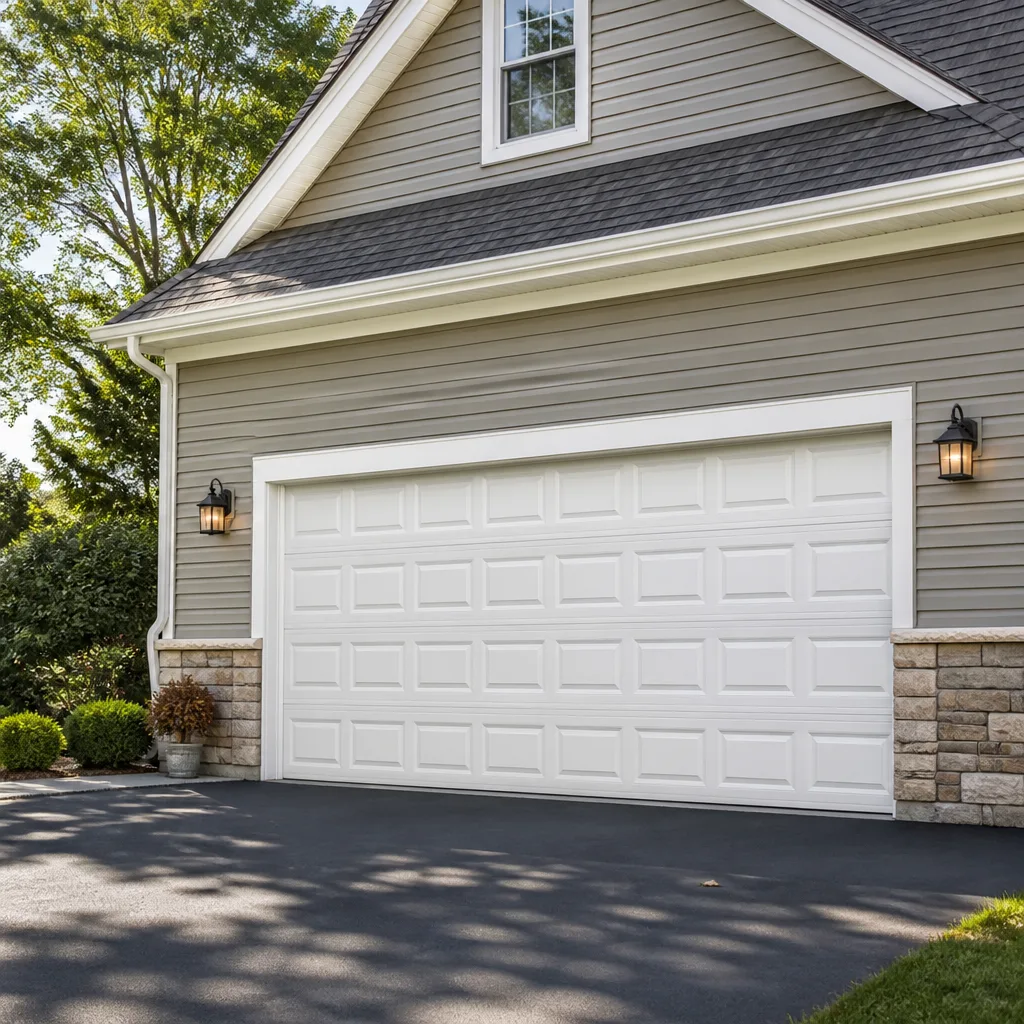 Raised-panel steel
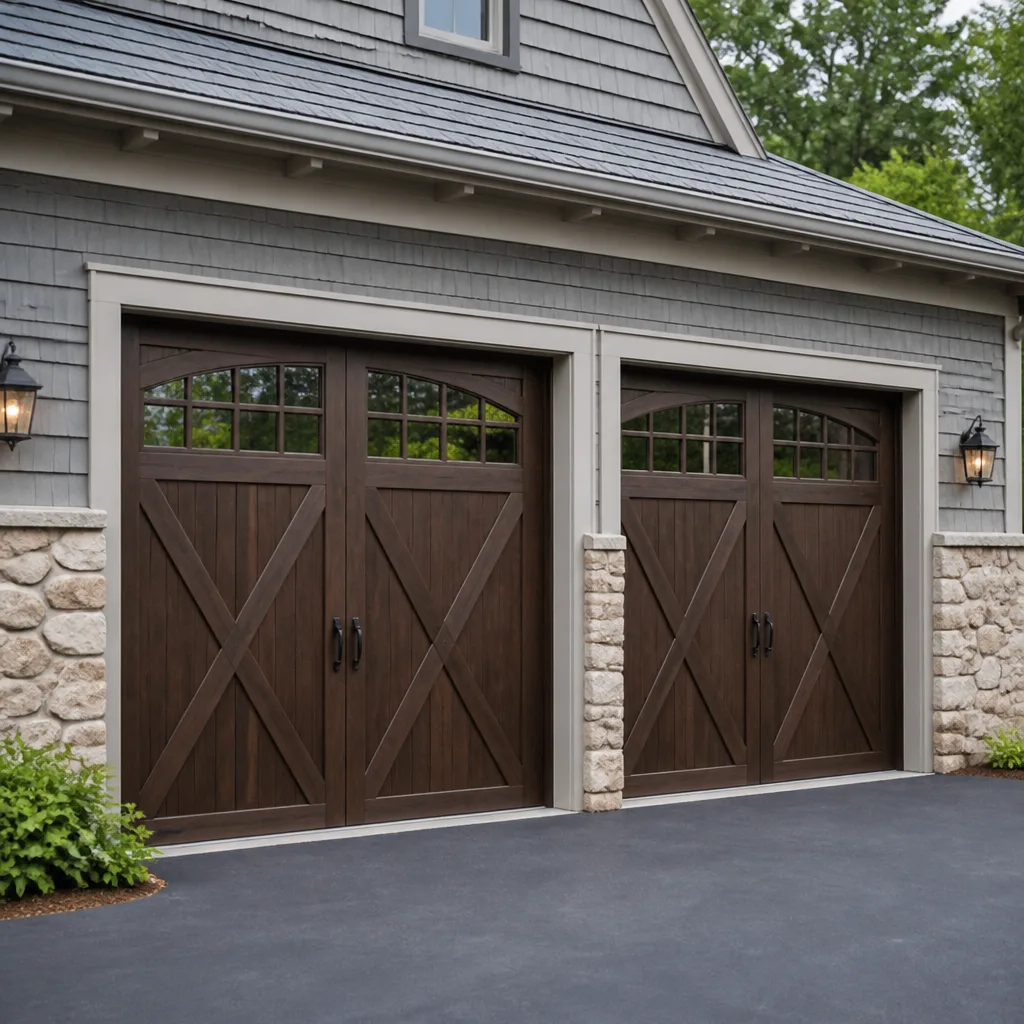 Carriage house
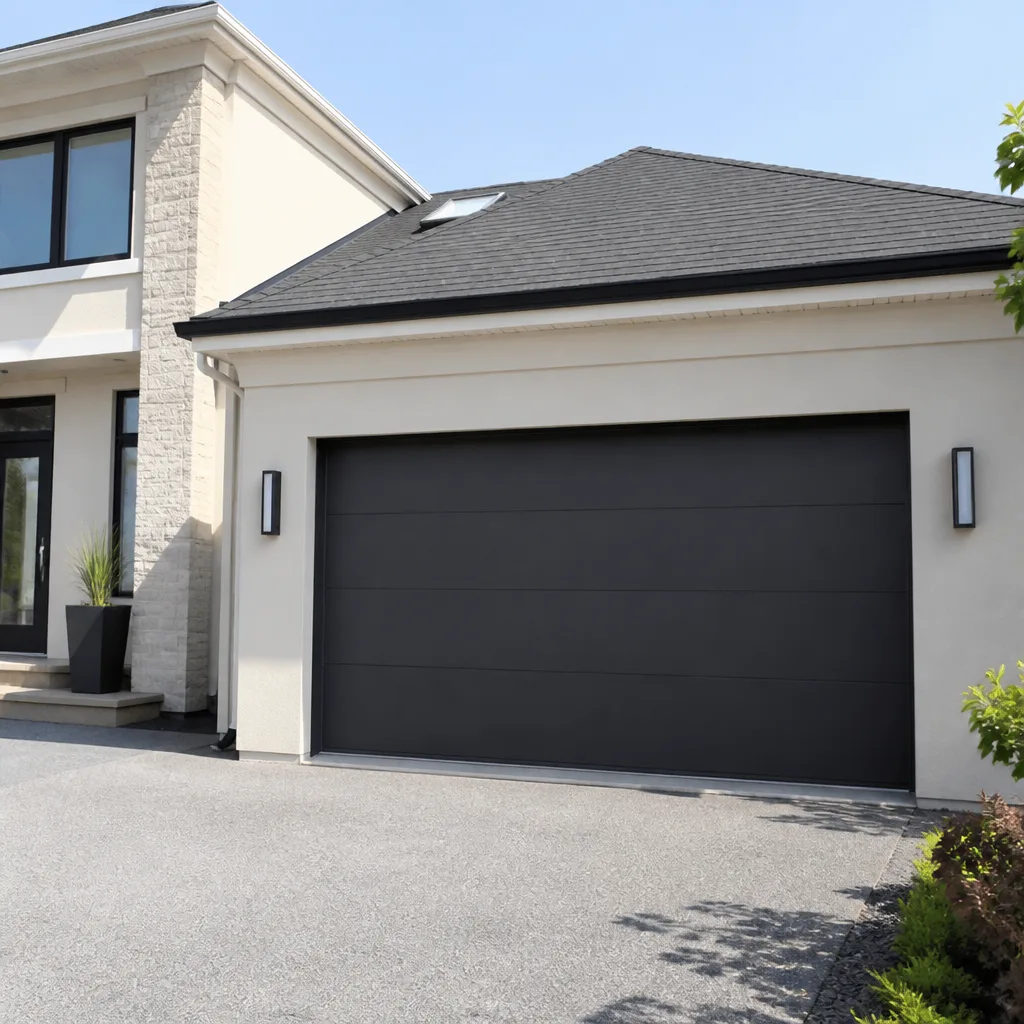 Modern flush
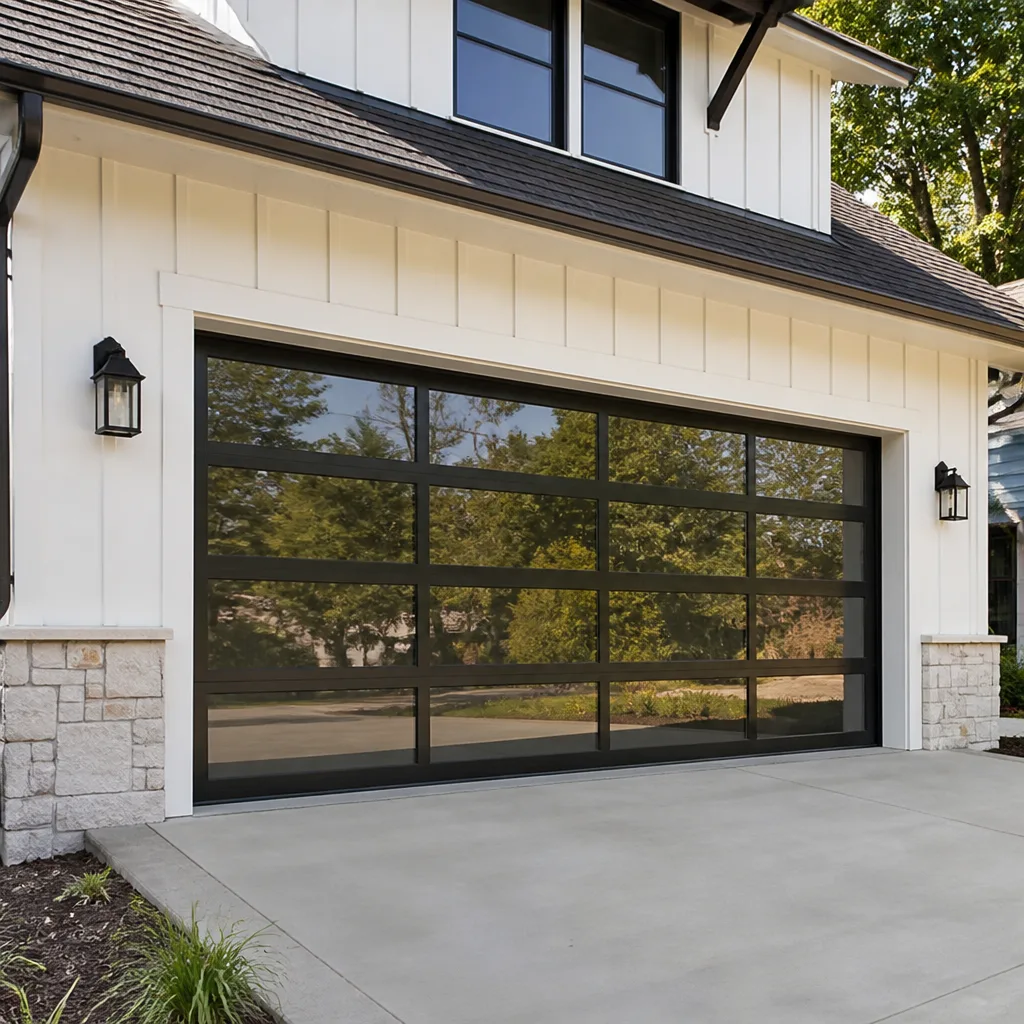 Full-view glass
 LiftMaster openers
 Chamberlain openers
Full 25-point door and opener safety check with every visit - springs, cables, rollers, tracks, and your LiftMaster or Chamberlain opener included
You get a price before we start. It does not change when the truck arrives.
Get your free estimateSeasonal Garage Door Care for Monterey Park: Year-Round Homeowner’s Guide
Most garage door maintenance guides were written for places with real winters. They tell you to lubricate hinges before the first freeze or insulate panels against snow load. That advice is nearly useless in Monterey Park, where the actual threats come from June marine layer humidity, sustained summer heat that bakes metal hardware, and September Santa Ana winds that push past 60 mph through the San Gabriel Valley foothills. This guide walks through what actually stresses your door here, season by season, and what to check before each stress period arrives. You’ll learn when to adjust, when to clean, when to reinforce, and when to call someone who knows your specific opener and panel system.
Styles & brands we work with
- Raised-panel steel
- Carriage house
- Modern flush
- Full-view glass
- LiftMaster openers
- Chamberlain openers
Quick Answer
Seasonal garage door care in Monterey Park means checking four things at the right times: bottom seals and photo-eye alignment in winter, track debris and moisture damage in spring, thermal expansion and lubrication in summer, and wind load and track-clear debris in fall. The most important tasks are wiping tracks dry before Santa Ana season, testing balance before summer heat, and replacing cracked bottom seals before winter rain. Most of this takes under an hour per season, and the highest-value single task is a full balance and lubrication check before July, when sustained heat causes the most binding.
Table of Contents
- Winter (Nov – Feb): Marine Layer Moisture and Low-Visibility Sensor Issues
- Spring (Mar – May): Post-Rain Debris and Floor-Line Moisture
- Summer (Jun – Aug): Thermal Expansion and Heat-Driven Binding
- Fall (Sep – Oct): Santa Ana Wind Load and Debris Prevention
- How to Build a Monterey Park Annual Task Calendar
- Brand-Specific Notes: What We See on LiftMaster, Chamberlain, Clopay, and Genie Systems
- Common Mistakes to Avoid
- When to Call a Professional
- Frequently Asked Questions
- The Bottom Line
Winter (Nov – Feb): Marine Layer Moisture and Low-Visibility Sensor Issues
Monterey Park winters are mild, but the June marine layer isn’t the only fog season. Winter mornings here bring damp, low-hanging air that settles into garage interiors and condenses on metal surfaces. This moisture does two things that most guides miss. It weakens the adhesive bond on weatherstripping along the bottom edge and side jambs, and it fogs or mists the photo-eye safety sensors near the floor, triggering false reversal or no-close behavior during early morning departures.
The bottom seal is the first casualty. A vinyl or rubber bottom seal that has stiffened from summer heat will crack under winter dampness and repeated compression. The failure mode is subtle: small cracks appear along the bottom edge, then widen into gaps that let moisture, dust, and small pests through. In Monterey Park, where winter rains arrive in short but intense bursts, a failed bottom seal means water pools at the floor line inside the garage. That water sits against the bottom panel and accelerates rust on the steel lower panel of older doors.
Here’s what to check in winter:
- Bottom seal condition: Run a hand along the underside of the door at three points: left, middle, right. If you feel cracks, splits, or a flattened profile, plan for replacement before the next rain. A seal should return to shape after compression.
- Photo-eye alignment: With the door open, wipe both sensor lenses with a dry cloth on a foggy morning. If one lens is clouded with condensation or dust, the opener may interpret the blocked beam as an obstacle. Check that the small indicator lights on both sensors are solid, not blinking.
- Track moisture: Look for condensation beading on the vertical and horizontal tracks. Wipe dry surfaces with a clean rag. Persistent moisture invites rust, especially at the point where the horizontal track bends downward toward the floor.
A quick seasonal note: winter in Monterey Park is not a lubrication season for most doors. If anything, excess grease attracts dust during dry January stretches. Save heavy lubrication for spring and summer, when heat actually changes the viscosity of the existing lubricant.
Spring (Mar – May): Post-Rain Debris and Floor-Line Moisture
By March, the short winter rains have done their work on two fronts. The first is debris accumulation inside the tracks. Rain splashes soil, fine silt, and small pebbles onto the lower track surfaces, and as the door cycles, those particles get crushed into the track and onto the rollers. The result is a grinding sound that gets worse each week. The second issue is moisture intrusion at the floor line, where a failing bottom seal has let water in and begun rusting the bottom panel or the inner track flanges.
Clearing track debris properly matters more than people assume. Blowing compressed air into the track only redistributes the grit higher up. The right method for Monterey Park’s fine, dry soil is a two-step wipe: first a dry rag to remove loose material, then a lightly dampened rag with a mild degreaser on the lower six inches of each vertical track. Follow with a dry wipe so no moisture remains. Do not lubricate the track itself. Rollers, hinges, and springs get lubricant; the track should stay clean and dry.
Spring checklist for Monterey Park homes:
- Inspect the bottom seal for cracking or gaps after the last rain. If water has visibly pooled inside the garage floor line, the seal has already failed and replacement should happen before next winter, not the week before.
- Wipe all four track runs with a dry cloth, then a damp one on the lower portions, then dry again.
- Check the bottom panel for bubbling paint, rust streaks, or soft spots that indicate water damage from previous seasons.
- Open and close the door twice while listening for grinding or squealing. A consistent grinding sound at the same point in travel usually indicates a track or roller issue, not a spring issue.
One thing to understand about spring in this area: the moisture that collected in winter is now evaporating, and that humid air rises into the garage. This is the same seasonal shift that causes wooden cabinets to swell and metal toolboxes to sweat. Your garage door’s hinges and springs experience this too. A light application of white lithium grease to the hinge pivot points and a silicone-based lubricant on the torsion spring will keep operations smooth before the heat arrives.
Summer (Jun – Aug): Thermal Expansion and Heat-Driven Binding
Monterey Park summers are hot, and prolonged heat does something predictable to steel and aluminum: it expands them. A standard steel garage panel expands by a few millimeters across its width when the surface temperature climbs past 100 degrees, which happens often from June through August. Aluminum tracks expand slightly as well. When both expand at slightly different rates, the door can start to bind at certain points in its travel, usually in the upper third where the panel transitions into the horizontal track.
This is the season when we get calls about doors that “worked fine until it got hot.” The door opens, then pauses, then jerks, or it strains near the top of the opening. Homeowners often assume the springs have sagged. In most cases the issue is thermal expansion changing the track clearance or the panel-to-track tolerance. The fix is a track adjustment, not a spring tension change. That distinction matters because adjusting spring tension on a door that needs a track adjustment only masks the problem and can cause premature roller wear.
Summer care priorities:
- Balance test: Disconnect the opener (pull the red emergency release cord) and manually lift the door to waist height. It should stay in place without falling or rising. If it drifts downward, the springs may need attention. If it holds but the opener still strains, the issue is more likely track alignment or thermal expansion.
- Lubrication: Summer is the correct season to fully lubricate in Monterey Park. Heat thins whatever lubricant is present, so replenishing now matters. Apply a silicone-based spray to the torsion spring, a white lithium grease to hinge pivot points, and a light machine oil to the roller ball bearings if your rollers are metal. Nylon rollers with sealed bearings need no lubrication.
- Opener motor temperature: Opener motors in hot garages run hotter. If your opener is older and mounted near the ceiling where heat pools, it may trip its thermal overload and refuse to operate for a few minutes. This isn’t always a failure; often it’s a heat soak issue. But if it happens more than occasionally, a diagnostic visit from a garage door opener repair specialist is worth the hour.
For most Monterey Park homes, the right summer order is: clean, balance-test, lubricate, then adjust only what needs adjusting. Avoid the temptation to tighten or loosen anything before the balance test tells you there’s a problem.
Fall (Sep – Oct): Santa Ana Wind Load and Debris Prevention
September through October brings the Santa Ana wind season, and this is when garage doors in Monterey Park face their most unique local stress. Dry, hot winds from the northeast gust through the San Gabriel Valley, often arriving with sudden force. For a garage door, that means intermittent pressure applied to the full face of the door. Single-layer aluminum doors, common on mid-century Monterey Park homes, respond most visibly: they flex, rattle, and transfer that movement into the track assembly and hinges.
The issue is rarely a single gust. It’s the repeated cycling of pressure and release over a multi-day wind event. Each gust pushes the door slightly inward, flexing the panel. When the gust stops, the panel returns to its original shape. Over years, this flex cycle loosens hinge screws, elongates bolt holes, and causes the door to sit slightly crooked in the opening. A door that was perfectly balanced in August can be off by late October simply from wind exposure.
Fall tasks specific to Santa Ana season:
- Check hinge and bracket screws: Use a socket wrench to check every hinge screw where panels connect. If any are loose, tighten by hand. Do not over-tighten into stripped holes. If a screw turns without tightening, the hole is wallowed out and may need a larger-diameter screw or a hinge plate replacement.
- Inspect the top strut or reinforcement channel: Many doors have a horizontal steel strut across the top panel. If yours has one, check that it’s not bowed or separated from the panel. This strut takes the most wind load.
- Clear the track base of leaf litter and twigs: Santa Ana winds blow dry leaves, palm fronds, and small branches into garage door tracks. Even a small twig caught in the lower track can cause the door to derail. Walk the track line and pull out anything that doesn’t belong.
- Consider slide-bolt manual locks during red flag warnings: Many Monterey Park garages have older doors with a manual slide-bolt lock on the inside of the track. Engaging it during high-wind warnings adds lateral stability at the base of the door and reduces panel flex. Just remember to disengage it before using the opener.
This is also the season to check the opener’s force settings. If wind resistance increases the effort needed to open the door, an opener set to its lowest force may reverse thinking it hit an obstacle. This is normal behavior, not a malfunction. But if the door reverses repeatedly on calm days, that’s a different issue and deserves a diagnostic look.
How to Build a Monterey Park Annual Task Calendar
The goal of seasonal care isn’t to do everything every season. It’s to do the right thing before the stressor arrives. Here’s a Monterey Park-specific calendar that front-loads the high-impact tasks.
January – February (Marine Layer, Rain)
- Wipe photo-eye sensors on foggy mornings.
- Inspect bottom seal for cracks and water intrusion.
- Dry track moisture after rain.
March – April (Post-Rain Clean-Up)
- Clear and wipe all four tracks.
- Check bottom panel for rust or bubbling.
- Listen for grinding during operation.
May – June (Pre-Heat Preparation)
- Perform a balance test.
- Lubricate springs, hinges, and roller bearings.
- Check opener force settings.
July – August (Heat Monitoring)
- Watch for binding at the top third of travel.
- Note any opener thermal shutdowns.
- Re-tighten hinge screws if heat has caused any loosening.
September – October (Santa Ana Prep)
- Clear tracks of wind-blown debris.
- Check and tighten all hinge and bracket screws.
- Engage slide-bolt locks during red flag wind events.
November – December (Pre-Winter Seal Check)
- Replace any bottom seal that showed spring cracking.
- Confirm photo-eye alignment before low-light mornings return.
- Check that weatherstripping along the jambs still adheres.
This calendar works because it respects the actual Monterey Park climate rather than importing advice from places with freezing winters. If you do nothing else, do the balance test in May and the hinge screw check in September. Those two tasks prevent the most common service calls we see.
Brand-Specific Notes: What We See on LiftMaster, Chamberlain, Clopay, and Genie Systems
Because Stonegate Garage Door Repair works on eight major brands, our technicians develop a running mental catalog of what fails on which systems and when. Here’s what we see in Monterey Park specifically.
LiftMaster and Chamberlain Openers
Both brands belong to the same parent company and share a similar logic board architecture. The most common seasonal issue is photo-eye sensitivity in low, damp light. LiftMaster sensors use a slightly different beam frequency than older Chamberlain units, so if you have a mixed-brand sensor set after a previous repair, winter fog can trigger false obstruction readings. The fix is usually a sensor realignment or a matched sensor replacement. If your opener is a LiftMaster with a belt drive, listen for a dry belt squeal during cold mornings. A clean, dry belt is normal; a squealing belt wants a specific belt dressing rather than grease.
Chamberlain Legacy Systems
Older Chamberlain chain-drive openers, common in Monterey Park homes built before 2000, run heavy and loud. In summer, the chain expands slightly with heat, which can make the chain sag enough to slap the chain rail. This sounds like a rattle during operation. The fix is a chain tension adjustment, not a replacement. We see this most often in August when garage interiors stay above 90 degrees for hours.
Clopay Steel and Aluminum Panels
Clopay builds several panel profiles with different thermal properties. Their steel insulated panels hold up well to summer heat, but the bottom seal channel on some Clopay models is a friction-fit design that can pop loose after repeated Santa Ana flexing. If you have a Clopay door and notice the bottom seal sagging at one corner, check whether the aluminum retainer has separated from the panel. Re-seating it is a five-minute job; replacing the panel is not.
Genie Openers
Genie openers, especially the screw-drive models, have a distinct operational character. In cool, damp January mornings, a Genie screw drive can sound louder than usual as the lubrication thickens slightly. This is normal and quiets as the motor warms up. But if the noise continues into the afternoon, the screw drive may need re-lubrication. Genie’s carriage assembly also has a plastic bushing that can crack under repeated wind loading if the door is pushed inward during Santa Ana gusts. If your Genie opener operates the door but the carriage makes a clacking sound at the start of travel, have that bushing checked before it fails completely.
Brand familiarity matters because the right seasonal fix differs by system. Knowing that a Chamberlain chain sags in summer heat while a Genie bushing cracks in Santa Ana wind means the difference between a five-dollar adjustment and a full opener replacement. We’d rather make the adjustment.
Common Mistakes to Avoid
- Lubricating the track. The track should stay clean and dry. Lubricant on the track picks up grit and creates a grinding paste that accelerates roller wear. Lubricate the springs, hinges, and roller bearings, never the track itself.
- Ignoring a slow bottom seal failure. A cracked bottom seal in March becomes a water intrusion problem in December. Monterey Park’s winter rains are short but intense, and a failed seal means water sitting against the bottom panel for hours.
- Adjusting spring tension without a balance test. Many summer binding issues are track alignment or thermal expansion problems, not spring failures. Adding tension to a spring that doesn’t need it causes premature wear and can make the door feel heavier in winter.
- Skipping the hinge screw check before Santa Ana season. Loose hinge screws don’t announce themselves until the door starts flexing in wind. By then, the bolt holes may already be elongated. Checking and tightening in September is far cheaper than repairing a split stile in October.
- Wiping sensors with a wet cloth. Moisture on a photo-eye lens adds condensation in foggy conditions. Use a dry microfiber cloth, especially in winter when the marine layer is active.
- Using the wrong lubricant on nylon rollers. Nylon rollers from Clopay and Amarr have sealed bearings that need no lubrication. Spraying them with white lithium grease only attracts dirt and shortens the roller life.
- Over-tightening track bolts to fix binding. Binding is a clearance issue, not usually a looseness issue. Over-tightening track bolts to force alignment can bow the track and make the problem worse.
When to Call a Professional
Some tasks are homeowner maintenance; others are safety-critical adjustments that deserve a trained technician. If your torsion spring has visible gaps in its coils, do not attempt to adjust or replace it. Torsion springs are under constant tension and release a significant amount of stored energy if they fail. The same caution applies to cables that show fraying or kinking. Those cables run alongside the spring system and also carry the spring’s tension. When a cable parts, the door can drop suddenly and cause serious injury.
Call a professional if your door requires a spring adjustment after a balance test, if the track needs re-alignment after Santa Ana flexing, if your opener repeatedly reverses without cause, or if you see rust on the spring or cable hardware. These are not projects to troubleshoot from a YouTube video. If you’re in Monterey Park, garage door repair is what we handle every day. Garage door opener repair falls under the same roof. Stonegate Garage Door Repair offers free estimates in Monterey Park. Call (844) 972-4229 and we’ll let you know what needs doing and what can wait.
Frequently Asked Questions
We recommend a full inspection and lubrication twice a year: once in May before summer heat, and once in September before Santa Ana wind season. That cadence matches the two stress periods that cause the most wear on doors in Monterey Park. Between inspections, do the simple seasonal checks described in this guide.
Summer binding from thermal expansion is the most common seasonal call we receive. Steel panels and aluminum tracks expand at different rates in sustained heat, and the door starts to bind near the top of its travel. The fix is usually a track clearance adjustment rather than a spring change. Call (844) 972-4229 for an exact diagnosis; estimates are free.
Yes, if you use the right lubricant in the right places. Use a silicone-based spray on the torsion spring, white lithium grease on hinge pivot points, and machine oil only on metal rollers with exposed ball bearings. Never lubricate the track. If you have nylon rollers or are unsure what type of spring you have, ask before applying anything.
They do, but the damage is cumulative rather than sudden. Repeated flexing from wind gusts loosens hinge screws, elongates bolt holes, and causes the door to sit slightly out of square. A single wind event rarely breaks a door; a decade of wind events does. The countermeasure is simple: check hinge screws every September and engage manual slide-bolt locks during red flag warnings.
This pattern usually points to thermal overload in the opener motor. When the garage heats up in the afternoon, the motor’s thermal protection trips and the opener refuses to run until it cools. This is more common in ceiling-mounted openers in garages that face west. If it happens repeatedly, the motor may be drawing too much current due to binding or wear, and a diagnostic check is worth the call.
If the seal shows visible cracks, splits, or has flattened to the point that you can see daylight underneath the closed door, replace it before the winter rains begin. Monterey Park’s winter rain may be brief, but it pools quickly at the floor line when the seal has failed. A new bottom seal is inexpensive compared to repairing rust on the bottom panel it protects.
The Bottom Line
Seasonal garage door care in Monterey Park is about timing the right task to the right stressor. Marine layer moisture in winter means photo-eye and seal checks. Post-rain debris in spring means track cleaning and rust inspection. Summer heat means balance testing and lubrication before binding starts. Santa Ana wind in fall means hinge screw checks and track clearing. Each season has a specific job, and front-loading those jobs prevents most of the failures we’re called out to fix. If you live in Monterey Park, this calendar was written for your climate, your housing stock, and the brands most likely already hanging in your garage.
For a free estimate or a seasonal check-up, call (844) 972-4229. We answer 24/7. Fast dispatch from 7am to 7pm, Sunday through Friday. We’ll inspect, explain what we see in plain language, and give you a written price before any work starts.
Written by the team at Stonegate Garage Door Repair, serving Monterey Park since 2012.
See the difference
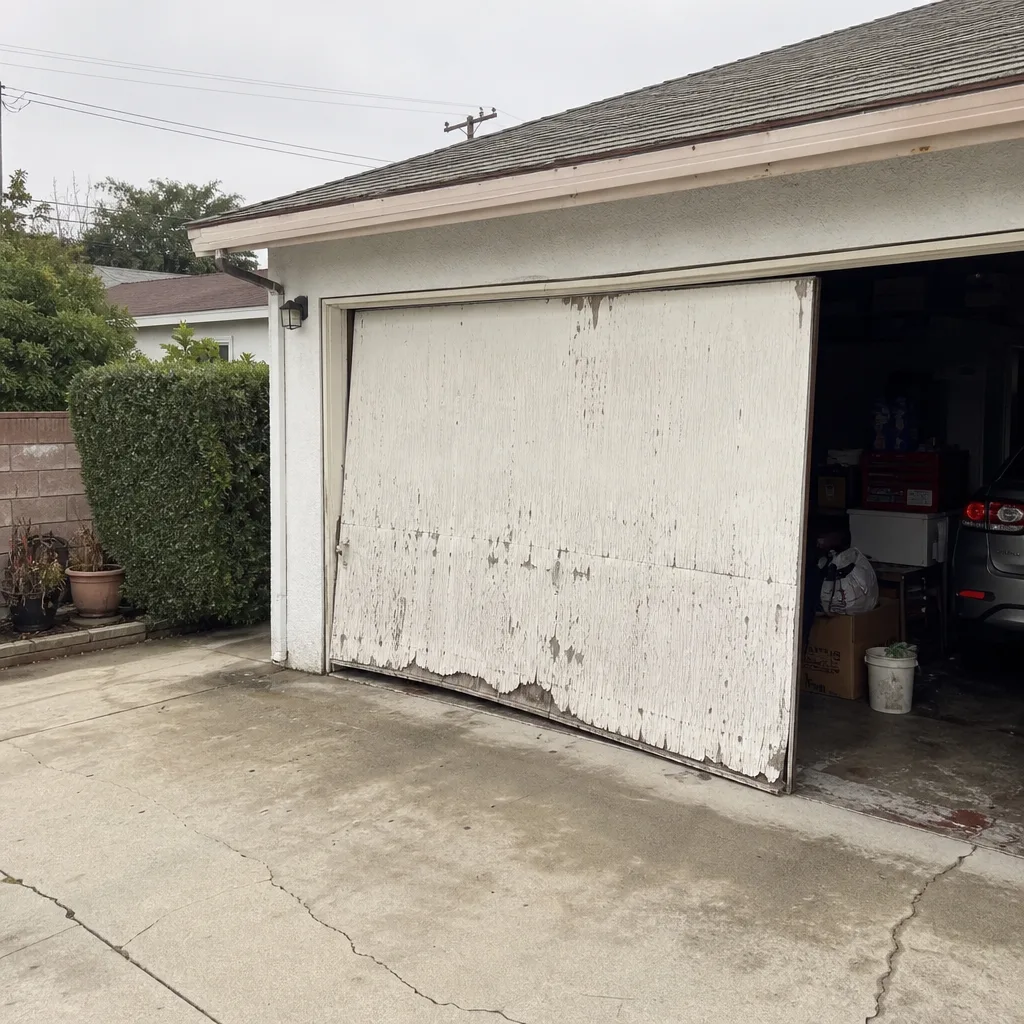 Before
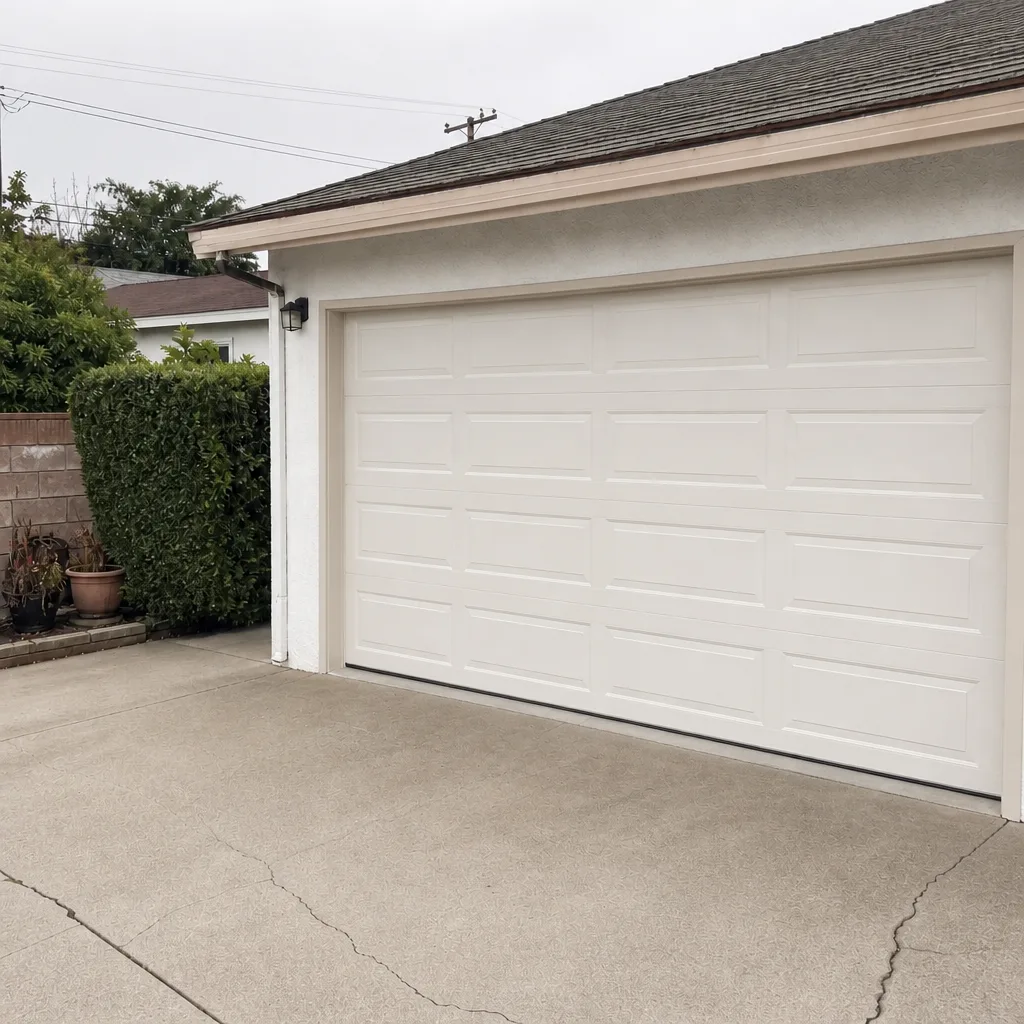 After
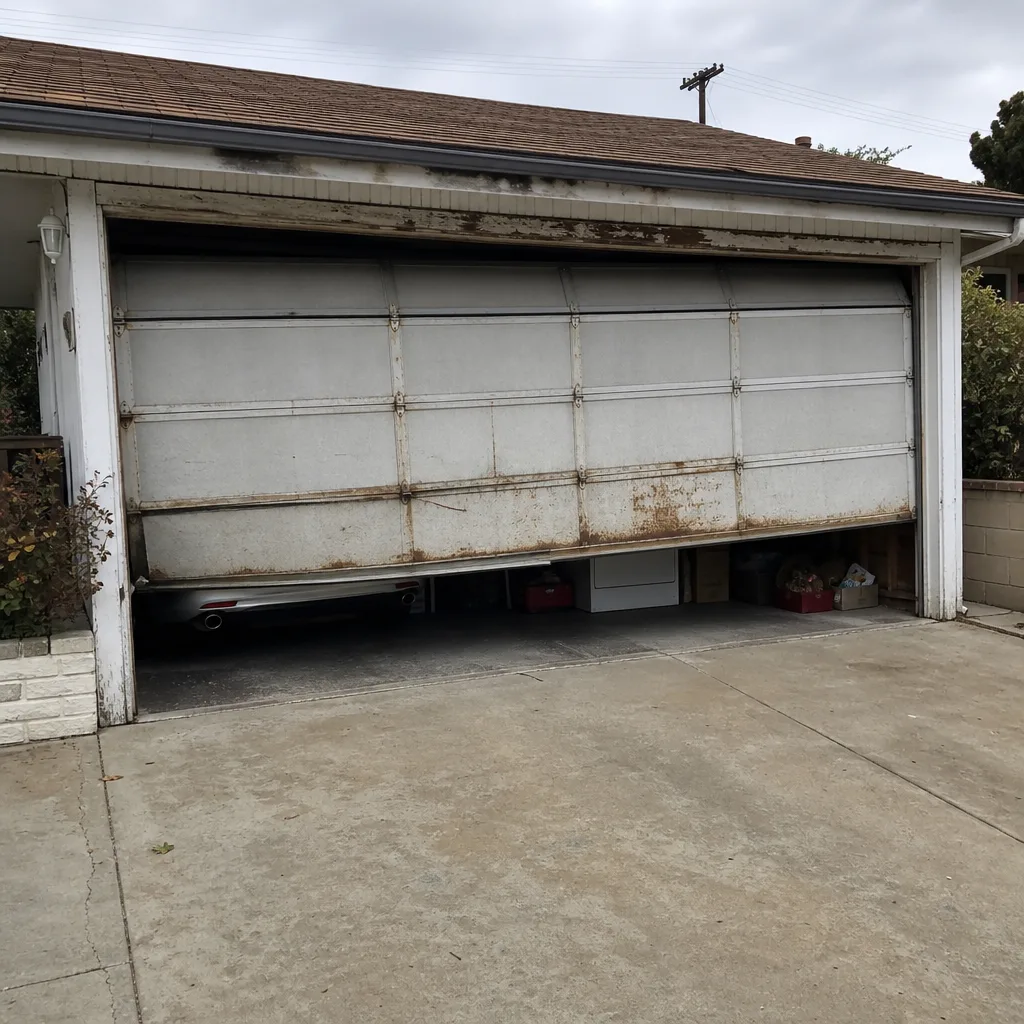 Before
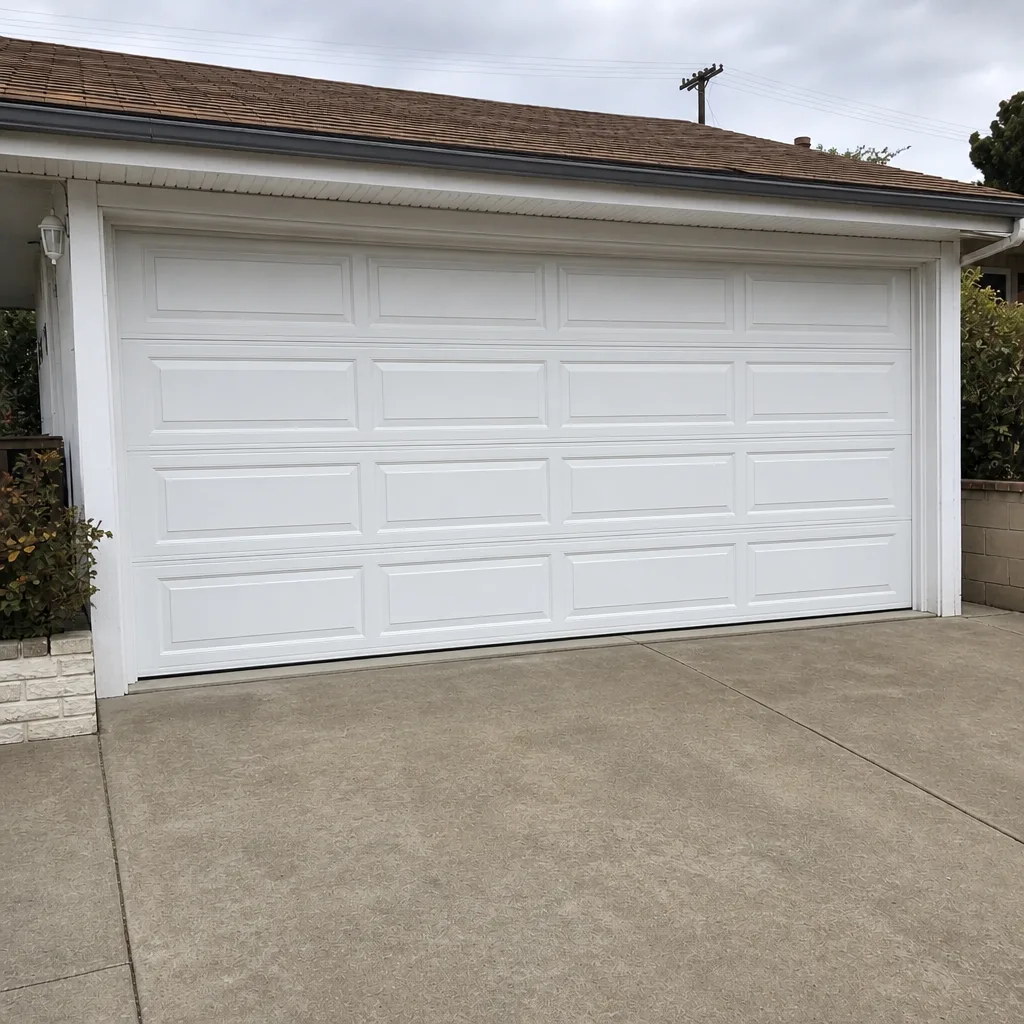 After
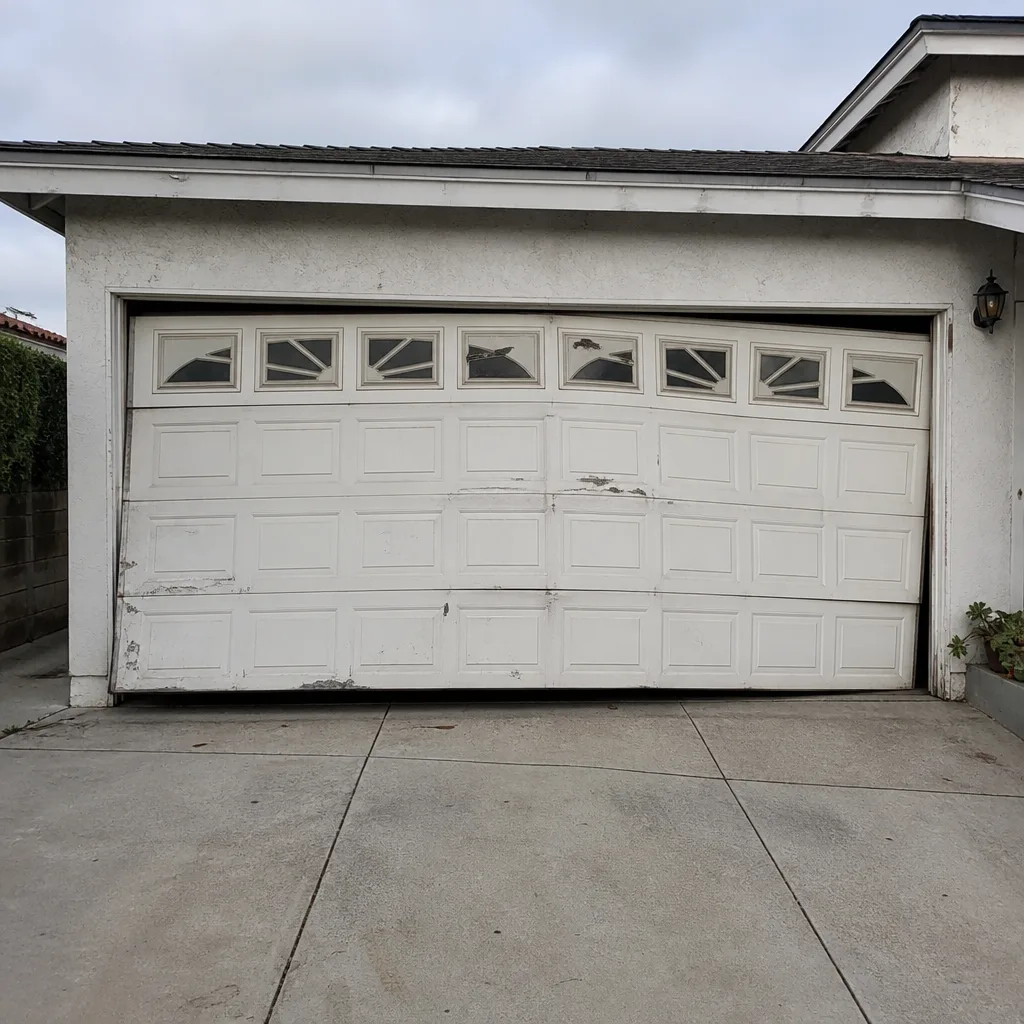 Before
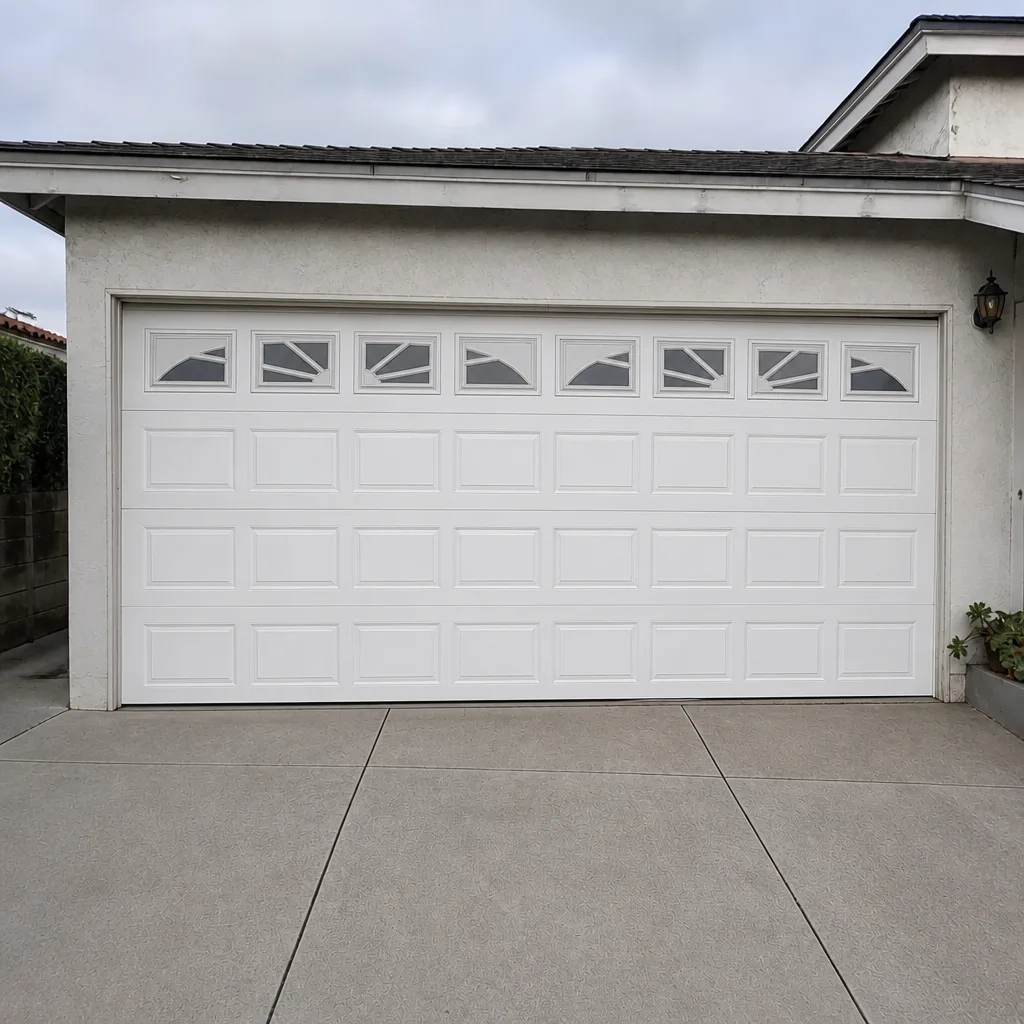 After