
Last updated November 4, 2026
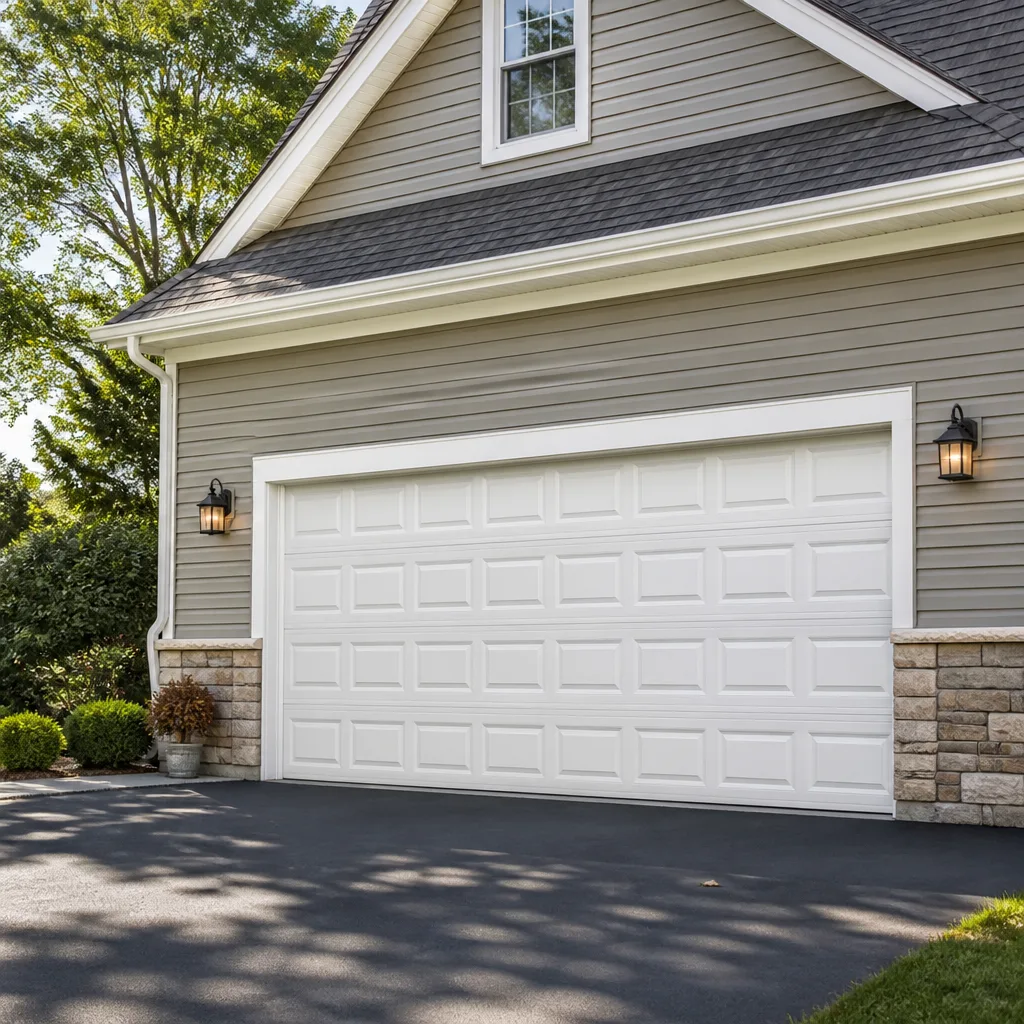 Raised-panel steel
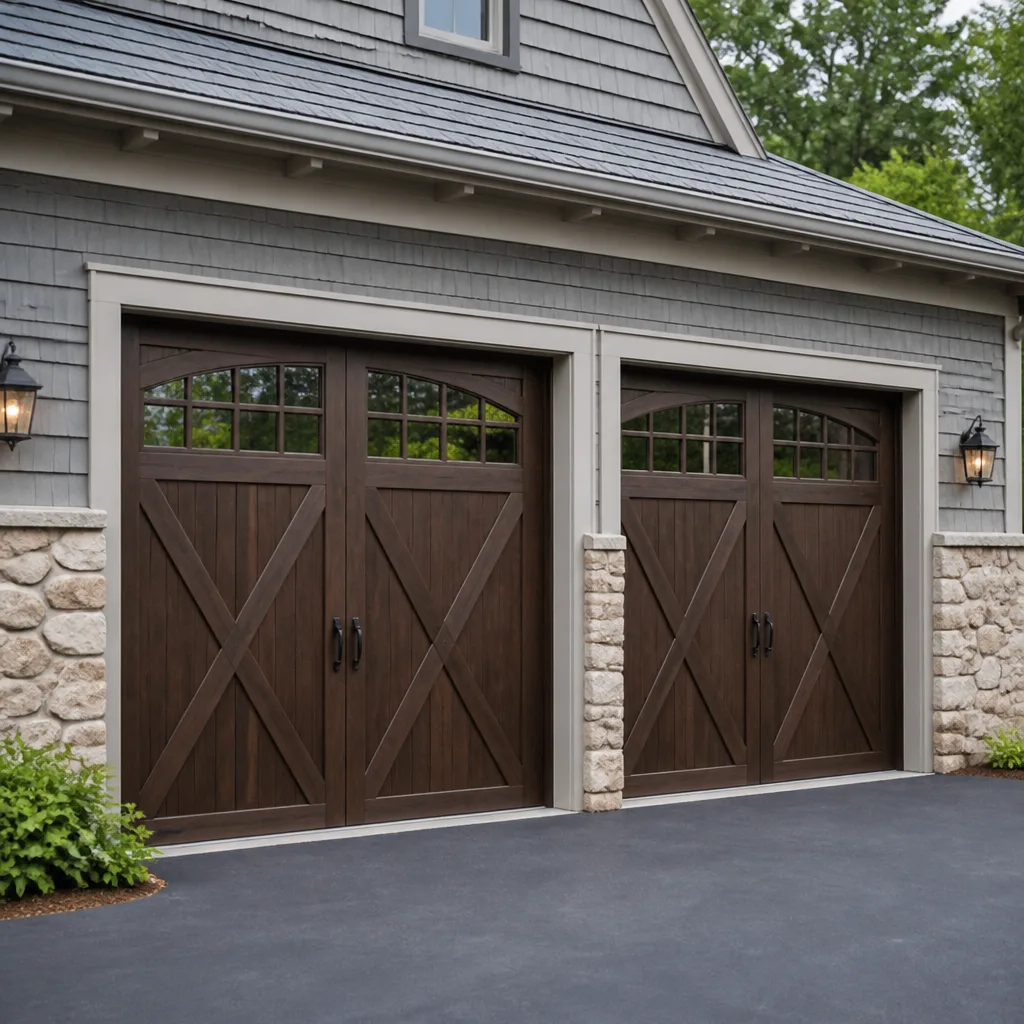 Carriage house
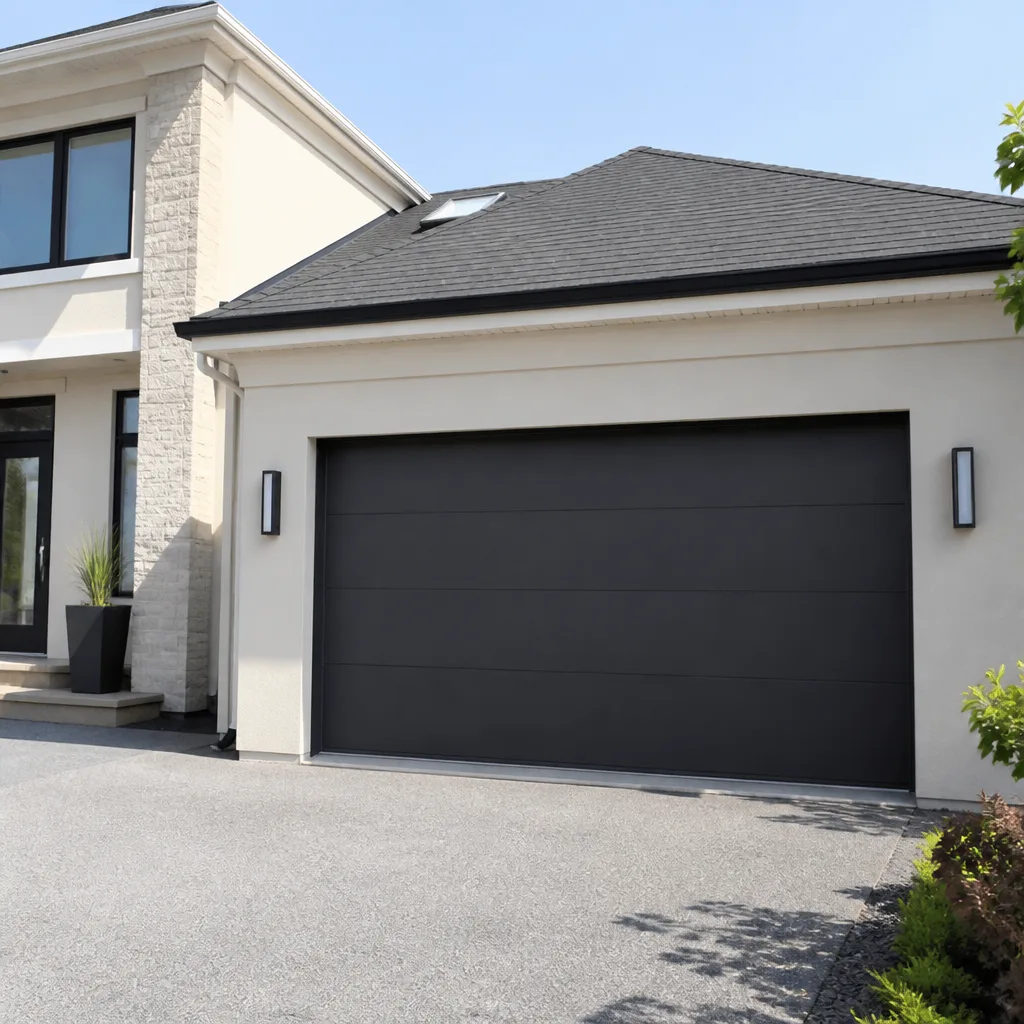 Modern flush
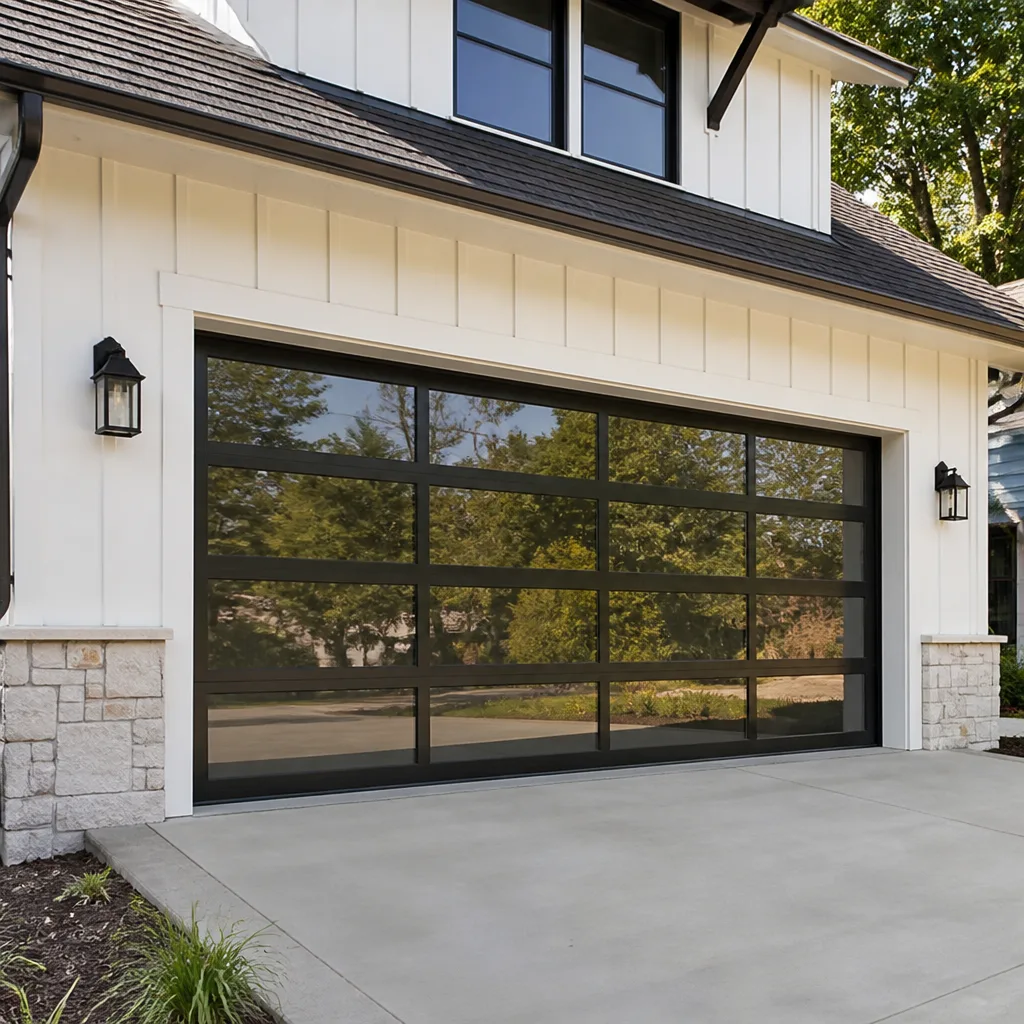 Full-view glass
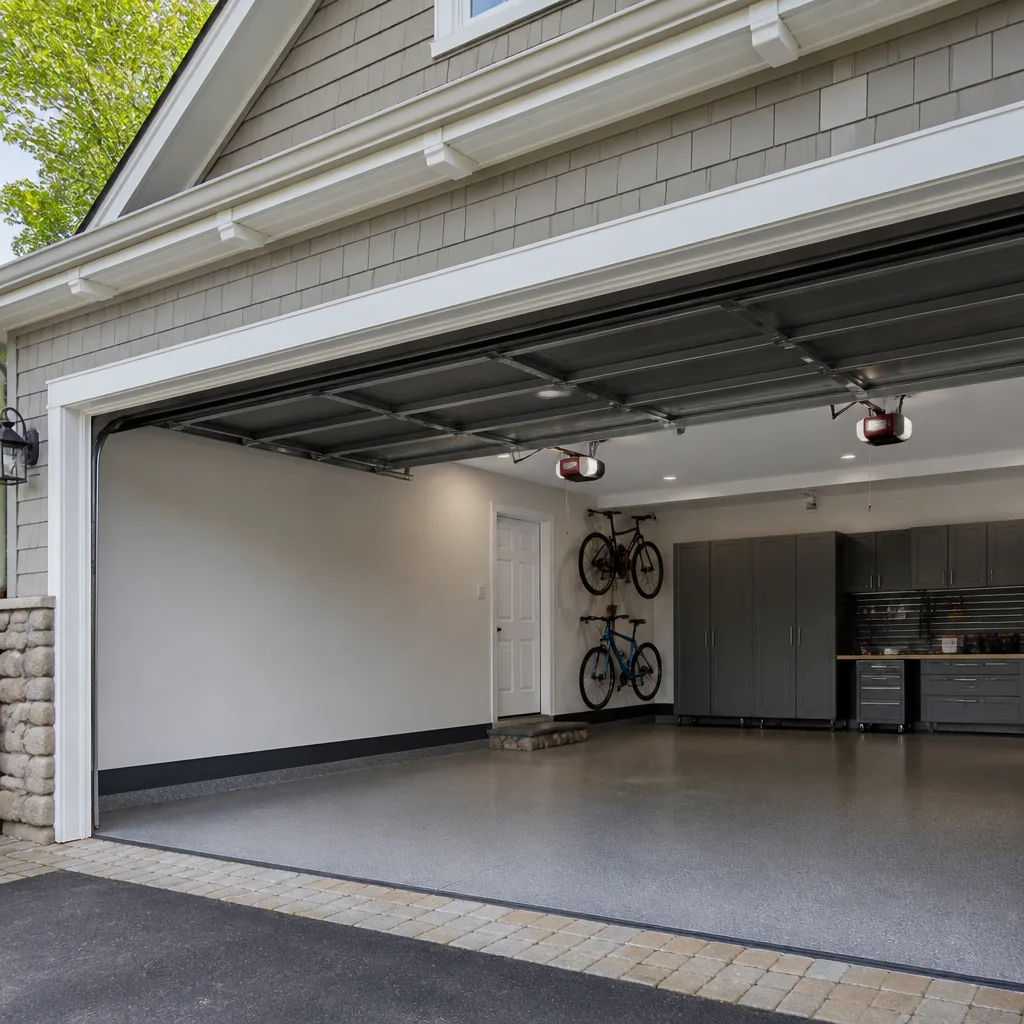 LiftMaster openers
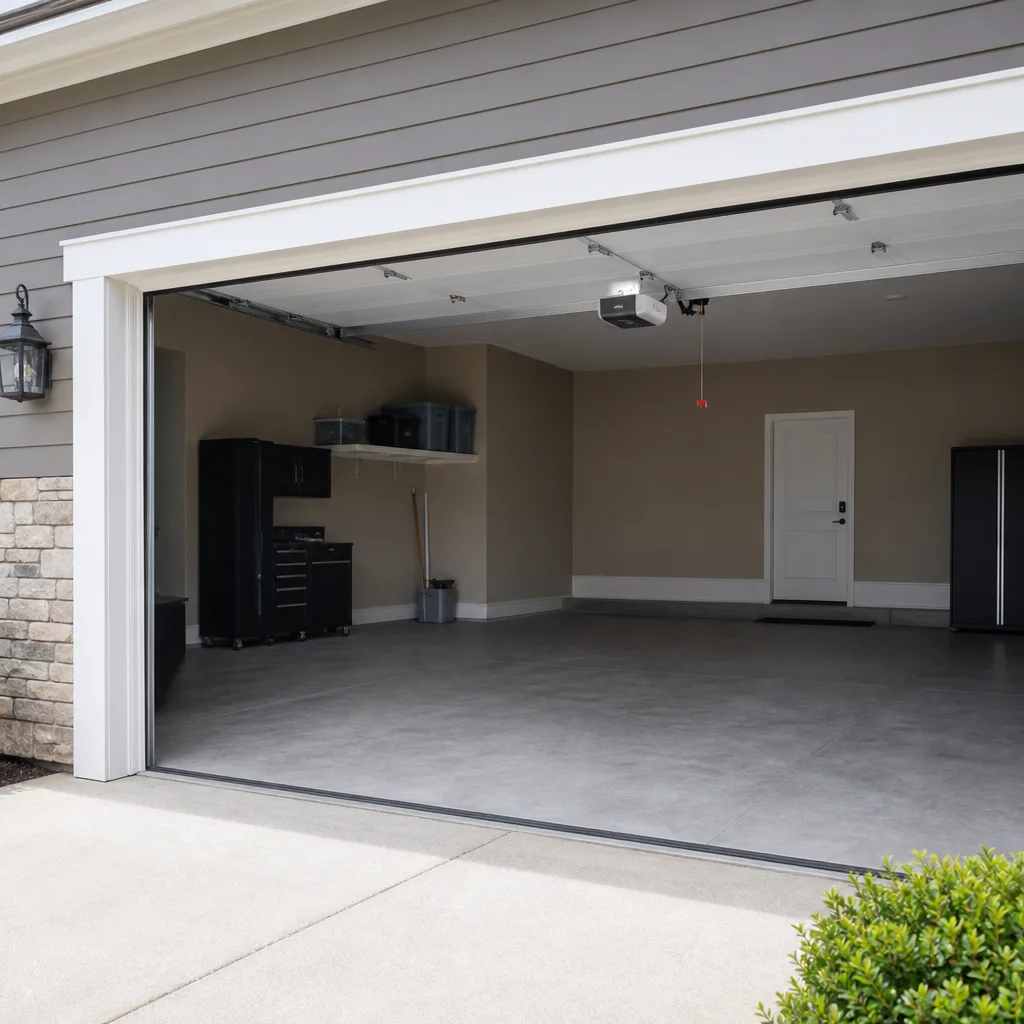 Chamberlain openers
Full 25-point door and opener safety check with every visit - springs, cables, rollers, tracks, and your LiftMaster or Chamberlain opener included
You get a price before we start. It does not change when the truck arrives.
Get your free estimateDIY vs Professional Garage Door: The Monterey Park Homeowner’s Decision Guide
Torsion springs store roughly 100 foot-pounds of torque during a standard garage door cycle. That figure is not meant to scare you away from your own garage. It is a physics constraint that draws the line between what a Monterey Park homeowner can safely handle and what belongs in the hands of someone who does this every day. Most guides on this topic treat DIY garage door work as a single decision, as if changing a remote battery and swapping a torsion spring were the same category of task. They are not. One is maintenance. The other is stored-energy work. This guide gives you a clear, defensible line between the two, so you can keep your door running without finding out the hard way where the danger sits.
Styles & brands we work with
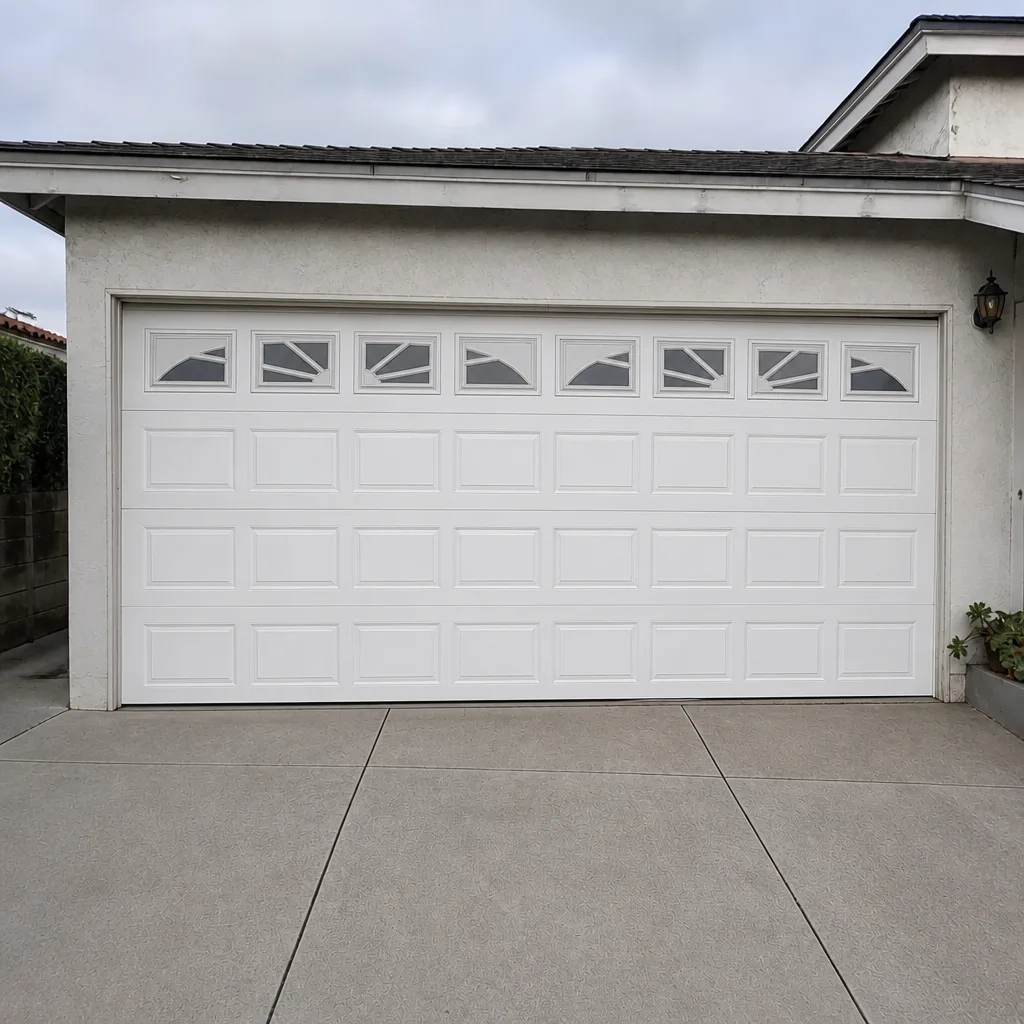
- Raised-panel steel
- Carriage house
- Modern flush
- Full-view glass
- LiftMaster openers
- Chamberlain openers
Quick Answer
DIY garage door work in Monterey Park splits cleanly into two categories. Lubrication, photo-eye realignment, weatherstripping, track cleaning, and remote reprogramming are safe, worthwhile tasks most homeowners can finish in under an hour. Torsion spring adjustment or replacement, cable replacement under tension, and bottom bracket removal are not DIY tasks under any circumstances, because the stored mechanical energy in the spring can cause serious injury or death if a tool slips.
Table of Contents
- The Physics That Draws the Line
- The Definitive No-DIY List
- The Confident DIY List
- How to Assess Your Specific Door
- The Cost Math of Partial DIY
- What to Tell a Technician If You Already Tried
- Common Mistakes to Avoid
- When to Call a Professional
- Frequently Asked Questions
The Physics That Draws the Line
A garage door looks simple from the outside. A panel moves up and down on tracks. What most homeowners in Monterey Park never see is the counterbalance system doing the actual work. The door itself can weigh 150 to 300 pounds or more. The springs, not the opener motor, carry that weight. The opener only supplies the small push that starts and guides the motion.
Think of it this way. When you lift a garage door by hand, you are not lifting 200 pounds. You are lifting maybe 20 or 30 pounds, because the spring is doing the rest. That spring is wound tightly. A standard residential torsion spring holds enough stored energy to move a heavy door through its full cycle many times a day. If that spring breaks while someone is standing underneath it with a winding bar, the released energy goes somewhere. It goes through the tool, through the bracket, or through whatever is in the way.
This is not a skill problem. A very capable Monterey Park homeowner can watch ten videos and understand exactly how a torsion spring system works. The issue is that the tools used to wind and unwind these springs are long steel bars, and the spring itself is under enormous rotational force. A slip is not a small mistake. It is a catastrophic release of energy. That distinction, stored energy versus manual effort, is the cleanest way to decide what you should touch and what you should not.
The Definitive No-DIY List
These items are not on the no-DIY list because they are complicated. They are on the list because the mechanical energy involved makes tool slippage life-threatening. Leave these to a professional.
Torsion spring adjustment or replacement
Torsion springs sit on a metal shaft above the closed door. They are wound and unwound with two winding bars inserted into a cone at the end of the spring. When you turn that cone, you are adding or releasing stored force. If a winding bar slips out of the cone while the spring is under load, the bar becomes a projectile. The same applies if the cone itself fails. This is the single most dangerous residential repair in the garage door trade. No amount of careful YouTube study changes the physics.
Cable replacement under tension
The lift cables run along each side of the door and connect the bottom bracket to the spring system. When the door is open, these cables carry the full weight of the door. If a cable snaps while you are working near it, the door can drop unexpectedly. If you remove a cable from a bottom bracket without first unwinding the spring, the tension releases all at once. The cable itself can whip.
Bottom bracket removal
The bottom brackets hold the lift cables and the bottom roller. Removing them requires releasing cable tension first. Doing this in the wrong order, or without the right tools, is how a door falls or a cable snaps under load. A falling garage door weighs hundreds of pounds. The bracket itself is also a pinch point for fingers.
The rule we apply on every call in Monterey Park
If the task involves unwinding a spring, releasing cable tension, or removing a bracket that holds tension, it is a professional job. We have seen doors in every condition around Monterey Park, and the failures that begin as a YouTube-assisted Sunday attempt usually cost more to fix than the original issue would have. The safest sequence for these repairs is to have garage door repair handled by someone who does this daily.
The Confident DIY List
These tasks require no spring work, no cable release, and no lifting of the full door weight. They are maintenance and adjustment, not structural repair. A Monterey Park homeowner can do these safely with basic tools.
Photo-eye realignment
The photo-eye sensors sit near the floor on each side of the door opening. If the door reverses as soon as you press the button, or the opener light flashes, the sensors are likely misaligned. Loosen the wing nut on the sensor bracket, point both sensors at each other until the indicator lights come on steady, then tighten the nut. Replacing a damaged sensor is a bigger job, but realigning an existing one is straightforward.
Manual lock adjustment
If your door has a handle lock and the lock bar no longer seats cleanly into the track, the handle assembly has probably shifted. Loosen the two screws holding the handle, reposition it so the lock bar aligns with the slot, and retighten. This is a simple fix that prevents the lock bar from bending.
Weatherstripping replacement
The rubber strip along the bottom of the door wears out from contact with the Monterey Park driveway surface. Slide the old strip out of the retainer channel and slide the new one in. The side weatherstrip slides into the outer track frame. No tools beyond a utility knife and maybe a flathead screwdriver are needed.
Track cleaning
Dust and grit from the air settle in the tracks. Wipe them down with a dry cloth or a mild cleaner on a rag. Do not lubricate the tracks. Grease in the tracks attracts more grit and creates a buildup that causes roller drag. The tracks are a guide surface, not a lubricated surface.
Hinge and roller lubrication
Use a garage-door-specific spray lubricant or a white lithium spray on the hinges, the roller bearings, and the spring coils. Spray the moving metal parts, not the tracks, and wipe off the excess. Doing this twice a year extends the life of the hardware.
Remote reprogramming
If a remote stops working and the battery is fresh, follow the opener manual to clear and reprogram the remote code. Modern openers use rolling codes that require a specific button sequence, usually involving the “learn” button on the opener motor unit. This is safe and takes minutes.
Our own rule for DIY judgment
In our experience, the line is simple. If the task involves removing or adjusting something that holds the door’s weight, it is not DIY. If it involves cleaning, tightening, or realigning something that sits adjacent to the moving parts, it usually is.
How to Assess Your Specific Door
Before you decide between DIY and professional, know what you are dealing with. Not every Monterey Park garage door has the same risk profile.
Doors over 300 pounds
A standard single-car residential door weighs between 130 and 180 pounds. A double-wide door can weigh 250 to 300 pounds or more, depending on the material, insulation, and hardware. Heavier doors store more energy in the springs. If you have a heavy double door, be more cautious about any task that touches the balance system. A door that heavy dropping an inch is a pinch hazard, and dropping fully is a crush hazard.
High-tension extension springs
Older Monterey Park homes often have extension springs instead of torsion springs. Extension springs run parallel to the horizontal tracks, one on each side. They stretch when the door closes. The risk with extension springs is that they are under full tension when the door is open. If one breaks, the loose end can snap back toward the front wall. These systems also usually lack a safety cable, which is a metal cable running through the center of the spring to contain it if it breaks. If your extension spring does not have a safety cable running through it, treat the spring area as off-limits and call a professional.
Cracked lift cables
Look at the cables running alongside the door. If you see frayed strands, a flattened section, or a visible kink, that cable is near failure. A cable with visible damage is a red flag, not a small issue. Do not try to adjust or replace it yourself. The cable is under tension, and a suddenly released cable can cut.
A quick assessment checklist
- Lift the door manually to waist height and let go. It should stay in place. If it drops or rises, the spring balance is off and needs professional attention.
- Look at the spring type. Torsion springs are above the closed door on a bar. Extension springs are on the sides.
- Check for a safety cable inside the extension springs. If missing, keep clear of the spring path.
- Inspect the lift cables for fraying or flattening.
- Note the door weight. If it is a double door with insulation, assume it is heavy.
The Cost Math of Partial DIY
The hybrid model is not a compromise. It is the most sensible financial arrangement for most Monterey Park homeowners. You do the low-risk seasonal maintenance yourself and call a professional for the spring, cable, and bracket work.
What DIY maintenance actually saves
Lubrication, sensor alignment, and weatherstripping are not high-dollar professional services, but they add up when you call someone out for each one. A service visit involves travel time, diagnostics, and labor. Doing these yourself twice a year removes that cost entirely and keeps small issues from becoming big repairs.
What professional work actually costs to skip
Spring replacement is not a place to save money. The professional cost covers not just the spring but the diagnosis of why it failed, the correct spring size and cycle rating, and the safe handling of the old and new springs under tension. A mistake during a DIY spring attempt can damage the door, the opener, the tracks, or you. The resulting repair bill from that kind of damage will exceed what the original spring replacement would have cost.
The realistic annual split
- Homeowner: Lubricate hinges, rollers, and springs every six months. Clean the tracks. Realign sensors when needed.
- Homeowner: Replace weatherstripping when it cracks or pulls loose.
- Professional: Inspect and replace torsion springs when they break or show signs of wear.
- Professional: Replace frayed lift cables and bottom brackets.
- Professional: Diagnose any issue where the door does not balance, reverse properly, or operate smoothly after basic maintenance.
This split keeps your annual garage door spending at the maintenance-and-major-repair level, not the five-years-of-neglect-then-everything-fails level. It also means the professional who arrives is fixing a specific problem, not doing a full-system cleanup that you could have handled yourself.
What to Tell a Technician If You Already Tried
Full disclosure is not embarrassing. It is the fastest way to a correct diagnosis. If you attempted a repair before calling, tell the technician exactly what you did, in order.
- State what you tried: “I lubricated the hinges” or “I changed the remote battery” or “I loosened the sensor bracket.”
- State what you used: the type of lubricant, the tools, the parts you bought. Some spray lubricants damage nylon rollers, and some replacement parts are mislabeled online.
- State what changed after your attempt: the door got louder, the opener now reverses, the door drops a few inches, nothing changed.
- State whether anything snapped, slipped, or made an unusual sound while you were working. This is critical if the door involved spring or cable tension.
This protects you in two ways. First, it prevents misdiagnosis. A technician who knows you replaced a sensor will not waste time testing the sensor’s wiring. Second, it protects any remaining warranty on the opener or door components. If a manufacturer sees signs of a failed repair that was not disclosed, a warranty claim can be denied. If the technician knows what happened, they can document it correctly.
Common Mistakes to Avoid
- Using WD-40 on springs and rollers. WD-40 is a solvent and a light lube, not a long-term garage door lubricant. It also attracts dust when used on moving metal parts. Use a garage-door-specific spray or white lithium grease.
- Lubricating the tracks. The tracks are not designed to be lubricated. Grease in the tracks catches dirt and creates a paste that makes the rollers stick. Keep tracks clean and dry.
- Ignoring a noisy spring. A spring that creaks or pops is announcing wear. The noise is not the problem; the wear is. Lubrication can quiet it temporarily, but a worn spring will fail eventually, and it will fail while the door is down or partway up.
- Replacing one spring instead of the pair. When torsion springs are installed in a pair and one breaks, the other is usually near the end of its cycle life. Replacing only the broken spring means the older spring will likely fail soon, and the door balance will be uneven until it does. A matched pair is the standard professional approach.
- Tightening hardware without checking the balance. A door that shakes or rattles may have loose bolts, but it may also be off-balance. Tightening the hardware masks the symptom without fixing the underlying spring issue. If the door rocks side to side as it moves, check the balance first.
- Using the wrong replacement remote. Garage door openers use specific frequencies and rolling-code protocols. A universal remote that is not compatible with your opener will not work, and forcing a wrong remote can cause interference with other nearby openers in Monterey Park neighborhoods where homes sit close together.
- Disconnecting the opener from the door without locking the door. If you pull the release cord to disconnect the opener, the door is now manually operated and will not be held in place by the opener. If the door is off-balance, it can drop. If you disconnect the opener, know where the door will go if it moves.
When to Call a Professional
Call a professional when the door will not open, when the spring is broken, when the cables are frayed, when the door falls when released manually, or when the opener runs but the door does not move. Call a professional if your door is over 300 pounds, if you have extension springs without safety cables, or if you have already attempted a repair and the door is now behaving worse. Call a professional if you are simply not sure which part is failing. Stonegate Garage Door Repair offers free estimates in Monterey Park. Call (844) 972-4229. We answer 24/7. Fast dispatch from 7am to 7pm, Sunday through Friday. The price is quoted and agreed before any work starts, so there are no surprises after the fact.
We work on the full door system, which means one call covers the mechanical door and the motorized opener. Our technicians know the equipment from eight major brands, including Genie, Clopay, Amarr, and Wayne Dalton, so we arrive already familiar with the hardware on your Monterey Park home. You will not be paying for a learning curve.
Frequently Asked Questions
You can safely do photo-eye realignment, manual lock adjustment, weatherstripping replacement, track cleaning, hinge and roller lubrication, and remote reprogramming. These tasks involve no spring winding, no cable release, and no lifting of the full door weight.
Torsion springs hold roughly 100 foot-pounds of torque during a standard cycle, and the winding bars used to adjust them can become projectiles if they slip while the spring is under load. The danger is not the complexity of the task but the stored energy. A slip can be fatal.
Look for these signs: the door is difficult to lift manually, the door drops when released at waist height, the door opens only partway then stops, or you hear a loud bang from the garage. A visible gap in the spring coil also means the spring is broken.
A noisy door can mean dry hardware, a worn spring, loose bolts, or rollers that are breaking down. Start with lubrication and tightening. If the noise persists, especially a popping or creaking from the spring area, call a professional before the spring fails completely.
Attempting a repair before calling is only a problem if you do not disclose it. Tell the technician what you tried, in what order, and whether anything snapped or slipped. Full disclosure prevents misdiagnosis and protects your warranty.
Yes. We work on the full door system, including older extension-spring doors and legacy openers. We know the equipment from Genie, Clopay, Amarr, Wayne Dalton, and other major brands, so we can diagnose older systems without guessing. Call (844) 972-4229 for a free estimate. We answer 24/7. Fast dispatch from 7am to 7pm, Sunday through Friday.
The Bottom Line
The DIY-versus-professional decision for garage doors is not about your skill level. It is about the energy stored in the system. Lubrication, sensor alignment, weatherstripping, and track cleaning are safe, useful homeowner tasks. Torsion springs, lift cables, and bottom brackets are not. The hybrid model, where you handle the seasonal maintenance and call a professional for anything under tension, is the most cost-effective and safest arrangement for most Monterey Park homeowners. Know your door’s weight, spring type, and cable condition. Tell any technician you call exactly what you have already tried. The line is clean, and once you know where it is, the rest of the system opens up for confident self-maintenance.
Written by the team at Stonegate Garage Door Repair, serving Monterey Park since 2012. We specialize in full-system garage door service, including garage door opener repair, for homeowners across the area.
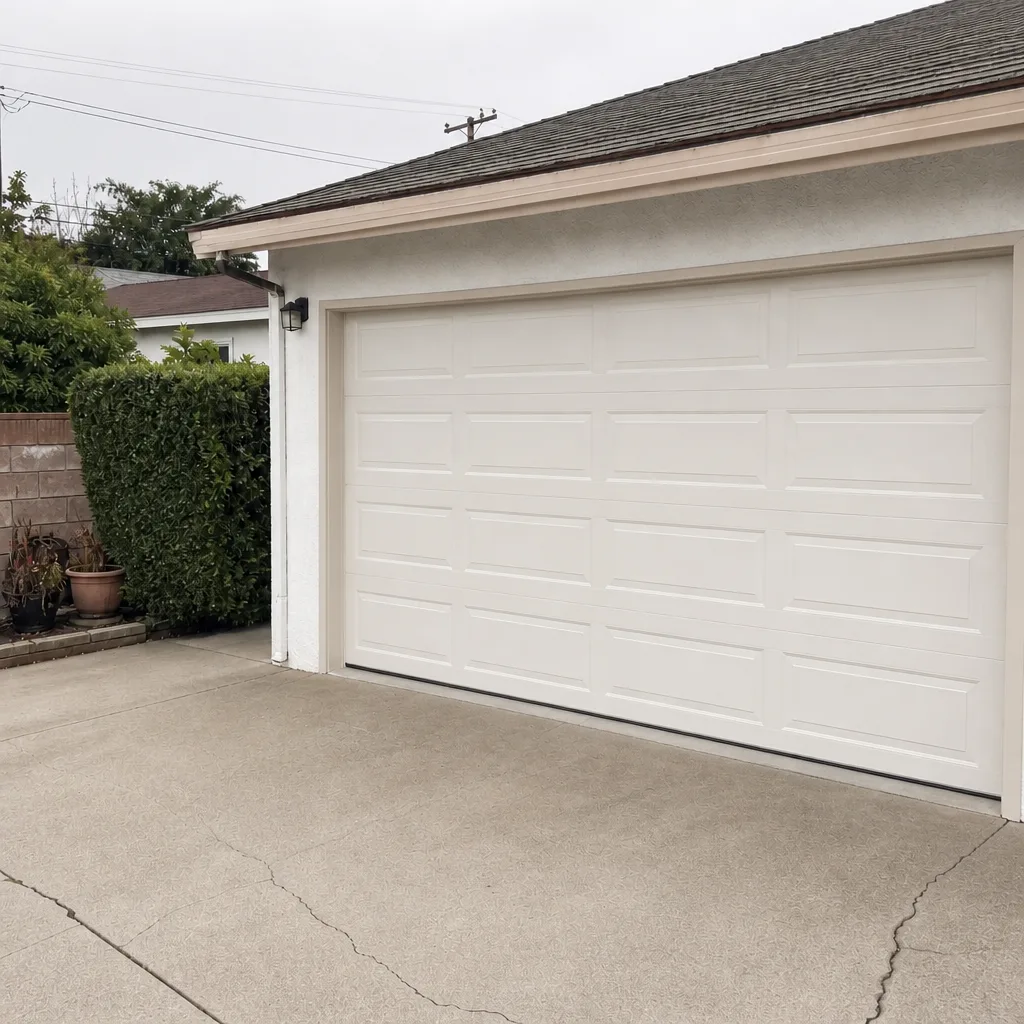
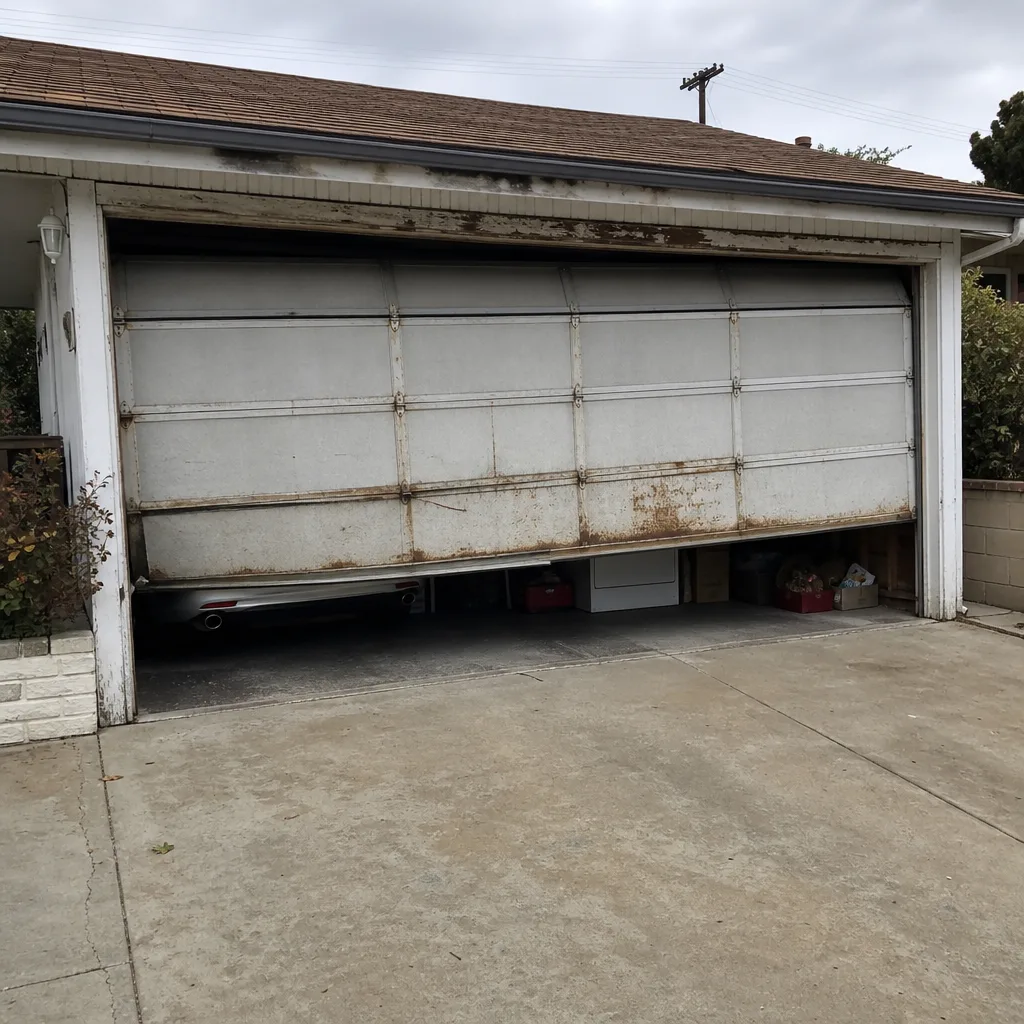
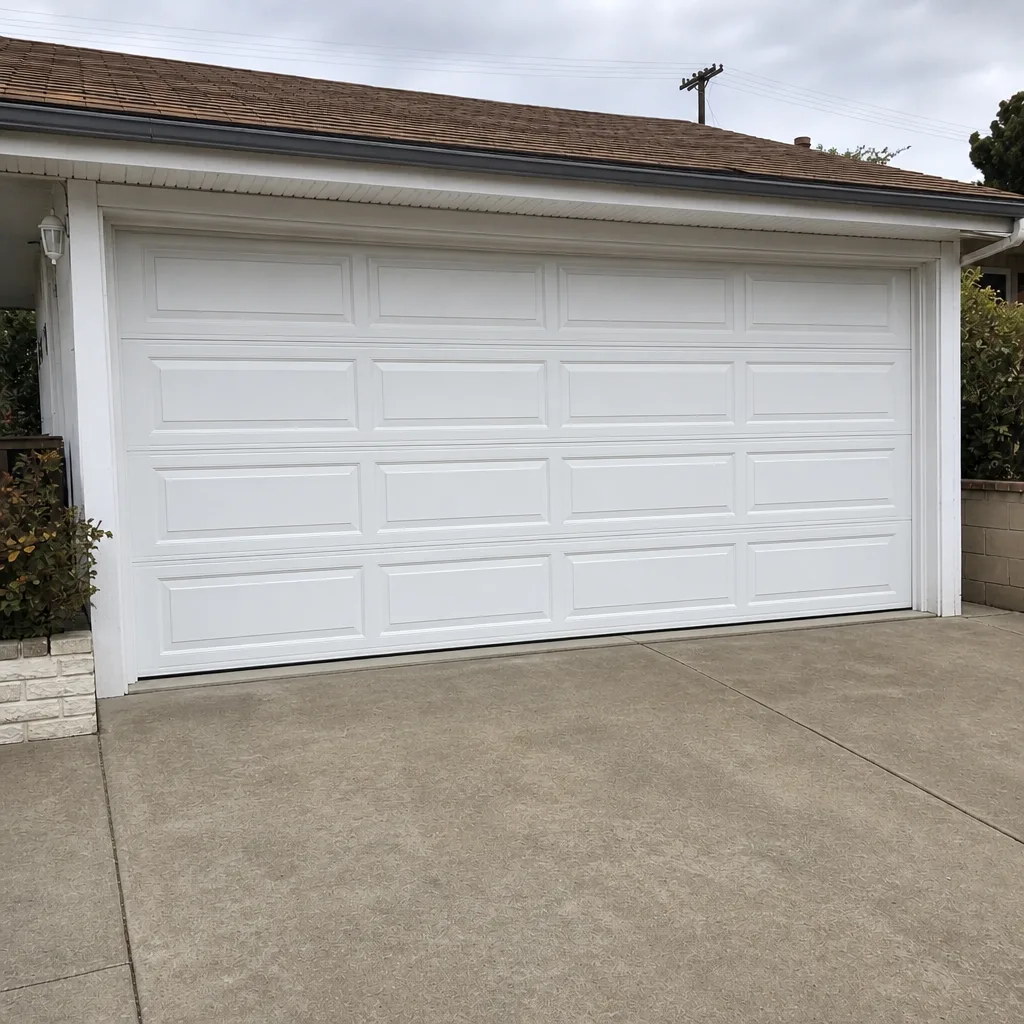
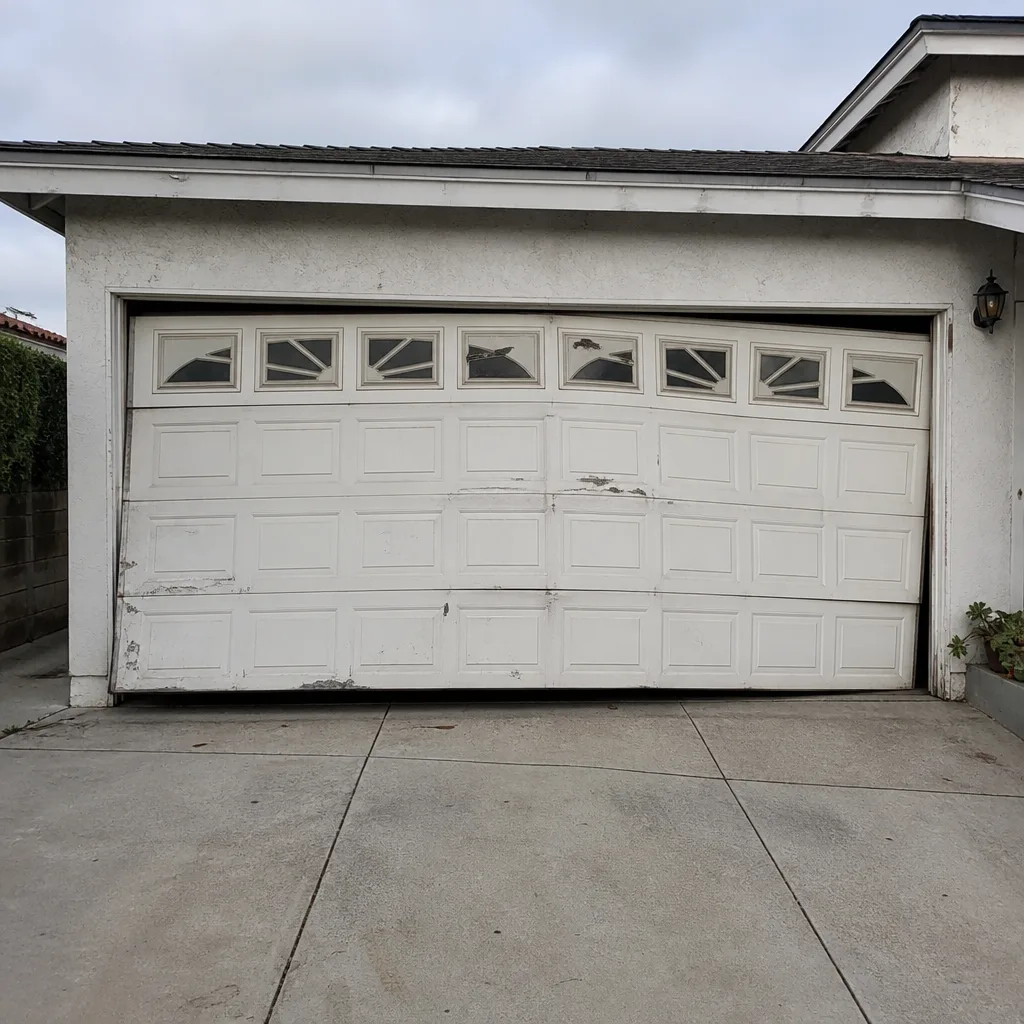
See the difference
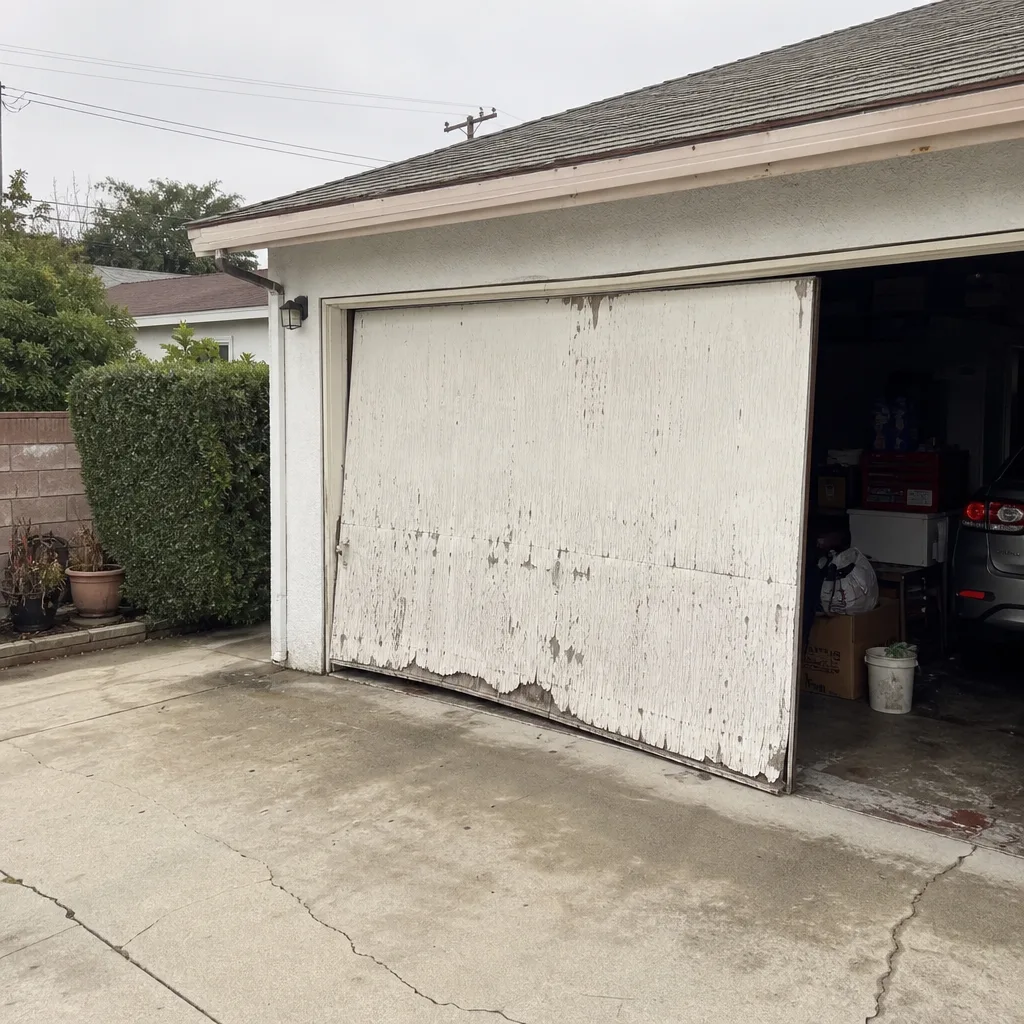 Before
 After
 Before
 After
 Before
 After