
Last updated November 4, 2026
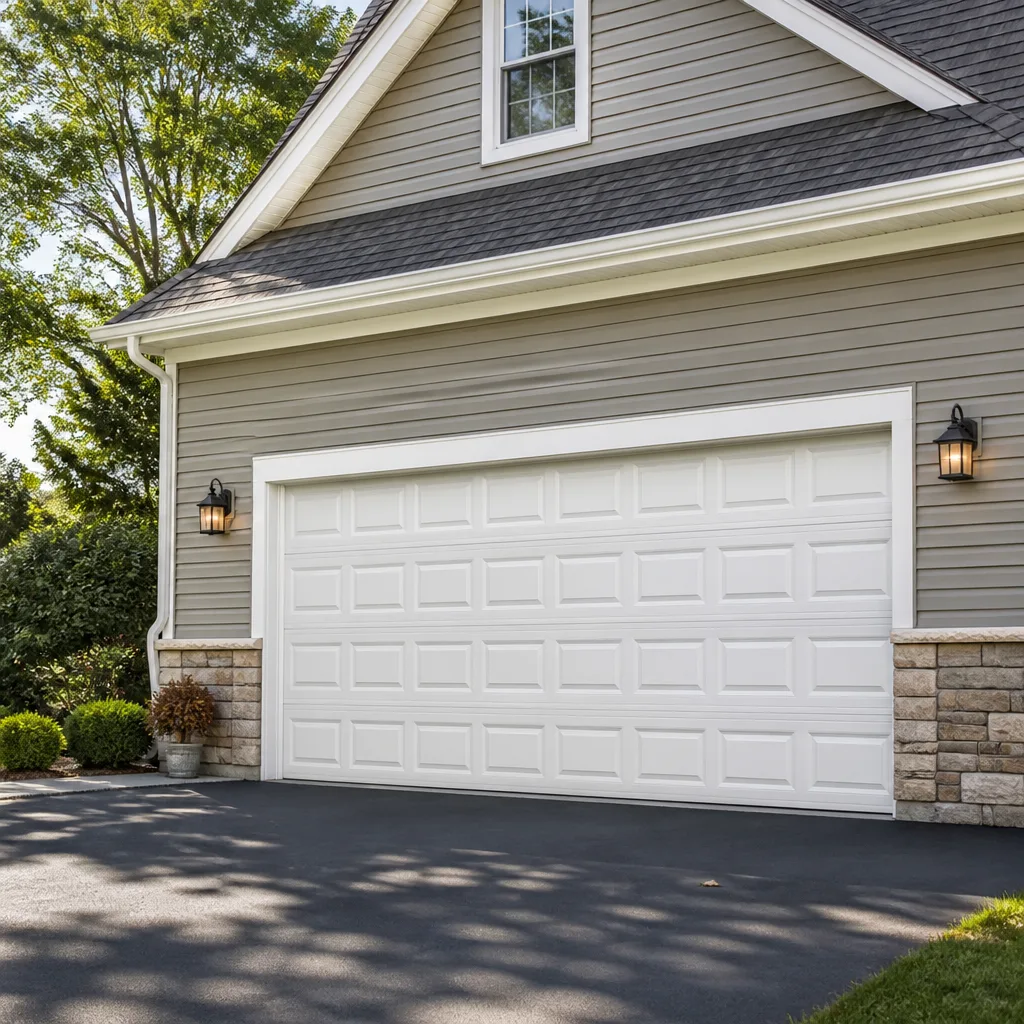 Raised-panel steel
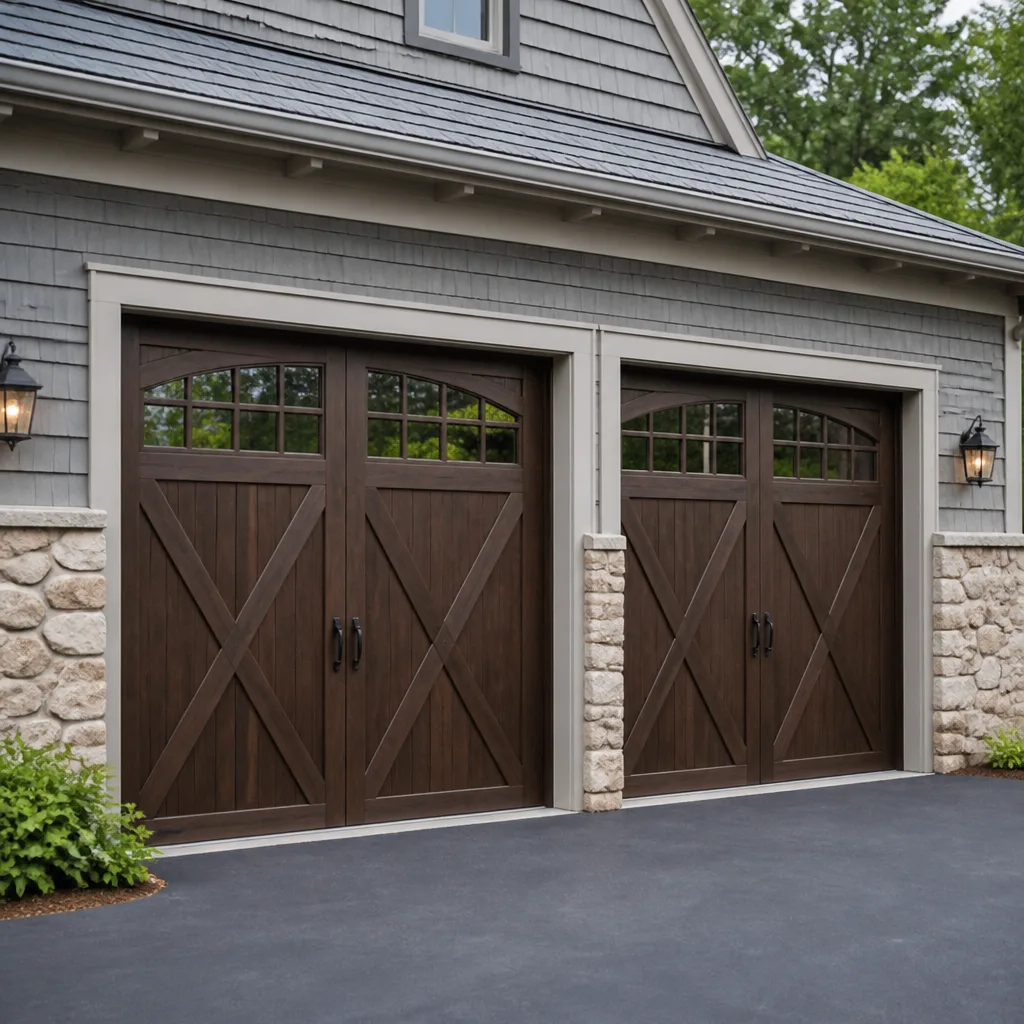 Carriage house
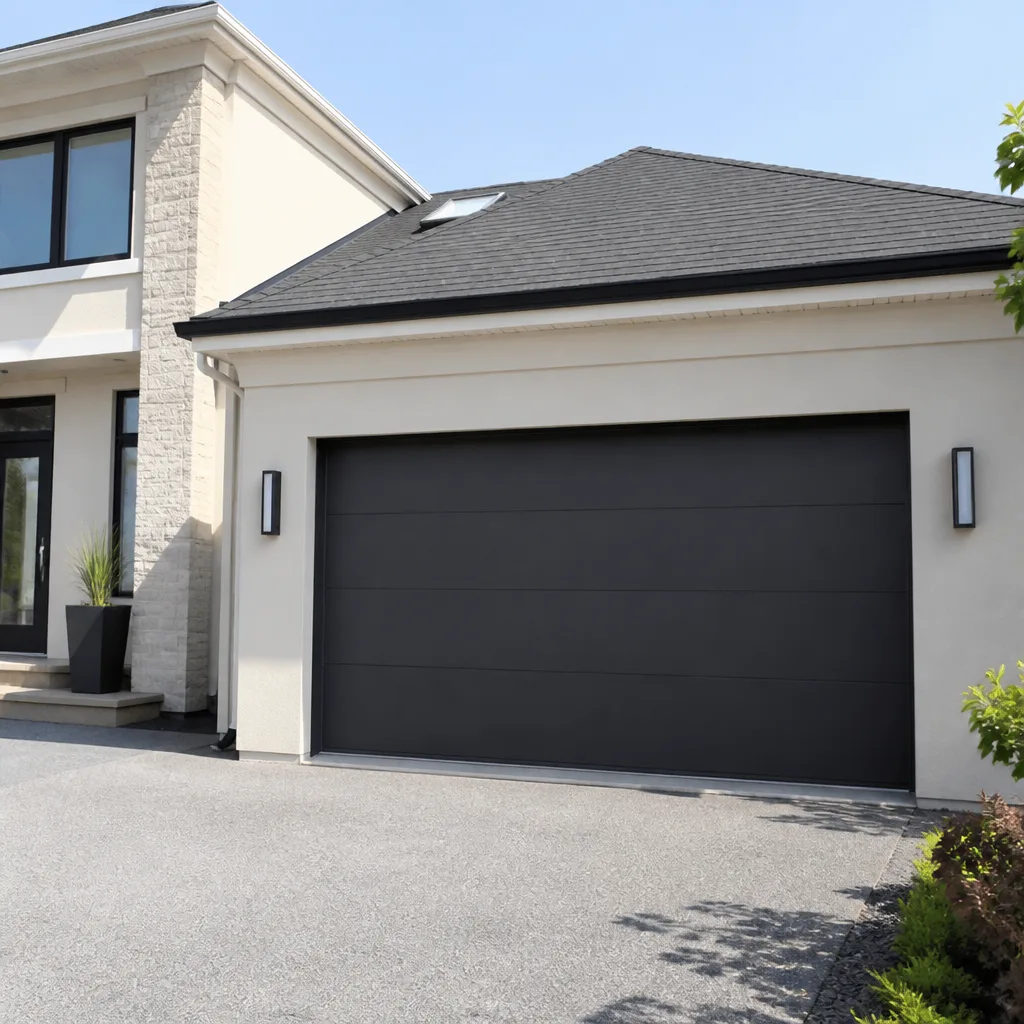 Modern flush
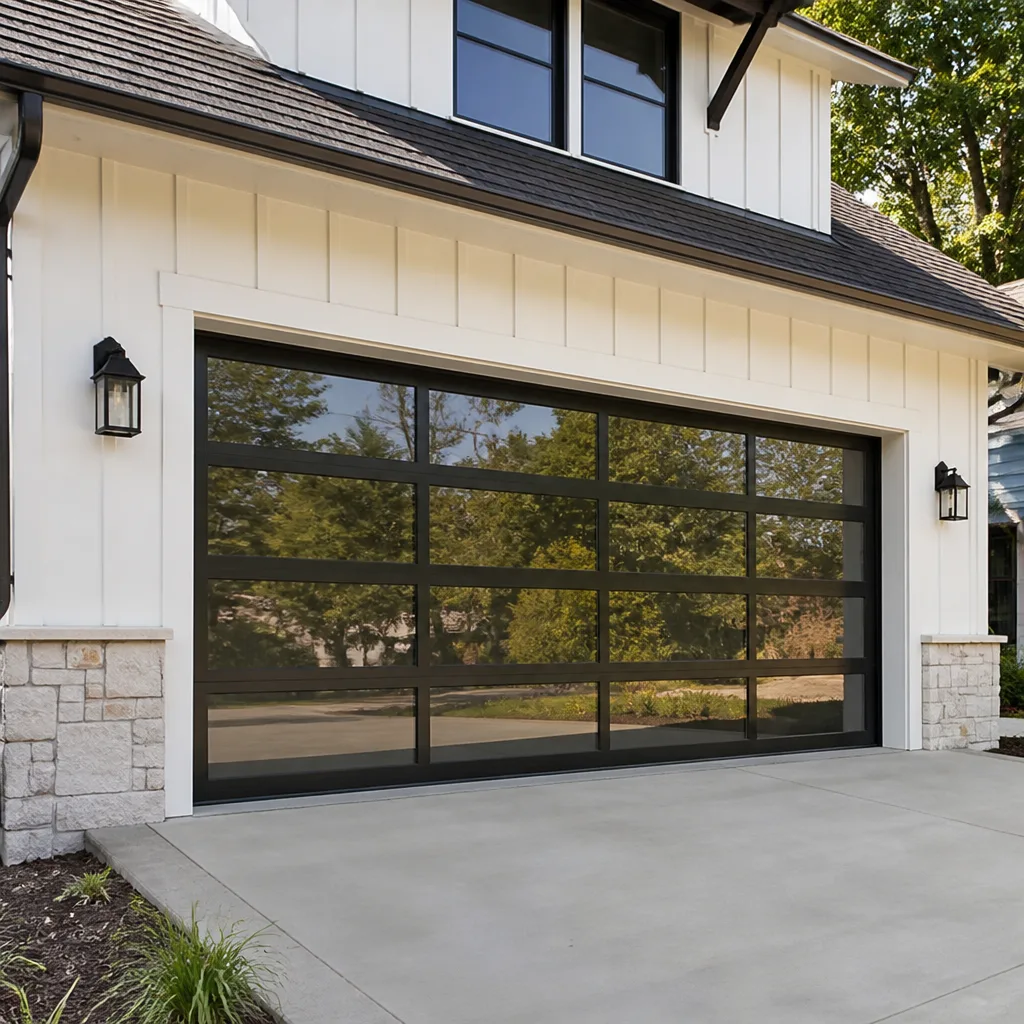 Full-view glass
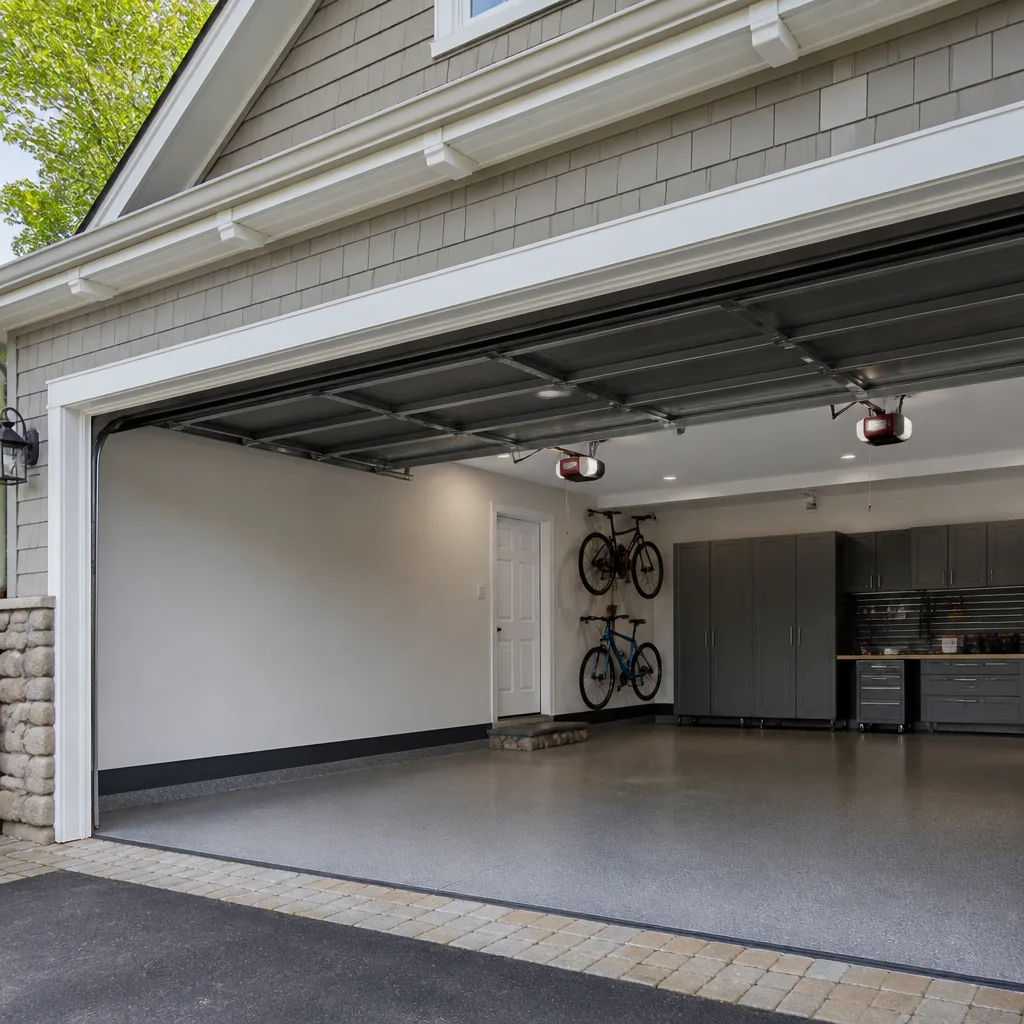 LiftMaster openers
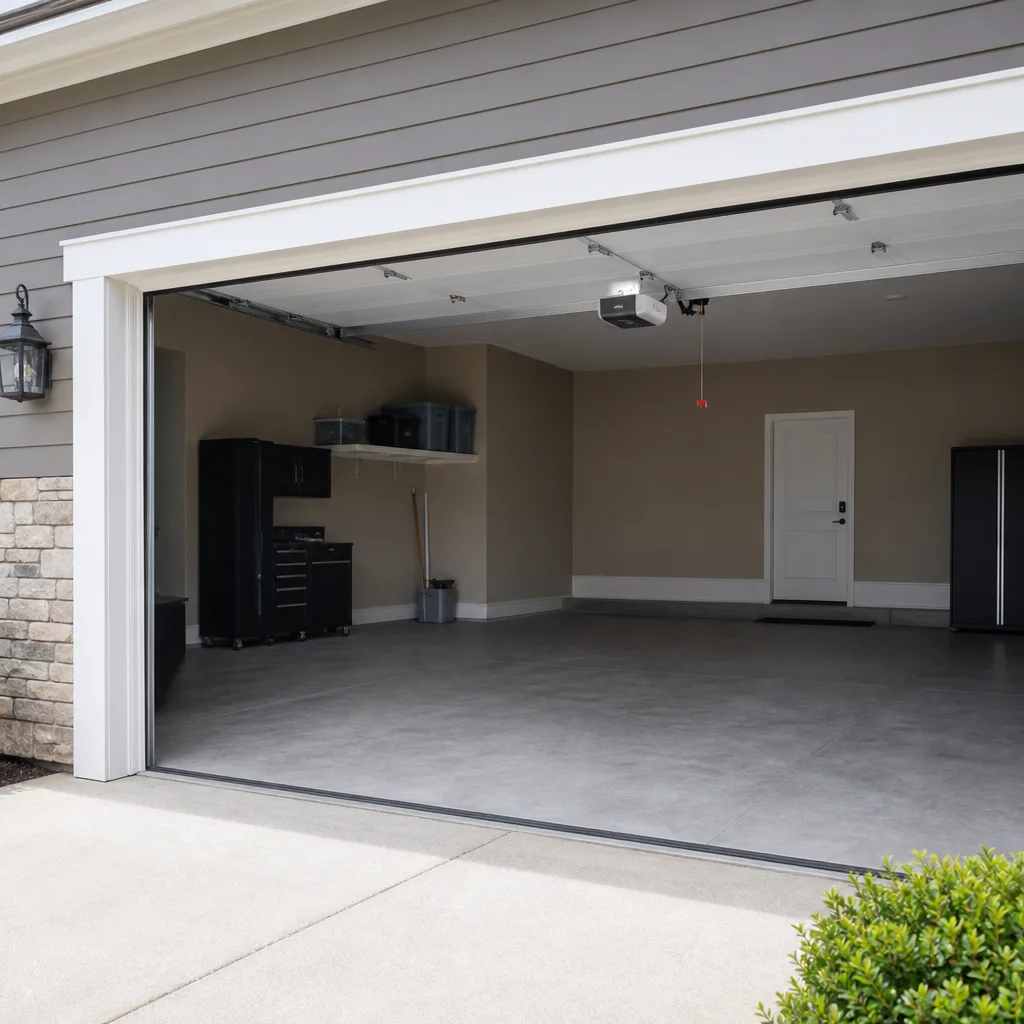 Chamberlain openers
Full 25-point door and opener safety check with every visit - springs, cables, rollers, tracks, and your LiftMaster or Chamberlain opener included
You get a price before we start. It does not change when the truck arrives.
Get your free estimateChoosing the Right Garage Door Brand: A Buyer’s Guide for Monterey Park
Here’s a truth most garage door buyers discover too late: the brand stamped on the panel matters far less than the spec sheet hidden behind it. Homeowners in Monterey Park tend to fixate on names they recognize from big-box aisles, then live for fifteen years with a door that was wrong for their usage pattern from day one. The real decision isn’t Clopay versus Amarr. It’s whether the door’s cycle rating, insulation value, and opener ecosystem match how your household actually uses the garage, in this specific climate, on this specific street. We’ve spent the last 14 years repairing and installing doors across Monterey Park, and we can tell you which choices hold up, which ones quietly disappoint, and which numbers on the label actually predict either outcome. This guide walks through all of it.
Quick Answer
The best garage door brand for a Monterey Park home is the one whose cycle rating, panel construction, and opener compatibility match your usage, not the one with the biggest marketing budget. For most households here, a steel door from Amarr or Clopay with a cycle rating of 15,000 or higher and a LiftMaster or Chamberlain opener offers the strongest combination of longevity, insulation, and future serviceability. A dealer who carries multiple brands and answers questions about warranty claims honestly will guide you better than any brand ranking ever will.
Styles & brands we work with
- Raised-panel steel
- Carriage house
- Modern flush
- Full-view glass
- LiftMaster openers
- Chamberlain openers
Table of Contents
- The Four Numbers on a Spec Sheet That Actually Matter
- Material Comparison: Steel, Aluminum, and Wood Composite in Monterey Park
- Opener Ecosystems: Closed Systems Versus Open Systems
- Curb Appeal and the Monterey Park Market
- How to Evaluate a Dealer’s Brand Recommendation
- Common Mistakes to Avoid
- When to Call a Professional
- Frequently Asked Questions
The Four Numbers on a Spec Sheet That Actually Matter
Most garage door marketing shows you photos of ranch houses and words like “premium” or “architectural.” What it rarely shows is the engineering data that determines whether the door lasts nine years or twenty-five. Here are the four numbers worth studying before you choose a brand, and what each one means for a door installed in Monterey Park.
1. Cycle Rating
A cycle is one full open and one full close. The cycle rating tells you how many of those the door’s springs and hardware are engineered to survive before components start to fail. This is the number that matters most, and the one that appears on almost no consumer-facing marketing material. A household that parks two cars in the garage and uses the door for bikes, trash runs, and the occasional project easily logs six to eight cycles every day. That’s roughly 2,500 cycles a year. A door rated for 10,000 cycles, which is common on entry-level models from several brands, will hit its design life in about four years. In our experience across Monterey Park, spring failures on those lower-rated doors arrive right around that mark. We tell homeowners to look for 15,000 cycles or better. The higher rating costs more upfront, but the math is straightforward: a pair of springs rated for 25,000 cycles on a door used six times a day lasts roughly eleven years before replacement, versus four to five on the cheaper unit. When you call for garage door repair, you pay for the labor whether the spring cost the manufacturer $12 or $38. Buy the higher cycle rating once.
2. R-Value
R-value measures thermal resistance, and it’s the number most people misunderstand. In Monterey Park, where winters are mild and summers run hot, the R-value matters less for keeping your house warm and more for keeping your garage usable. An uninsulated steel door will turn a west-facing Monterey Park garage into an oven by mid-afternoon from July through September. A door with an R-value between 9 and 13, typical of a polyurethane-insulated steel panel, drops that temperature meaningfully. The spec matters for another reason too: insulated doors are quieter. They flex less, they thud less, and they hold their shape better over time. If your garage shares a wall with a bedroom, or you leave for work before 6am, the insulation value does double duty as sound control.
3. Wind Load Rating
Wind load matters even when you don’t live in a hurricane zone. Monterey Park sits in a valley where Santa Ana wind events can push gusts through the San Gabriel Valley with real force. A properly wind-rated door holds its track alignment under those loads. An under-rated door will rattle, bow, and eventually pull its fasteners. When you compare brands, check whether the wind load rating meets the building code for our area. Most dealers can confirm this quickly. Ask the question in writing.
4. Panel Thickness
Panel thickness is the honest spec that tells you how much steel is actually in the door. Entry-level steel doors run 25 or 26 gauge. Mid-grade doors run 24 gauge. The difference is physical: a 24-gauge panel resists dents from bikes, strollers, and the occasional basketball noticeably better than a 26-gauge panel. For homes in Monterey Park where the garage doubles as a workshop, a gym, or a kids’ play zone, the thicker panel earns its cost within the first few years. If the brand’s marketing doesn’t state the gauge, ask. A company that won’t tell you the steel gauge is telling you something about the product.
Material Comparison: Steel, Aluminum, and Wood Composite in Monterey Park
Monterey Park’s climate shapes this decision more than most buyers realize. We don’t get snow, we don’t get coastal salt air, and we do get months of steady, strong San Gabriel Valley sun. That UV exposure, combined with dry air and occasional heavy rain, affects each door material differently. Here’s how the three main options compare over ten years of ownership in our market.
Steel
Steel is the workhorse of Monterey Park garages, and for good reason. Modern steel doors carry baked-on finishes that resist UV oxidation far better than they did twenty years ago, but the sun is still the enemy. A galvanized steel door with a polyester or polyurethane finish will generally hold its color and resist rust for ten to fifteen years here, provided it’s washed occasionally. The failure mode isn’t the panel itself, it’s the scratches and chips that expose bare metal. In Monterey Park, where garages face the street and landscaping work happens close by, minor impacts happen. Steel’s advantage is repairability: dents can be worked out, sections can be replaced, and the cost of ownership stays predictable. For most households, a 24-gauge insulated steel door is the right default.
Aluminum
Aluminum shrugs off corrosion entirely, which makes it a natural choice for humid or coastal climates. Monterey Park is neither, so the material’s main advantage here is weight. Aluminum doors are significantly lighter than steel, which puts less strain on springs, tracks, and openers over time. The trade-off is dent resistance. Aluminum panels deform more easily under impacts, and the thin material transmits more noise. For a Monterey Park homeowner who rarely parks cars in the garage, uses the door once or twice a day, and wants something low-maintenance that will never rust, aluminum is worth a look. For a household with kids, bikes, and active garage use, steel’s toughness usually wins.
Wood Composite
Wood doors are beautiful and expensive to keep beautiful, especially in our climate. The dry air and intense summer sun cause solid wood to shrink, crack, and shed finish at a rate that surprises first-time buyers. Composite doors, which blend wood fibers with resins, hold up better but still demand more maintenance than steel or aluminum. Budget for repainting or refinishing every three to five years, and accept that a Monterey Park wood door is a lifestyle choice, not a set-it-and-forget-it one. If you’re selling within five years, the curb appeal may justify the upkeep. If this is a long-term home, steel delivers far better cost of ownership over a decade.
Ten-Year Cost of Ownership, Monterey Park Context:
- Steel (24-gauge, insulated): Typical installed cost $1,800 – $3,200 for a standard two-car door. Maintenance over ten years is minimal: occasional wash, possible spring replacement around year eight to twelve, one or two hardware adjustments. Total ten-year cost, including the door, typically stays under $4,000.
- Aluminum (residential grade): Typical installed cost $1,600 – $2,800. Lower maintenance than steel, but higher likelihood of dent repair at least once in ten years, especially with active garage use. Total ten-year cost similar to steel.
- Wood composite: Typical installed cost $2,500 – $5,000 depending on style and size. Add refinishing every three to five years at $400 – $900 per visit. Total ten-year cost commonly reaches $6,000 – $8,000. The price is the look.
Opener Ecosystems: Closed Systems Versus Open Systems
The brand on the door panel matters, but the brand on the opener matters more for daily frustration. Here’s the distinction most guides miss: some door brands pair cleanly with any major opener brand, while others are sold as part of integrated, proprietary systems that limit your options later. Before you buy, know which kind of ecosystem you’re entering.
Open Ecosystems
Most residential garage doors work with openers from any major manufacturer. A Clopay or Amarr steel door, for example, pairs fine with a LiftMaster, Chamberlain, or Genie opener. This is the setup we recommend for nearly every Monterey Park homeowner, for one simple reason: it keeps your future options open. If your opener fails in eight years, you can replace it with whichever brand currently leads in reliability and smart-home integration. You’re not locked into whatever the door manufacturer happens to sell. When we handle garage door opener repair, the open-ecosystem doors are almost always faster to service because parts and replacements are broadly available.
Closed or Semi-Closed Ecosystems
A smaller number of brands market doors and openers as matched pairs. The selling point is integration: the opener is tuned to the door’s weight and balance, and the manufacturer can point to a single warranty. The trade-off is lock-in. If the opener line for that brand isn’t well supported locally, or doesn’t integrate with the smart-home platform you prefer, your options narrow. When you evaluate a door brand, ask the dealer directly: “If I want to use a different opener brand later, will that void the door warranty, and will it fit?” The answer tells you everything about how open the ecosystem really is. In our experience, the homeowners who end up happiest are the ones who bought a door from a strong panel manufacturer and an opener from a strong motor manufacturer, matched at installation time for weight and balance.
The Smart-Home Question
LiftMaster and Chamberlain dominate the smart-home-compatible opener space, with myQ integration that lets you check door status and operate it from your phone. Genie and Craftsman offer their own connectivity options, and many Monterey Park homes also still run older Craftsman or Genie units that predate smart features entirely. The factor that matters most for daily use is whether the opener’s mounting style and rail type match your garage ceiling configuration. That’s a measurement question, not a brand-loyalty question, and it’s one a professional should assess before you commit to any ecosystem.
Curb Appeal and the Monterey Park Market
Monterey Park real estate moves with emotion. Buyers here look at the whole property the moment they pull up, and the garage door occupies a huge part of that first visual field. On many Monterey Park homes, the garage door faces the street squarely. It’s the largest single design element on the front elevation, and buyers in our market notice it.
Here’s the calculation to make, and it shifts depending on whether you’re staying or selling.
- If you’re selling within three to five years: Choose the door that flatters the home’s architectural style, not the door that’s objectively the most practical. For the ranch-style and mid-century homes common across Monterey Park, that often means a clean steel door with subtle panel detailing in a neutral tone, or a contemporary flush design if the house has been updated. The return on curb appeal, in a market where exterior presentation weighs heavily on offer strength, usually exceeds the extra cost over a basic builder’s door.
- If this is your long-term home: Prioritize the spec sheet over the style sheet. Buy the higher cycle rating, the thicker gauge, and the insulation level you want. Choose a color and panel style you can live with for fifteen years, because a good door will last that long. Style trends cycle; a door that looked current in 2020 may look dated by 2035.
- Either way: Coordinate the door with the overall front elevation, not just the paint color of the garage wall. Look at the front door, the trim, the roof, and the hardscape. A Monterey Park home with a cohesive front palette photographs better, shows better, and sells for more when the time comes.
How to Evaluate a Dealer’s Brand Recommendation
A dealer who carries one brand isn’t giving you a recommendation; they’re giving you a sales pitch for the only thing they can sell. A dealer who carries three brands has three pitches, and the one you hear depends on which manufacturer offers the best margins that quarter. Here’s how to cut through the incentive structure and get an honest answer.
Question One: Which brand do you service most often?
This flips the conversation from selling to servicing, which is where the truth lives. Ask the dealer which brand shows up in their repair queue most frequently, and listen to how they answer. A dealer who hesitates, deflects, or says “all brands are equal” is protecting a margin. A dealer who tells you which doors they see fail and which they see hold up is giving you the only brand comparison that actually matters: data from real installs in real garages.
Question Two: Which brand has the fewest warranty claims in the last year?
Warranty-claim rate is the spec sheet of reliability. Every dealer knows this number, or at least feels it. Ask directly. If the answer is vague, ask to see the service log. Dealers who handle warranty work on their own installs keep those records because they affect their own labor costs. The ones who dodge the question are telling you that their recommended brand comes back more often than they’d like.
Question Three: What’s the lead time for parts?
This matters enormously in Monterey Park, where a broken spring on a one-car garage in a tight lot means a car stuck outside and a security concern overnight. Some brands keep deep parts inventory at regional distributors. Others depend on slower supply chains. A door from a brand with a fourteen-week backorder on a replacement panel is a door you’ll regret the first time something goes wrong. Ask the dealer to confirm current parts availability for the specific model they’re quoting.
We carry and service doors from eight major brands, including Amarr, Wayne Dalton, Craftsman, and Raynor, and we’ll tell you plainly which ones we’d put on our own homes in Monterey Park and which ones we handle only because they’re already installed. That’s the kind of answer you want.
Common Mistakes to Avoid
- Buying the lowest cycle rating to save a few hundred dollars. A 10,000-cycle door in a household that uses it six times a day hits design life in under five years. The spring replacement then costs more than the original savings. Buy 15,000 cycles or better.
- Choosing a door based on brand prestige rather than panel construction. The name on the box doesn’t survive the San Gabriel Valley sun. The gauge of the steel and the quality of the finish do. Read the spec sheet before you compare brands.
- Ignoring the opener ecosystem entirely. You’ll live with the opener every day. A door that only pairs well with one opener line limits your options when that opener dies. Ask about compatibility before you commit.
- Prioritizing style over usage. A beautiful wood door on a garage that sees heavy daily use will look weathered in three years. Match the material to how you actually use the space, not how you want the listing photos to look.
- Trusting a single-brand dealer’s recommendation. If the dealer only sells one brand, the recommendation is a foregone conclusion. Get opinions from someone who services multiple brands and can compare honestly.
- Skipping the local climate question. A door spec’d for a coastal market or a snowy mountain town will perform differently in Monterey Park. Insulation value, UV resistance, and wind load all shift with our local conditions.
- Choosing based on the lowest installed price. Installation quality determines whether a good door performs well. The cheapest quote is usually the one that cuts corners on spring matching, track alignment, or reinforcement. The door is only as good as the crew that hangs it.
When to Call a Professional
Some garage door decisions you can make from a spec sheet. Others need eyes on the actual opening. Call a professional if your garage has an unusual size or headroom configuration, if the existing tracks are bent or the framing is out of square, if the door is a custom color match that needs to blend with the house, or if you’re buying a heavy wood door that needs spring calculation done properly. Any job involving torsion springs or high-tension cables should always be handled by a trained technician; the stored energy in those springs is genuinely dangerous, and we never recommend homeowners attempt spring work themselves. Stonegate Garage Door Repair offers free estimates in Monterey Park. Call (844) 972-4229 and we’ll walk you through the options for your specific door and opener.
Frequently Asked Questions
The best brand for your Monterey Park home is the one whose cycle rating, panel gauge, and opener compatibility match your household’s actual usage, not the one that ranks highest in generic online lists. For most local homes, a steel door from Amarr or Clopay with a 15,000-plus cycle rating and an open-ecosystem opener from LiftMaster or Chamberlain delivers the strongest all-around value. Your specific answer depends on how many cycles you log daily, whether your garage is insulated, and how long you plan to stay in the home. Call (844) 972-4229 and we’ll help you match the right brand to your situation, not the other way around.
In Monterey Park’s climate, a well-maintained steel door with a 15,000-plus cycle rating typically lasts fifteen to twenty-five years for the panels, with spring replacements expected around year eight to twelve depending on usage. The mild winters work in your favor; there’s no freeze-thaw strain on hardware. The sun is the limiting factor: UV exposure will eventually degrade finishes, especially on doors that face west and take full afternoon heat. Wood and wood-composite doors need refinishing every three to five years to reach the same lifespan.
You need insulation if your garage gets direct afternoon sun, shares a wall with living space, or functions as a workshop, gym, or hobby room. Monterey Park summers push garage temperatures well into the uncomfortable range, and an R-value between 9 and 13 makes the space usable during the day. Insulation also quiets the door significantly. If your garage is detached, unheated, and used only for parking, insulation is optional.
Count your actual daily cycles: one open and one close is a single cycle. If your household uses the door four to six times a day, choose a door rated for at least 15,000 cycles. At that usage, the rating translates to roughly seven to ten years before spring replacement. If you use the door eight or more times daily, look for 20,000 cycles or better. The higher rating costs more upfront and saves you a spring replacement or two over the life of the door.
Yes, and in Monterey Park that conversation usually starts with the home’s architectural style and what the street-facing elevation needs. Mid-century and ranch homes tend to look best with clean, low-profile steel or contemporary flush panels. Spanish and Mediterranean styles call for something with more presence, sometimes in darker earth tones or wood-look finishes. We carry doors from eight major brands and will not steer you toward one simply because we prefer selling it. Call (844) 972-4229 for a free estimate and a recommendation based on your house, not our inventory.
The price from a written quote should match the final invoice exactly, provided the conditions of the job match what was quoted. A trustworthy garage door company in Monterey Park will do a free on-site measurement, confirm spring requirements, check track condition, and set the price in writing before any work starts. At Stonegate Garage Door Repair, the estimate is free and the written quote is the price you agree to before the first panel comes off the truck.
The Bottom Line
Choosing a garage door brand for a Monterey Park home is a materials and usage decision, not a popularity contest. Focus on the four numbers that predict performance: cycle rating, R-value, wind load rating, and panel thickness. Match the material to your climate reality and how hard you work the garage. Keep the opener ecosystem open so future repairs and upgrades stay simple. And when a dealer recommends a brand, ask them which one they service most and which one comes back least. The answer will tell you more than any brochure. We work on doors from eight of the most widely installed brands in the country, and we bring that full-system knowledge to every garage door repair and installation in Monterey Park. Call (844) 972-4229 for a free estimate. We answer 24/7. Fast dispatch from 7am to 7pm, Sunday through Friday.
Written by the team at Stonegate Garage Door Repair, serving Monterey Park since 2012.
See the difference
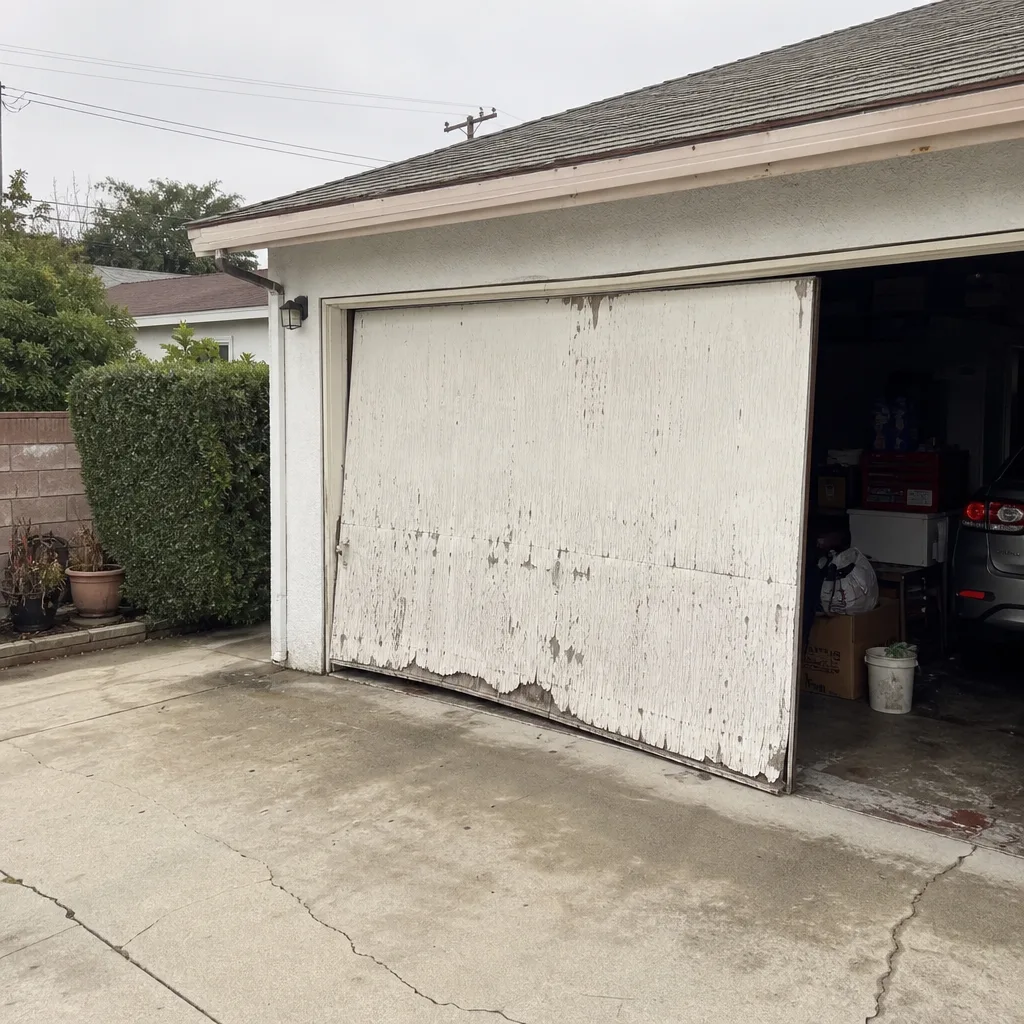 Before
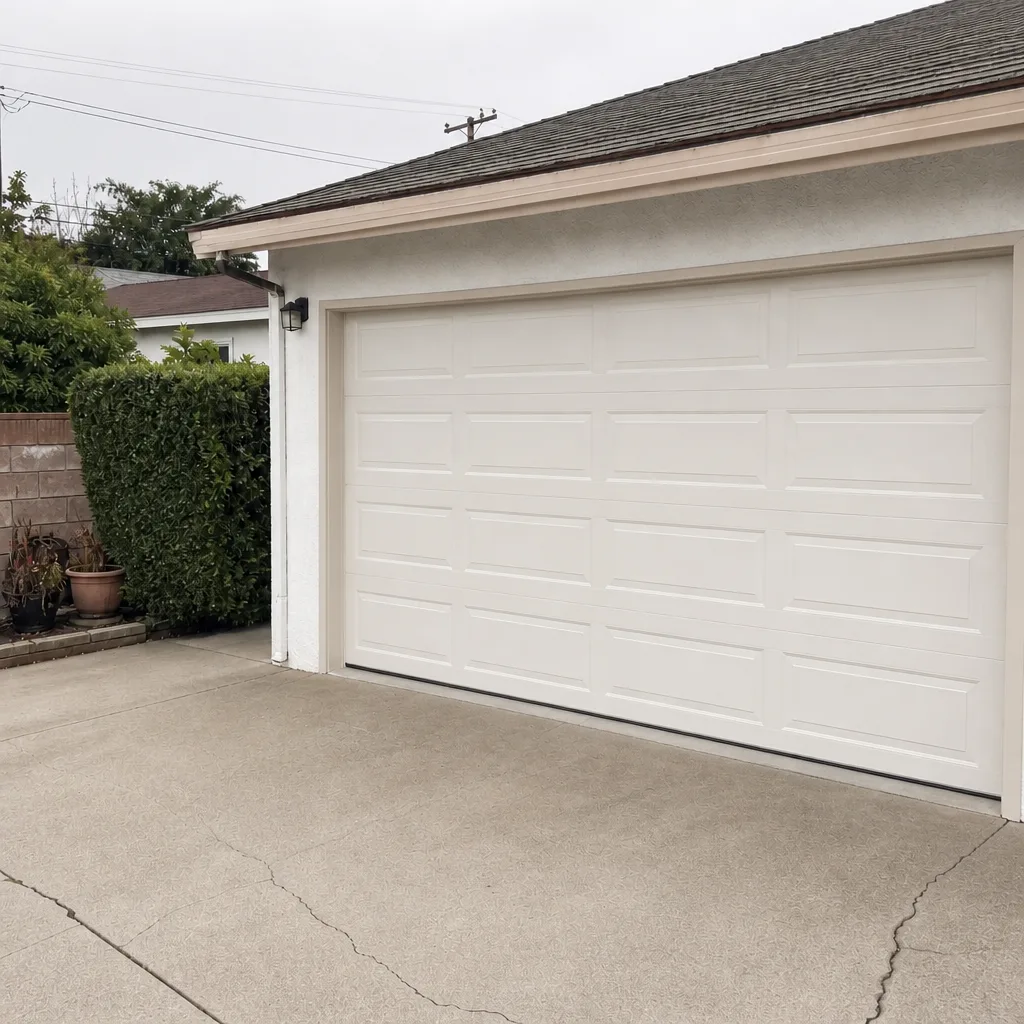 After
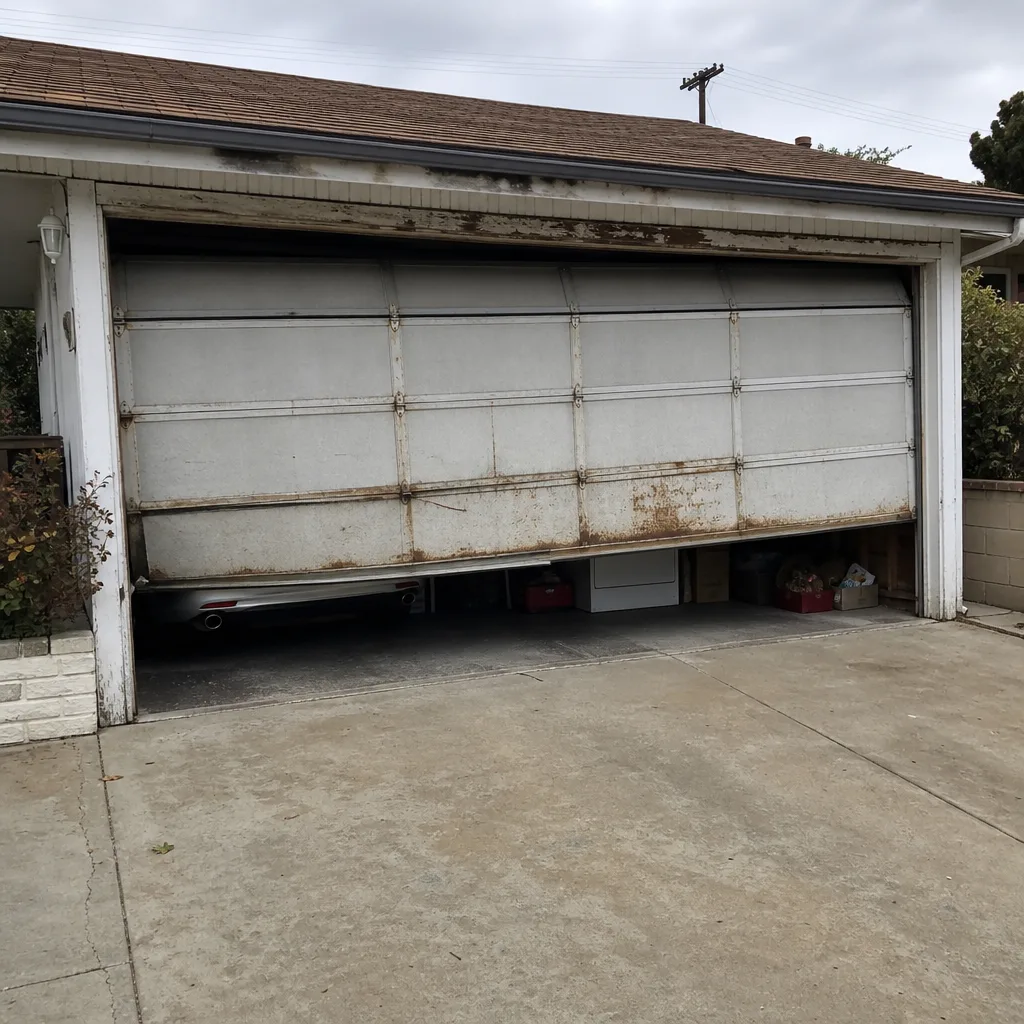 Before
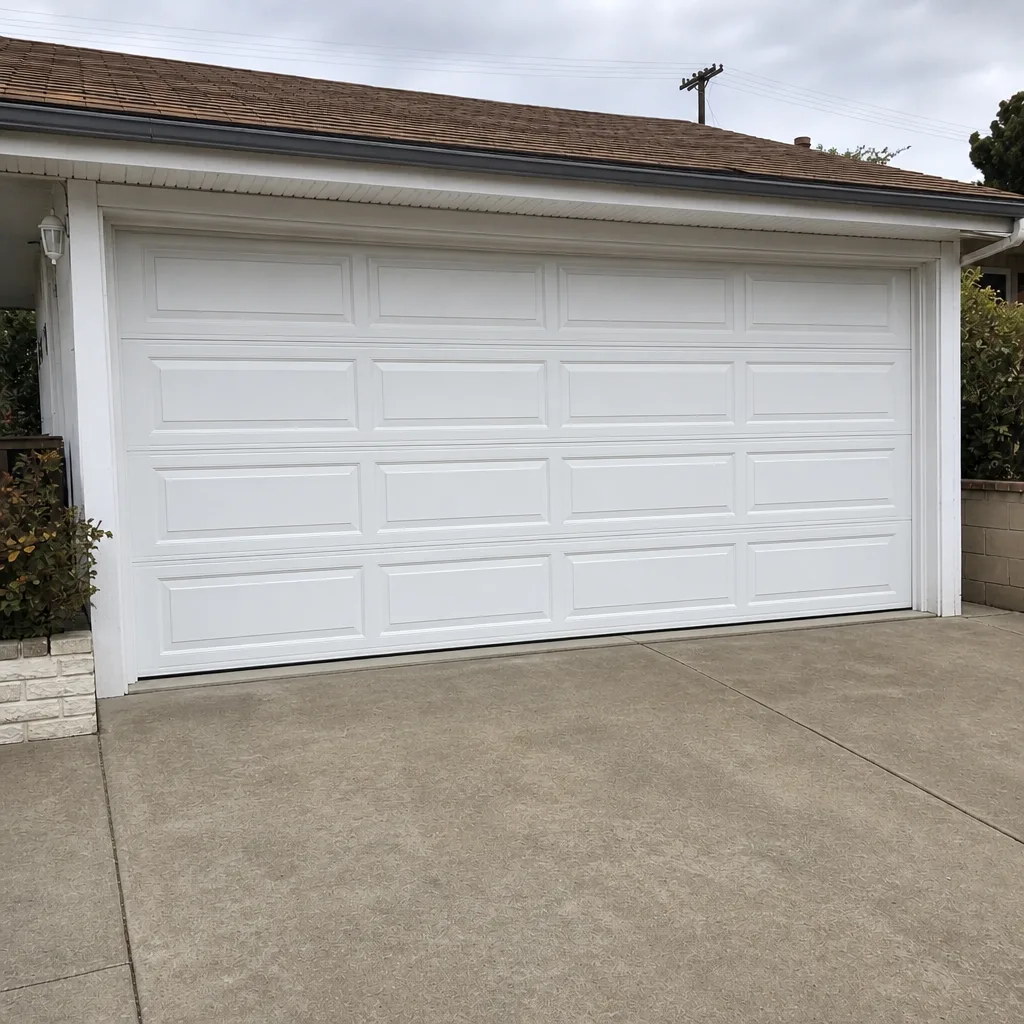 After
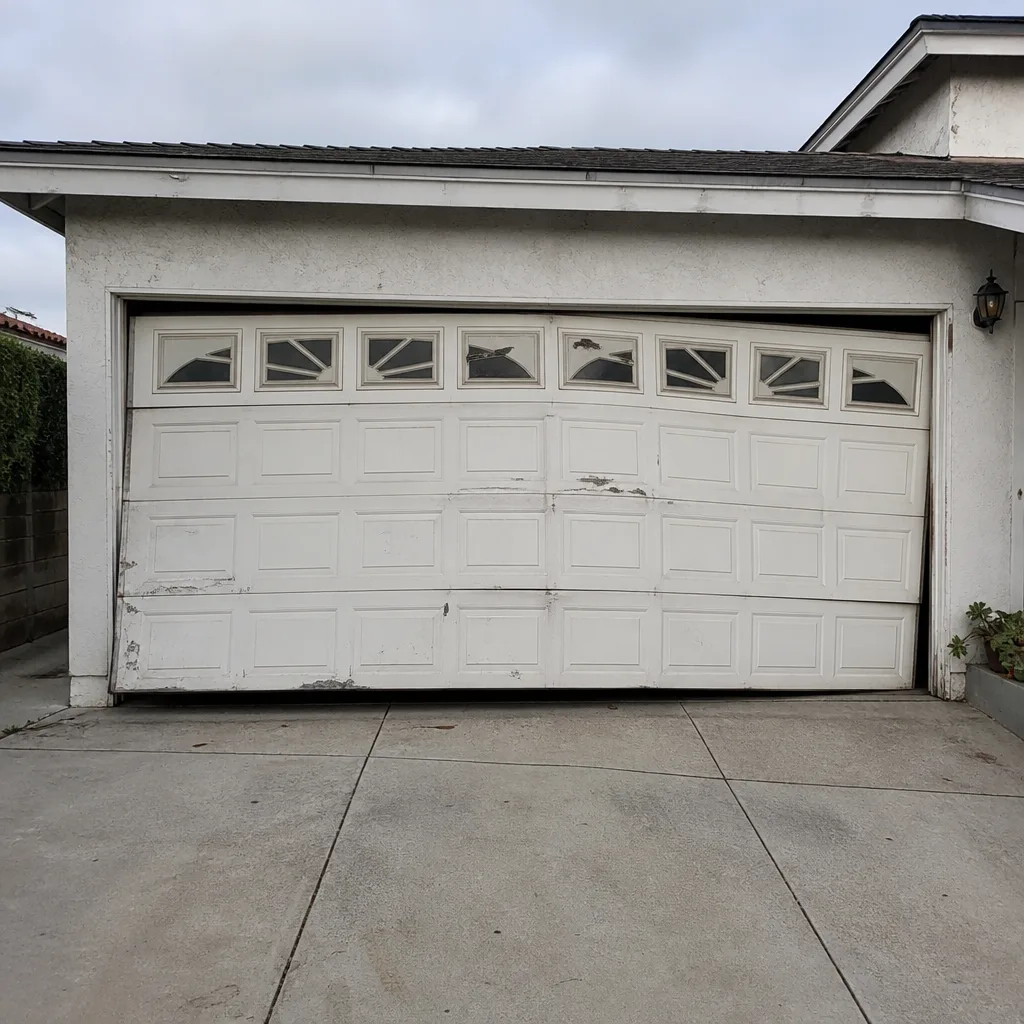 Before
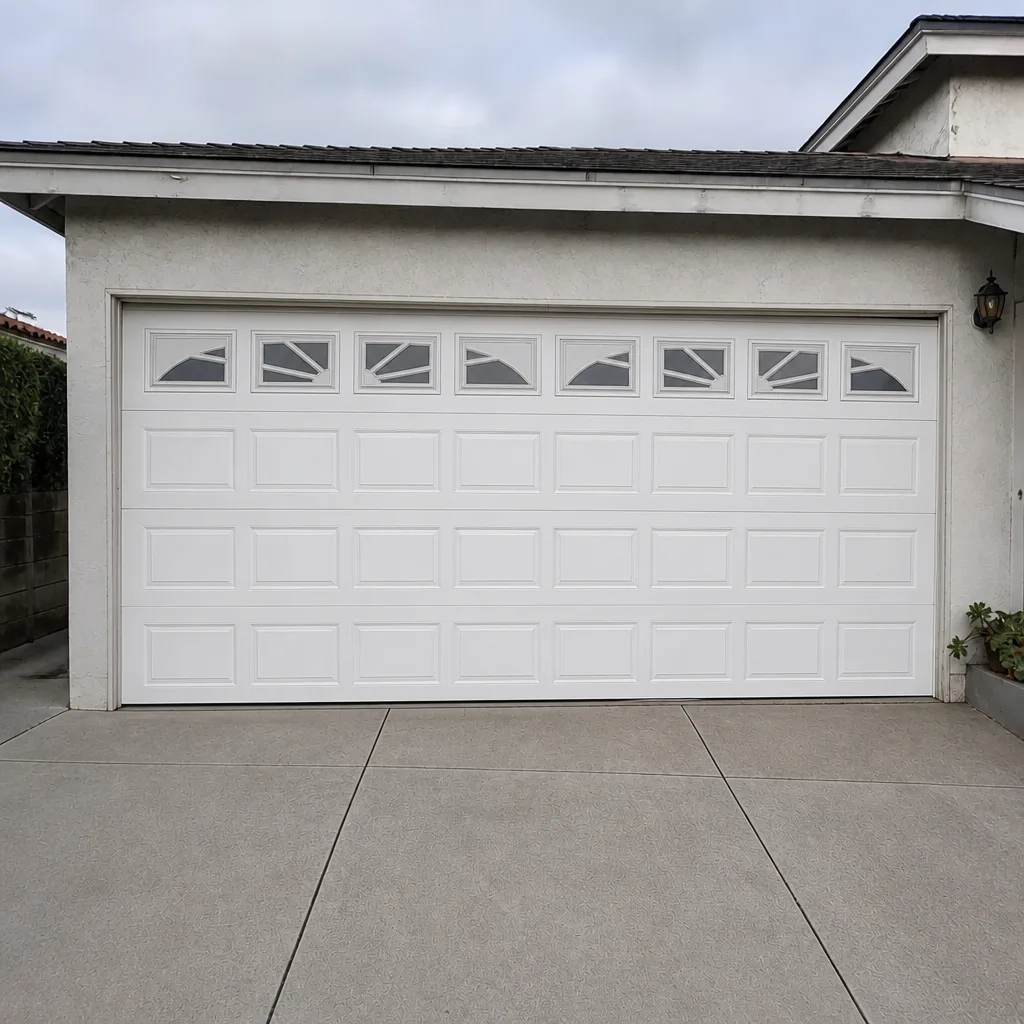 After