
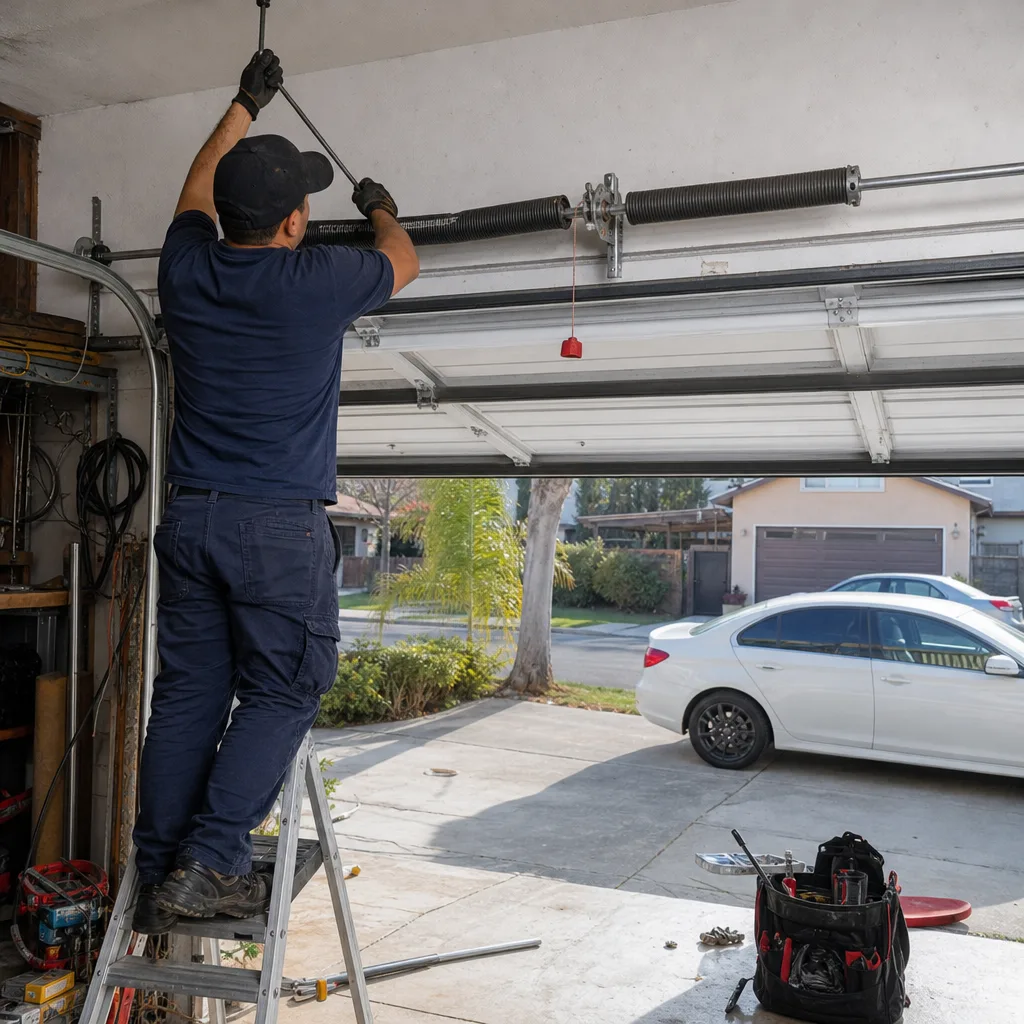
Last updated November 4, 2026
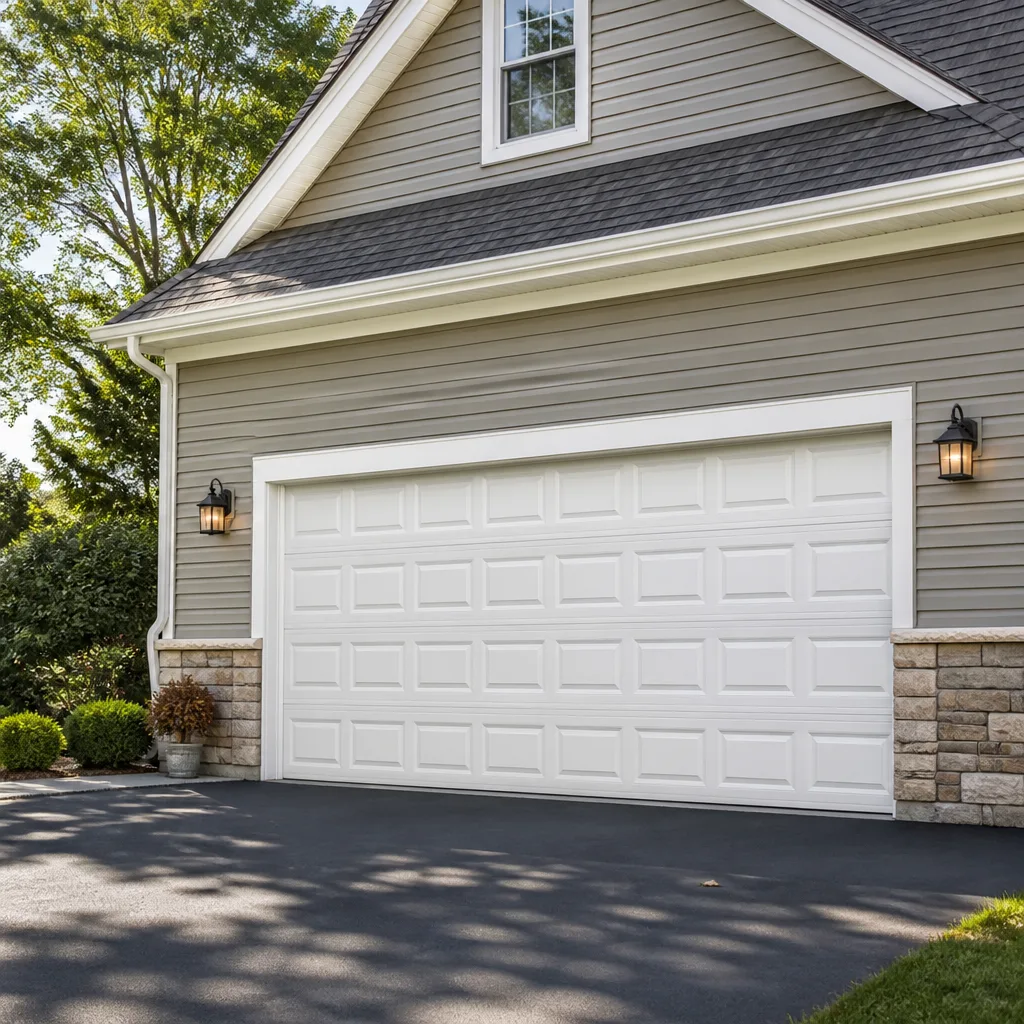 Raised-panel steel
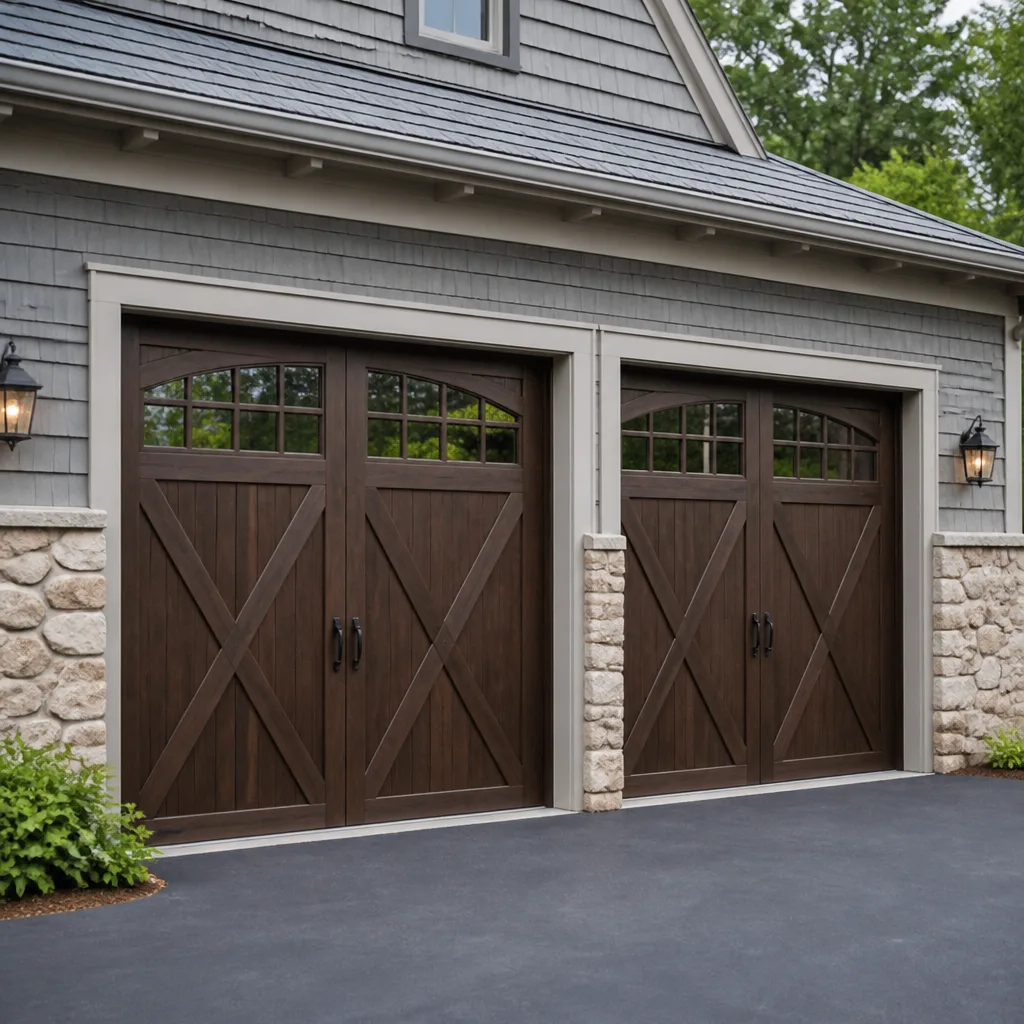 Carriage house
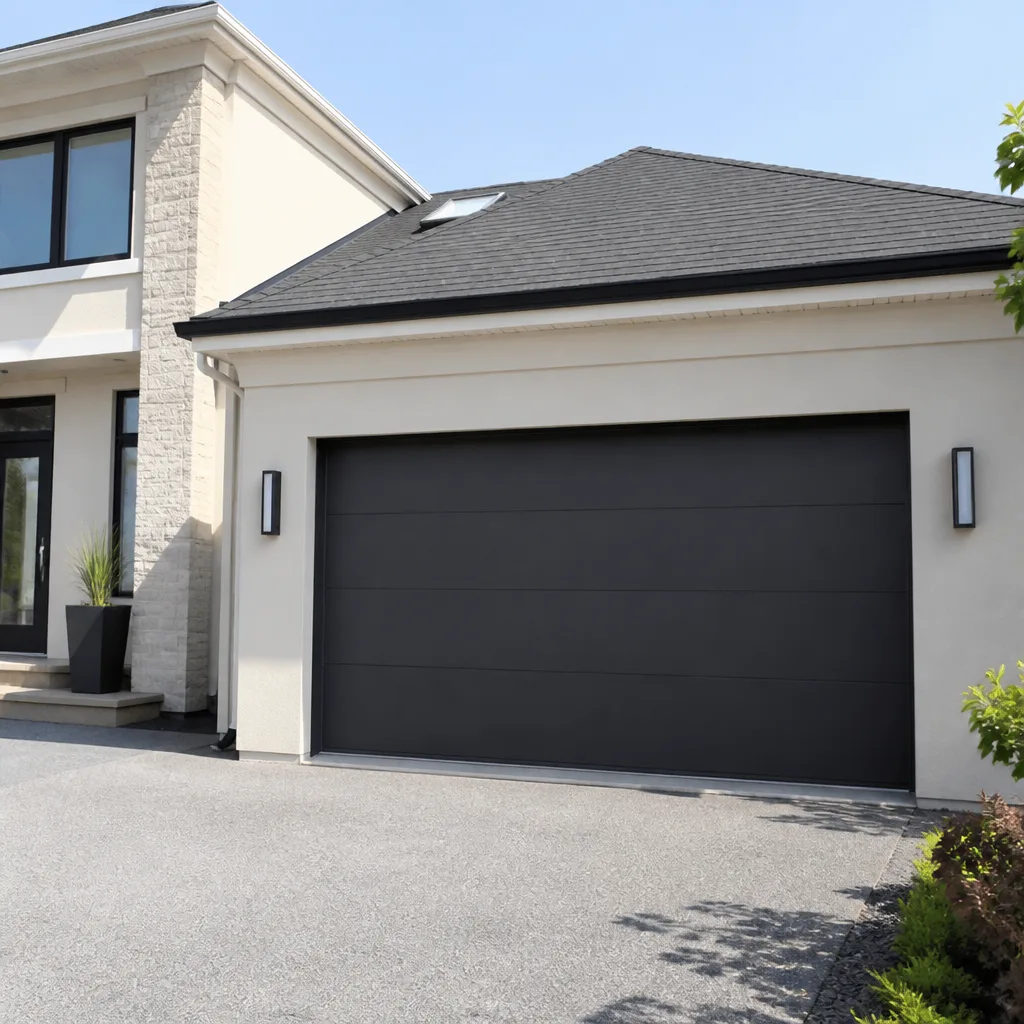 Modern flush
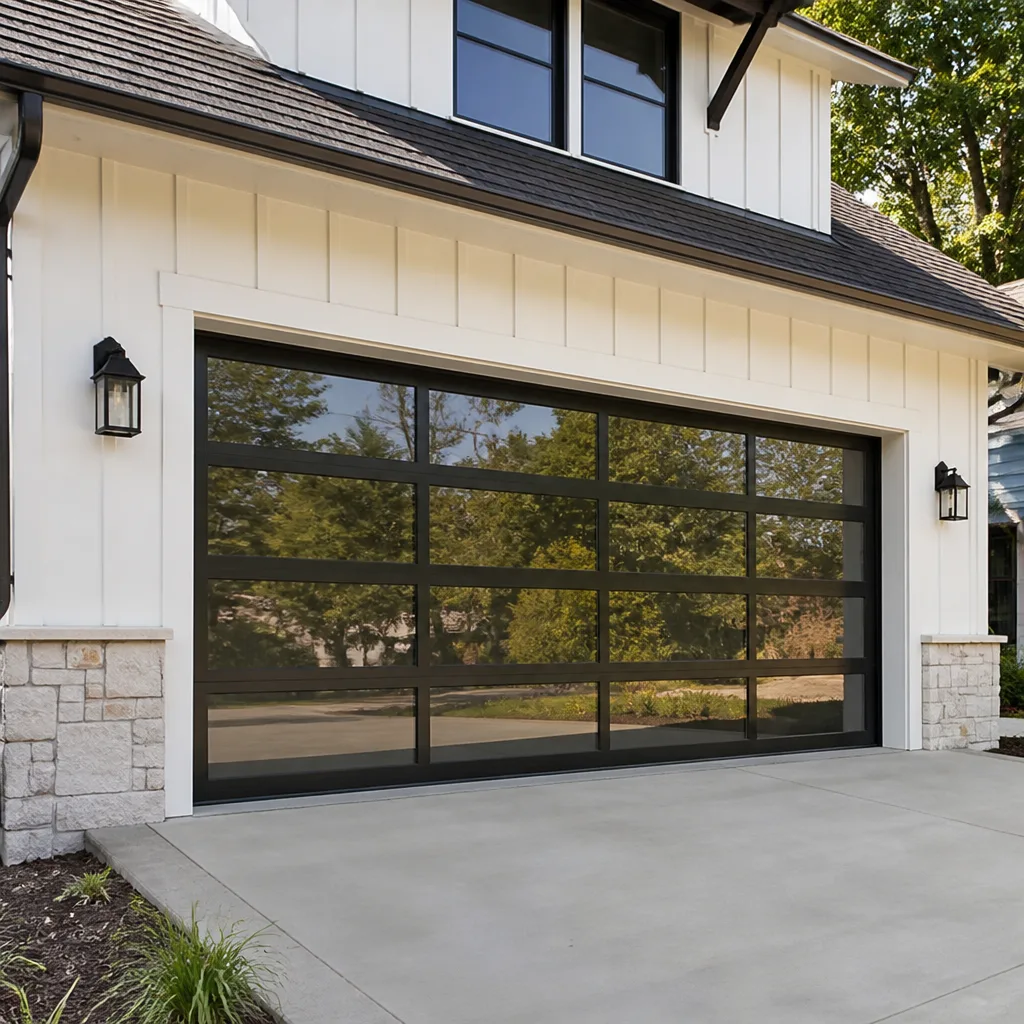 Full-view glass
 LiftMaster openers
 Chamberlain openers
Full 25-point door and opener safety check with every visit - springs, cables, rollers, tracks, and your LiftMaster or Chamberlain opener included
You get a price before we start. It does not change when the truck arrives.
Get your free estimateGarage Door Permits, Codes & Inspections in Monterey Park, CA: What You Need to Know
Most homeowners in Monterey Park assume a garage door swap is a no-permit job, and in plenty of cases they’re right. But the exceptions in California are consequential enough that skipping the check can come back to haunt you during a home sale or an insurance claim. A permit isn’t just bureaucracy here. An unpermitted replacement that altered the opening size or touched the header can be flagged during escrow and require expensive retroactive work. The small permit fee looks very different when a real estate transaction is hanging on it. This guide walks through exactly what triggers a permit in Monterey Park, how Title 24 energy rules apply, what the fire-rated door rule means for your attached garage, and how to get through a final inspection without a callback.
Quick Answer
A straight panel-for-panel garage door swap in Monterey Park typically does not require a building permit. You generally need one when the job changes the opening size, alters the structural header, converts the garage to living space, or involves a new fire-rated assembly between the garage and the house. Always confirm the scope with the Los Angeles County building department before work starts, because the written permit determination is the only one that protects you.
Styles & brands we work with
- Raised-panel steel
- Carriage house
- Modern flush
- Full-view glass
- LiftMaster openers
- Chamberlain openers
Table of Contents
- What Actually Triggers a Garage Door Permit in Monterey Park
- How Title 24 Energy Rules Affect Insulated Garage Doors
- Seismic Bracing and Older Monterey Park Garages
- The Fire-Rated Door Rule for Attached Garages
- What a Final Inspection Checks and How to Prepare
- Step-by-Step: How to Pull a Permit for Your Garage Door Project
- Common Mistakes to Avoid
- When to Call a Professional
- Frequently Asked Questions
What Actually Triggers a Garage Door Permit in Monterey Park
The answer hinges on one word: scope. A direct panel-for-panel replacement, where the new door fits the existing opening without touching the framing, is usually treated as a straightforward repair and does not need a permit. That’s the job most homeowners in Monterey Park are thinking of when they call us. You unbolt the old panels, hang new ones in the same tracks, connect the existing opener, and you’re done. No structural change, no permit.
Here’s where it changes. You do need a permit when any of these apply:
- The opening size changes. Widening the rough opening to fit a double door where a single door once was, or enlarging it vertically for a taller vehicle, is structural work. The header over the door carries wall and roof load. Altering it is never a weekend DIY job.
- The header is modified or replaced. Even if the opening stays the same width, replacing a damaged header or installing a reinforced one for a heavier door changes the structural assembly. That requires a permit and an inspection.
- You’re converting the garage to living space. A garage conversion in Monterey Park is a full remodeling project with its own permit path. The garage door is just one piece of a much larger scope.
- A new opening is being cut. Turning a solid garage wall into a door opening, or adding a second door where none existed, is new construction work and needs plans.
- The replacement involves a new fire-rated assembly. When the wall between the attached garage and the house is altered, the fire-rating requirements kick in and the building department will want to see the details.
The safe move is to describe the actual work to the Los Angeles County building department before anything is ordered. The person on the phone can’t issue a ruling over a quick call in every case, but they can tell you what the standard determination is for your scope. And the written permit, when one is issued, is the only document that proves the work was done legally. A verbal “you’re fine” from a neighbor or an installer is worth nothing at escrow.
How Title 24 Energy Rules Affect Insulated Garage Doors
California’s Title 24 energy code treats garage doors differently depending on whether the garage is attached to conditioned living space. A detached garage far from the house has almost no energy-code teeth. The door is a weather barrier and that’s about it. An attached garage in Monterey Park, especially one that shares a wall or ceiling with a conditioned hallway or bedroom, sits inside the code’s envelope of concern.
The relevant piece is the door’s insulation value. When a garage door serves as part of the thermal boundary, Title 24 may require a minimum level of insulation. That usually means an insulated steel door rather than a single-skin aluminum panel. The practical effect is that swapping an old uninsulated door for an identical uninsulated door is sometimes not compliant, even when no permit is needed. The code applies to the building as a system, not to the swap in isolation.
This is where brand matters more than people expect. Amarr and Wayne Dalton both manufacture steel doors with injected polyurethane insulation that meets or exceeds typical Title 24 thresholds for attached garages in this climate. The right door here is often a polyurethane core rather than a polystyrene one, because polyurethane delivers more thermal resistance at the same panel thickness. That matters when the door faces a west-facing wall that gets direct afternoon sun in Monterey Park summers.
What you don’t need to worry about is a deep-winter cold snap. Monterey Park winters are mild. The energy argument for an insulated door is about summer heat gain and keeping the garage from turning into an oven, not about keeping pipes from freezing. That practical reality shapes how we recommend doors. The best door for this city is one that blocks radiant heat in July and August, which is exactly when an uninsulated metal door becomes uncomfortable to touch from the inside.
Seismic Bracing and Older Monterey Park Garages
Monterey Park sits in a high-seismic zone, which means the California Building Code cares about how a garage opening is framed and braced. The header above the door doesn’t just hold up the wall. In a seismic event, it resists lateral movement that wants to rack the opening sideways. A poorly connected header or corner framing can turn a minor earthquake into a collapsed wall.
Older homes in Monterey Park, particularly those built before modern seismic detailing, often have issues hiding behind the garage door trim. Unreinforced masonry walls are the biggest red flag. If the garage is built of brick or block without steel reinforcement, the header connection to the wall is the weak point. Even on wood-framed homes, older construction may have unbolted sill plates, meaning the wall sits on the foundation without a positive tie-down. When an earthquake shakes it, the wall can shift sideways and the garage door opening deforms. The door then binds in its tracks and stops working at the exact moment you need the garage accessible.
What this means for a door replacement is that a smart installer looks at more than the door. In our experience, older Monterey Park garages sometimes need header strapping added or upgraded while the opening is exposed, because it’s far cheaper to do when the old door is off than to revisit later. That work runs through a permit path because it’s structural. The building department will want to see the connection details before approving the final.
For homeowners, the takeaway is simple. If a contractor tells you they can hang a heavier door on an old header without checking what’s behind the trim, you’re talking to the wrong contractor. A door with a solid wood core or a heavy glass panel weighs far more than the original 1970s steel door. The header and its connections need to be evaluated for that new load.
The Fire-Rated Door Rule for Attached Garages
California building code requires a fire-rated assembly between an attached garage and the living areas of the house. That assembly is a wall system, not just a sheet of drywall. It includes the door from the garage into the house, the walls, the ceiling if there’s living space above, and penetrations through those surfaces. The rule exists because garages are where vehicles, fuel, paint cans, solvent containers, and lithium batteries spend their nights. A fire that starts in a garage needs to be contained long enough for people to wake up and get out.
The large vehicle door on the garage itself is not part of that fire-rated assembly. That’s a common misconception. The 20-minute fire door that the code talks about is the pedestrian door between the house and the garage. When we replace the big overhead door, we are not required to turn it into a fire-rated door. The vehicle door is a weather barrier and a security barrier, not a fire containment wall.
But the two systems intersect in one way that matters in Monterey Park. If the garage door replacement project involves the wall near the pedestrian door, or if a water heater or electrical panel gets moved as part of the job, the fire-rating of that shared wall can be disrupted. Any penetration through a fire-rated wall must be sealed with approved materials and, depending on scope, may trigger an inspection. Electrical and plumbing work that pierces the garage-to-house wall is exactly the kind of incidental scope change that turns a simple door job into a permitted, inspected project.
For homeowners, the practical rule is this: replacing the overhead door itself doesn’t touch the fire rating. Replacing drywall, moving utilities, or cutting into the wall near the pedestrian door might. If your project touches that wall, get a permit determination before the first cut.
What a Final Inspection Checks and How to Prepare
When a garage door project in Monterey Park does require a permit, the final inspection is the gate between “work is done” and “work is legal.” The inspector from the Los Angeles County building department is checking for compliance with the approved plans and the relevant code sections, nothing more and nothing less. Knowing what they’re looking at makes the visit fast.
Here’s a checklist of the typical items for a garage door structural or opening change:
- Header size and material. The inspector verifies the installed header matches what the plans specified. Undersized lumber or an unapproved engineered beam will fail.
- Bracing and strapping. Seismic connections between the header, the king studs, and the top plate get checked for type, spacing, and nail pattern.
- Fire-rated assembly at the house wall. If the project touched the shared wall, the inspector checks the drywall type, thickness, and edge sealing.
- Door operation. The door must open and close smoothly, with safety reversing on the opener verified if a new opener was part of the permitted work.
- Anchoring. The track brackets and mounting fasteners must be into solid framing, not just through drywall or stucco into open cavity.
Preparing for the inspection means having the permit documents on site, the job site accessible, and the means to open and close the door safely. If the inspector needs to see inside the wall, have the access panel or unfinished area open and clean. A callback usually happens for one reason: the inspector couldn’t verify what was supposed to be visible. Don’t bury the work behind drywall and paint before the inspection happens.
Step-by-Step: How to Pull a Permit for Your Garage Door Project
If you’ve determined your project in Monterey Park needs a permit, the process is straightforward. It’s not exciting, but it’s predictable, and that’s what you want from a building department.
- Define the scope in writing. Write down what is physically changing: opening dimensions, header modifications, wall penetrations, fire-rated assembly work. This is your permit application in plain English.
- Contact the Los Angeles County building department. Ask for a permit determination for your scope. They’ll tell you what forms and plans, if any, are required. Some simple header replacements may only need a site drawing. New openings or conversions will need drafted plans.
- Prepare the documents. For simple jobs, a dimensioned sketch may suffice. For larger structural work, a licensed engineer or architect may need to prepare the drawings. Don’t guess; if the department asks for stamped plans, get them.
- Submit and pay. Permit fees for a basic structural garage door job are generally modest relative to the overall project cost. The fee structure depends on the valuation of the work, and the department can give you the number.
- Schedule the inspection. Once the work is done and the inspector’s checklist items are visible, call for the final. The inspector either signs off or issues a correction notice for specific items.
- Keep the signed permit. File it with your home records. This is the document a buyer’s inspector will ask about at resale. It proves the work was permitted and closed.
Common Mistakes to Avoid
- Assuming every garage door job is permit-free. Panel-for-panel swaps usually are, but the moment the opening or header changes, the assumption breaks. Incorrectly skipping the permit catches up at the worst possible time: during escrow.
- Not pulling a permit because the opener is failing. A new opener alone rarely needs a permit, but if the installation involves new circuits or moving the outlet, electrical work may trigger one. Ask about the electrical scope separately.
- Hiding the job behind finished drywall before inspection. If the inspector can’t see the header, straps, and fire-rated details, the inspection ends in a correction notice. Leave the work exposed until sign-off.
- Choosing a door by price alone and ignoring Title 24. An uninsulated door on an attached garage in Monterey Park can conflict with energy code requirements. The wrong door is not just warmer in summer; it can fail a compliance review.
- Trusting a verbal “you don’t need a permit.” Unless that statement comes from the building department in writing, it’s not your protection. Contractors are not code officials.
- Not photographing the exposed framing before closing the wall. Photos are not a substitute for inspection, but they’re excellent documentation if questions ever arise later. Save them.
- Forgetting the pedestrian door when scope creeps. If the project expands to the wall near the house-door, the fire-rating rules apply. Scope creep is where unpermitted work hides.
When to Call a Professional
If your garage door project in Monterey Park touches the header, the opening size, the fire-rated wall, or any electrical circuit, that’s professional territory. A licensed contractor who understands the local permit path will save you hours of back-and-forth with the county and reduce the odds of a failed inspection. Even for a straight replacement, the right installer knows how to evaluate spring tension, track alignment, and door balance safely. High-tension garage door springs and cables carry enough stored energy to cause serious injury when mishandled, and opener wiring near a panel is not a learning opportunity for a Saturday afternoon.
Stonegate Garage Door Repair offers free estimates in Monterey Park. We handle garage door repair, full-system replacement, and garage door opener repair under one roof, and we know how these jobs run in this city’s permit environment. Call (844) 972-4229 for a written quote before any work begins.
Frequently Asked Questions
A straight panel-for-panel replacement that doesn’t change the opening size or header typically does not require a permit in Monterey Park. If the opening is enlarged, the header is altered, the garage is being converted, or the fire-rated wall is touched, a permit is required. Call (844) 972-4229 and we can help you determine which category your job falls into.
Permit fees depend on the valuation of the work and the specific scope, so there is no single number that applies to every job. A basic structural modification is generally inexpensive relative to the project total, but a new opening or garage conversion costs more. The Los Angeles County building department can quote the exact fee once they see the scope.
For a simple panel swap, a mechanically inclined homeowner can often do the work legally without a permit. But garage door springs and cables are under high tension and cause serious injuries when they release unexpectedly, so we strongly recommend a trained professional for any job involving spring work. If your scope touches the header or opening, a permit and professional help are both necessary.
A direct opener swap on an existing outlet usually does not need a permit. If the job requires a new electrical circuit, moving an outlet, or adding wiring, the electrical portion may need its own permit. When in doubt, describe the electrical scope to the building department.
Skipping a required permit creates a record problem that surfaces at resale or during an insurance claim. A buyer’s home inspector may flag the unpermitted work, and escrow can stall while you sort out retroactive permitting. The unpermitted work itself may also be unsafe, especially if structural connections were never inspected. The cleanest path is to pull the permit before the work starts. For an exact quote on your project, call (844) 972-4229. Estimates are free and the written quote sets the price before any work begins.
No. The large overhead vehicle door is not part of the fire-rated assembly between the garage and living space. The fire-rated door rule applies to the pedestrian door between the house and the garage, along with the shared wall, ceiling, and penetrations. If your overhead door replacement project expands to touch that wall, the fire-rating rules activate for the wall work.
The Bottom Line
The garage door permit question in Monterey Park has a clean answer: panel-for-panel swaps are usually permit-free, and structural changes, opening alterations, conversions, and fire-wall work are not. Title 24 energy rules can demand an insulated door on attached garages, seismic bracing matters on older homes, and the fire-rated rule applies to the house-to-garage wall, not the big door itself. When in doubt, get the scope determination in writing from the Los Angeles County building department. And when you’re ready to talk to a full-system specialist who knows doors from Amarr, Wayne Dalton, Craftsman, and Raynor systems already in Monterey Park garages, reach out to Stonegate Garage Door Repair. We handle Monterey Park jobs with the same calm diagnosis on every call. Call (844) 972-4229. We answer 24/7. Fast dispatch from 7am to 7pm, Sunday through Friday.
Written by the team at Stonegate Garage Door Repair, serving Monterey Park since 2012.
See the difference
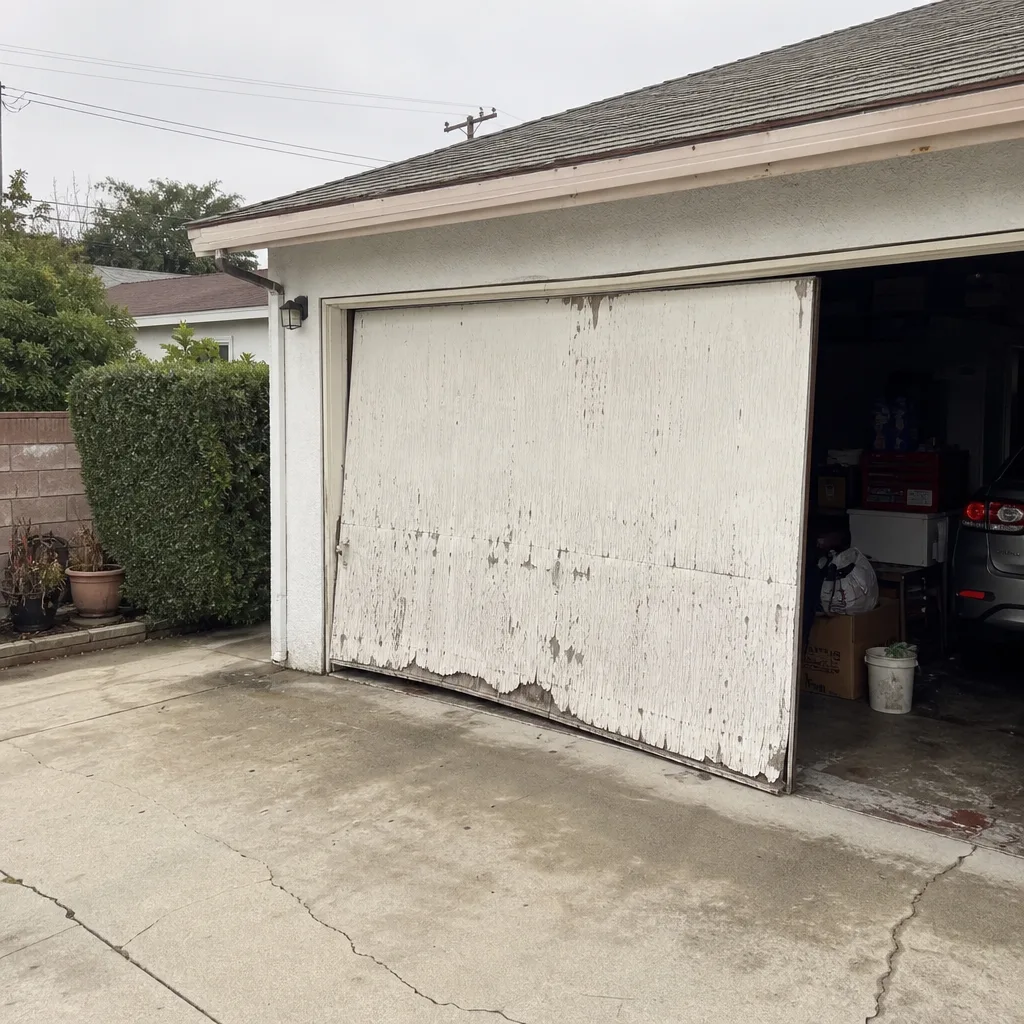 Before
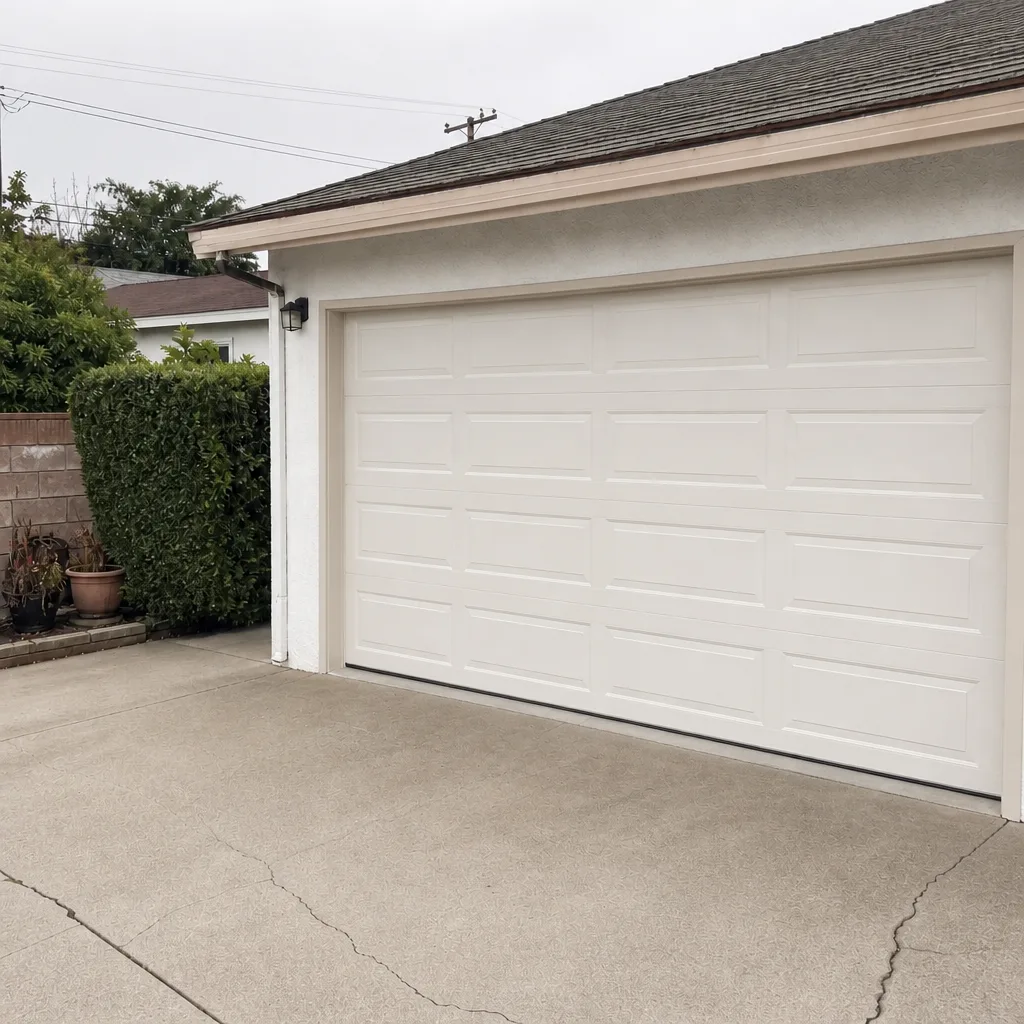 After
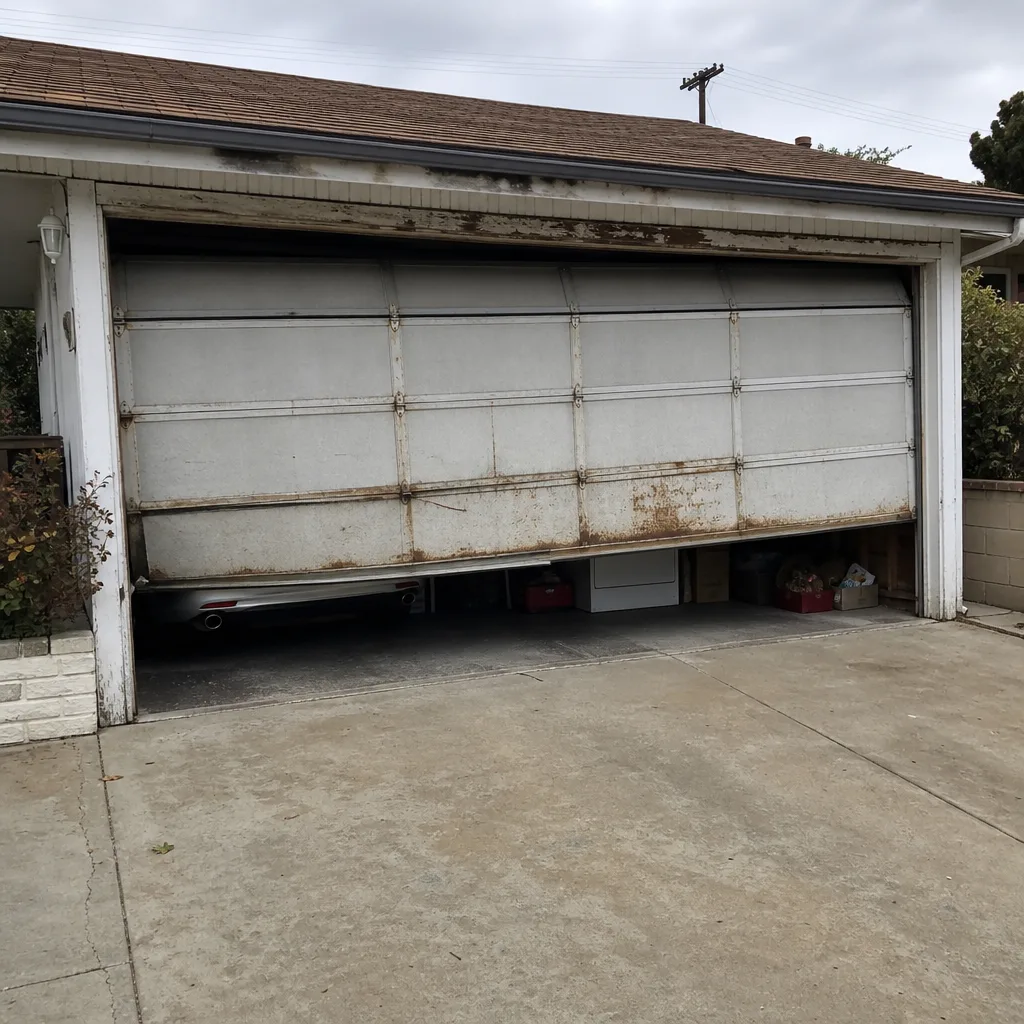 Before
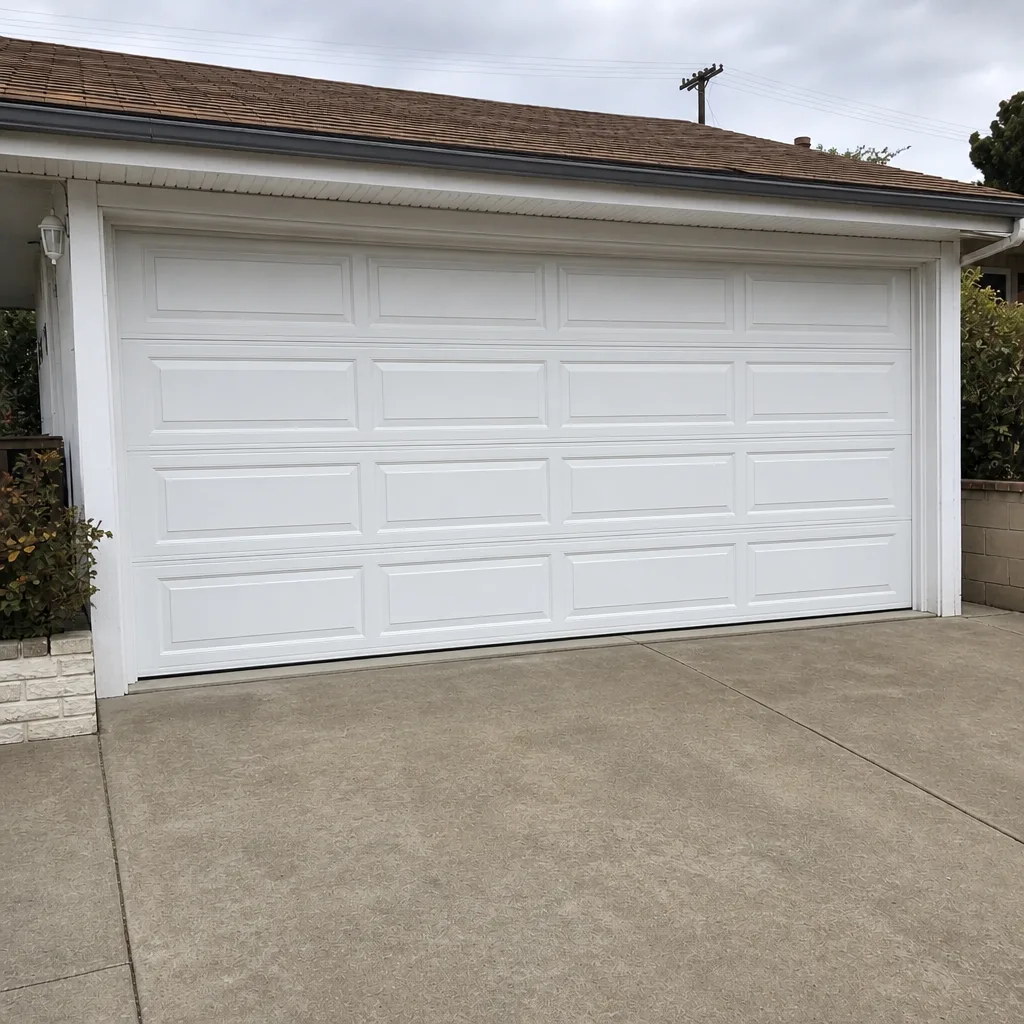 After
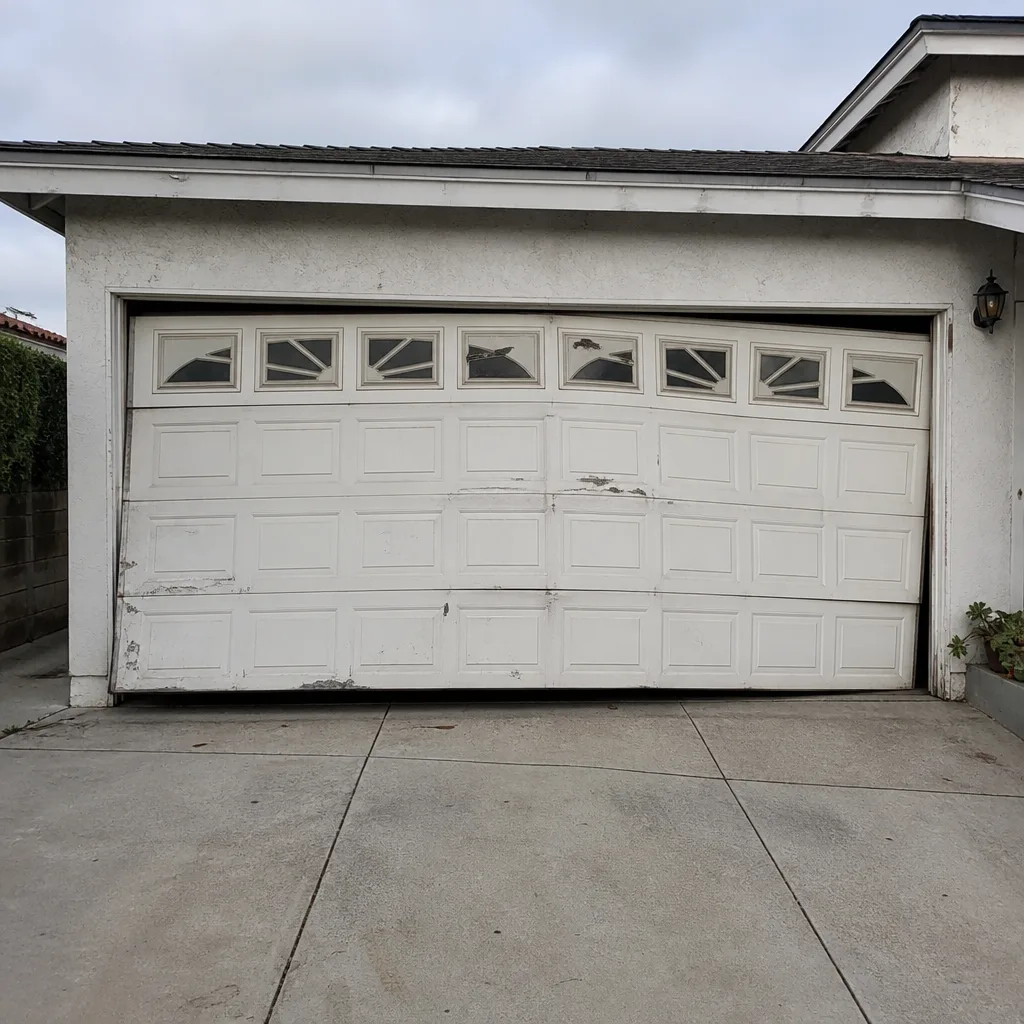 Before
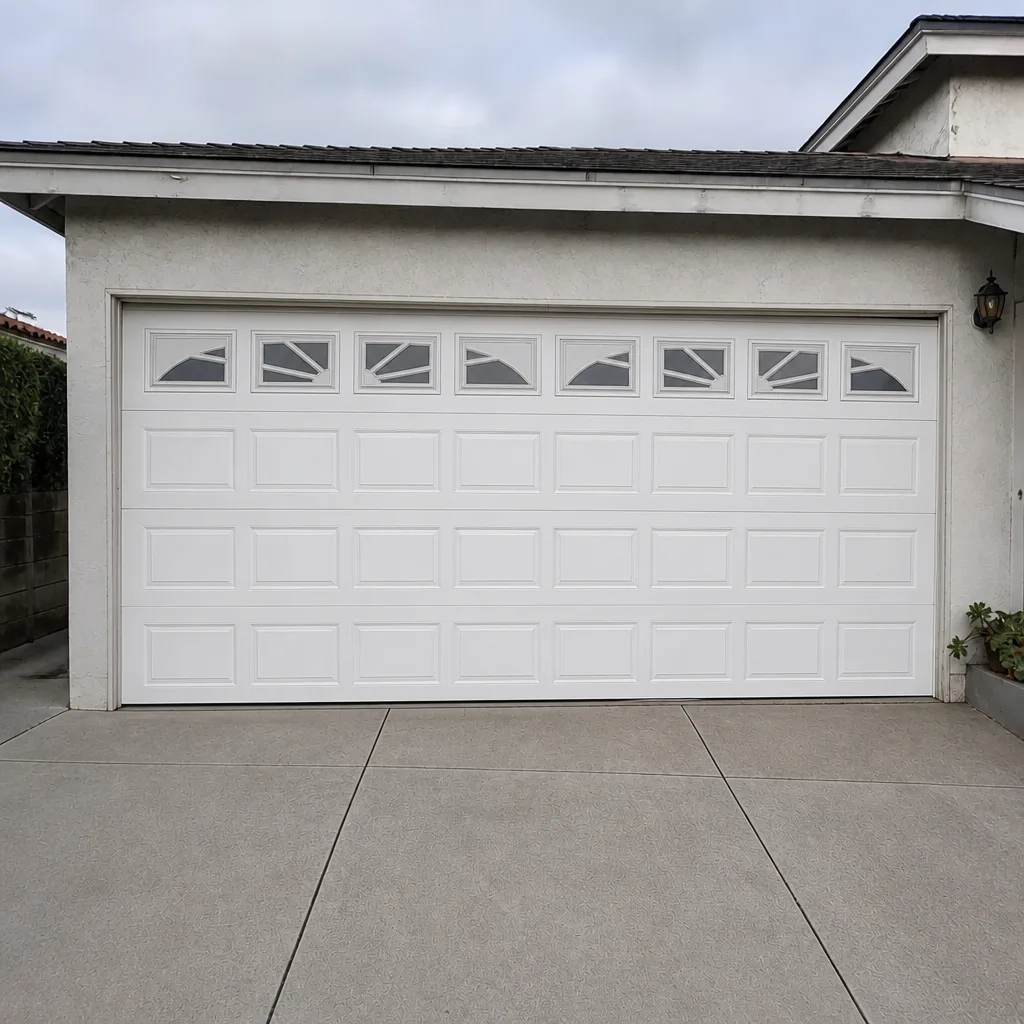 After