
Last updated November 4, 2026
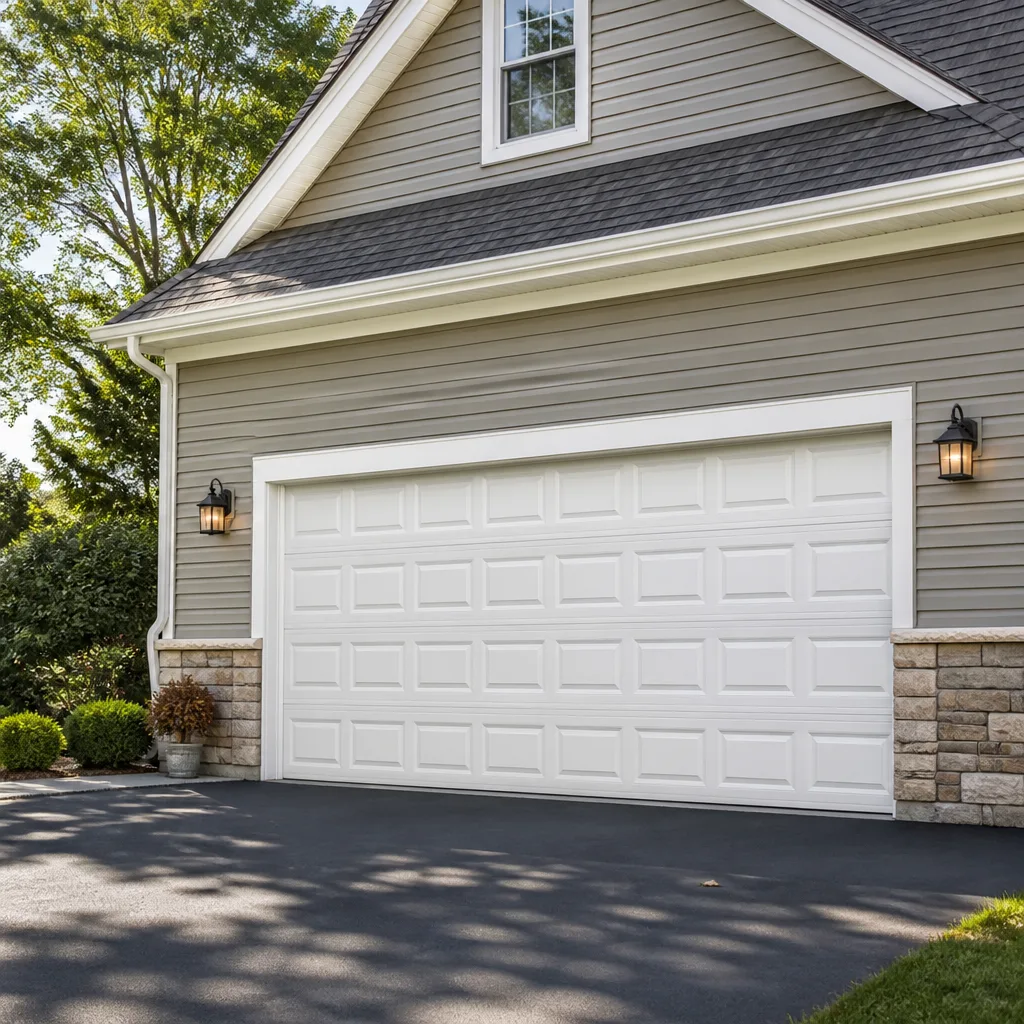 Raised-panel steel
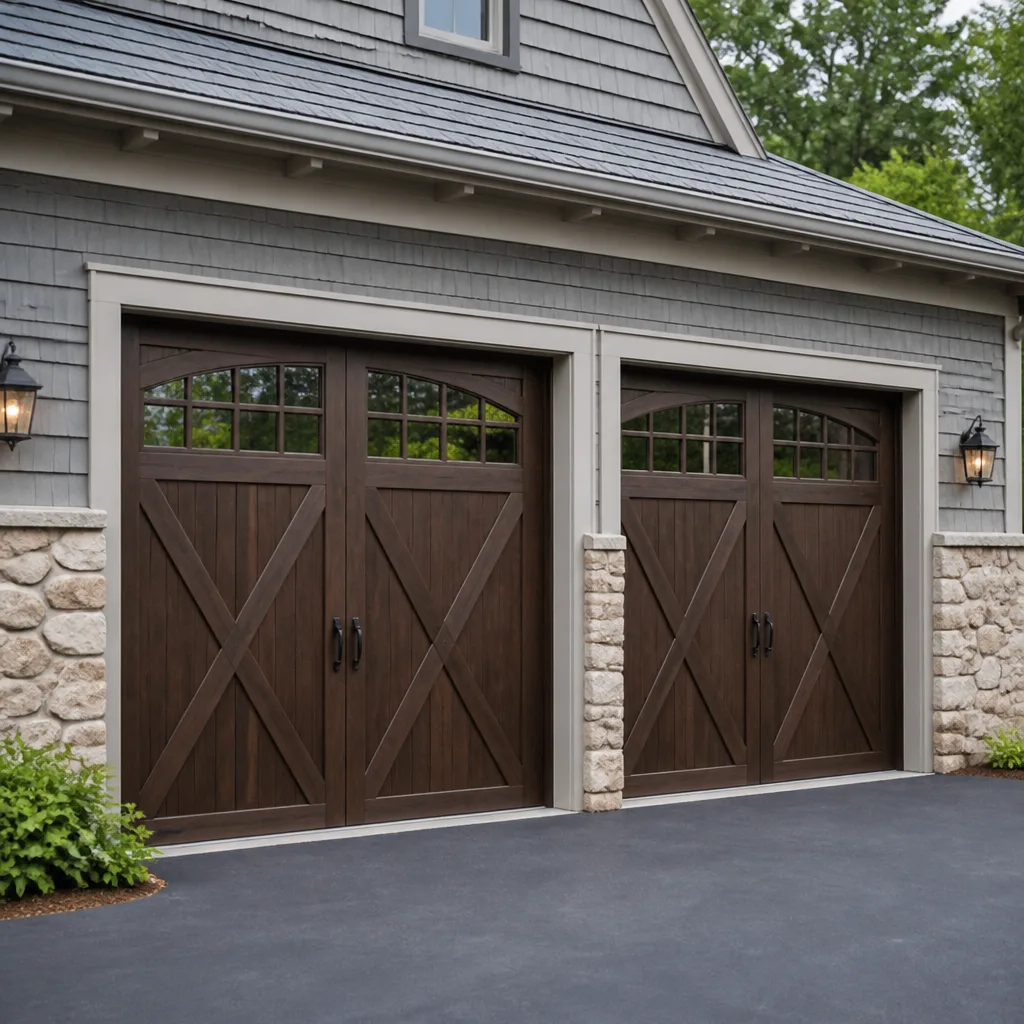 Carriage house
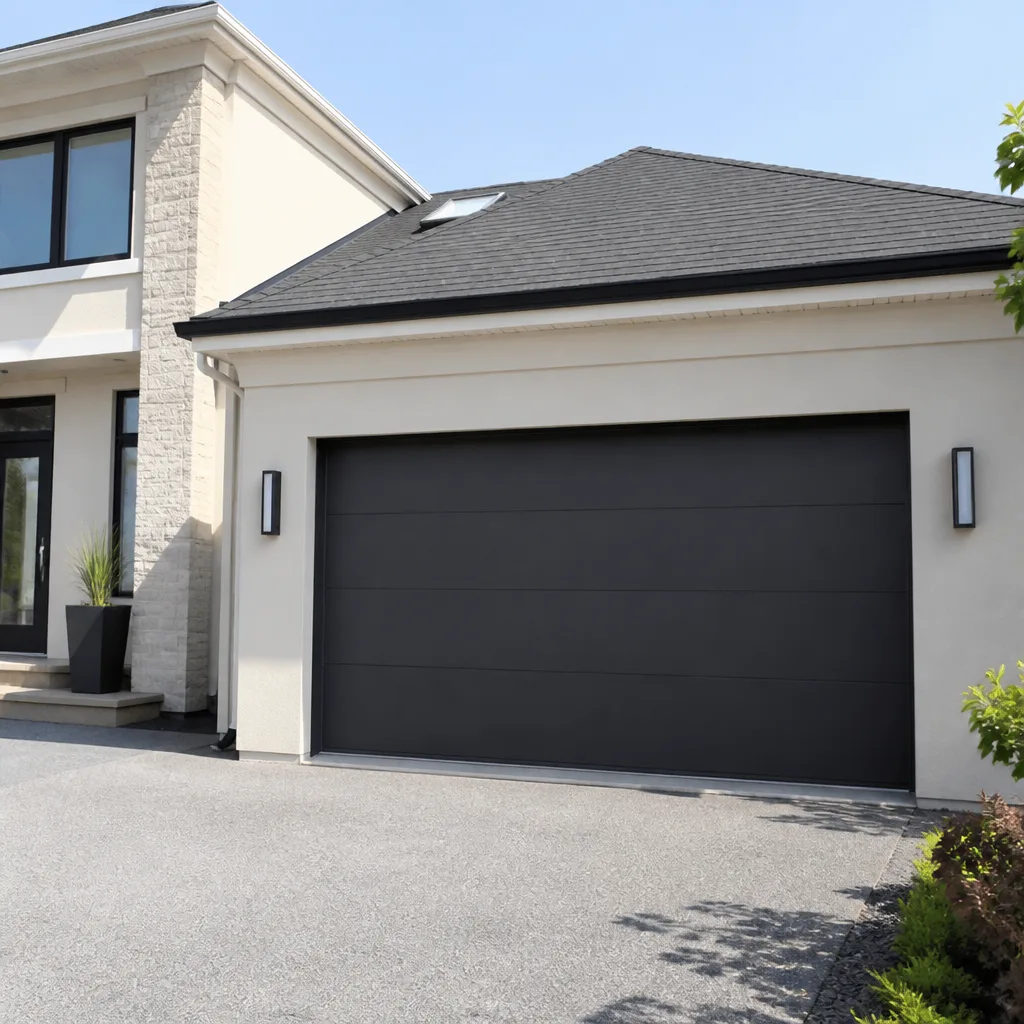 Modern flush
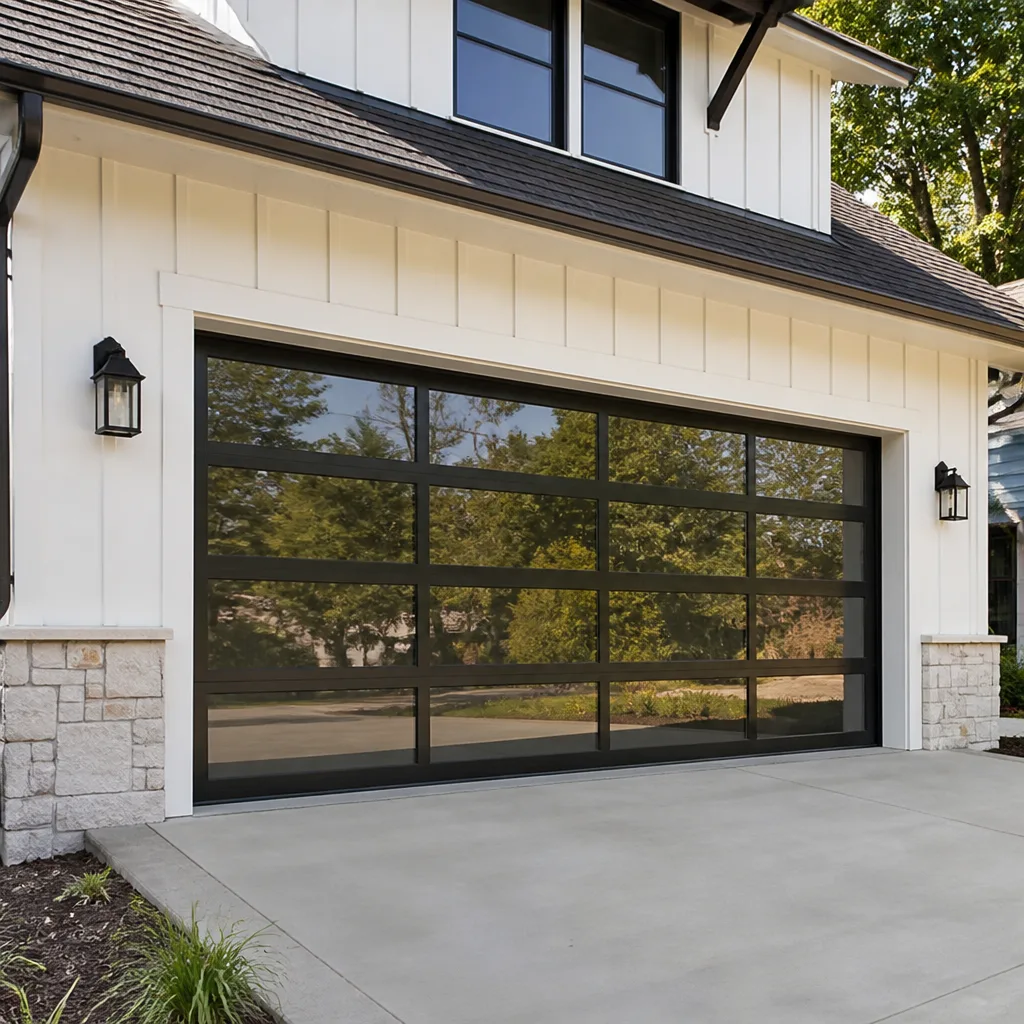 Full-view glass
 LiftMaster openers
 Chamberlain openers
Full 25-point door and opener safety check with every visit - springs, cables, rollers, tracks, and your LiftMaster or Chamberlain opener included
You get a price before we start. It does not change when the truck arrives.
Get your free estimateGarage Door Repair Troubleshooting in Monterey Park: Common Problems and How to Fix Them
Most homeowners in Monterey Park call us describing a symptom: “it’s grinding,” “it’s slow,” “the remote stopped working.” But a garage door is a system, and the symptom is almost never the story. A grinding sound is rarely a broken opener, and an uneven close is rarely a track problem. The noise is feedback from the failing component. If you learn to read that feedback correctly, you’ll either fix the issue yourself in ten minutes or know exactly what to tell a technician when you call. This guide teaches you that diagnostic language, with specifics for Monterey Park’s climate and housing stock. Whether your door won’t open or your opener won’t respond, this tells you where to look first, what’s safe to touch, and when to hand it over.
Quick Answer
Garage door troubleshooting in Monterey Park starts with identifying whether the failure is mechanical (springs, cables, rollers, tracks, panels) or electrical (opener motor, logic board, sensors, wall button, remote circuit). Most mechanical failures announce themselves through specific sounds and movements, while most electrical failures show up as unresponsiveness, phantom operation, or reversal. Safe DIY checks are limited to sensor alignment, obstruction clearance, visual spring inspection, and balance testing; anything involving torsion springs, cable tension, or opener internals belongs with a professional.
Styles & brands we work with
- Raised-panel steel
- Carriage house
- Modern flush
- Full-view glass
- LiftMaster openers
- Chamberlain openers
Table of Contents
- Symptom-to-Component Mapping: What Your Door Is Actually Saying
- Monterey Park Humidity and Metal Fatigue: Why Season Changes Matter
- Three Safe DIY Checks Before You Call
- Why Resetting the Opener Is the Worst First Step
- Door System vs. Wall Button Circuit: Where the Problem Actually Lives
- Brand-Specific Quirks We See in Monterey Park Garages
- Spring Failure: The One Problem That Will Not Wait
Symptom-to-Component Mapping: What Your Door Is Actually Saying
Every garage door system speaks a consistent language. The sound, the speed, the direction, the hesitation. Once you know the vocabulary, diagnosis becomes obvious. Here’s what we hear most in Monterey Park garages.
Grinding or whirring, door barely moves
This is a stripped plastic drive gear inside the opener housing. The motor runs, but the gear that transfers motor force to the drive mechanism has shed its teeth. Homeowners almost always assume the motor is dead and need a new opener. They don’t. The gear is replaceable, and it’s a standard repair for LiftMaster, Chamberlain, and Craftsman units. If your Craftsman or LiftMaster opener hums and grinds but the door stays put, this is the likely culprit.
Door closes unevenly, one side hits the ground first
This points to cable issues, not track alignment. The lift cables on both sides share the load of the door. When one cable stretches, frays, or slips off its drum, the door descends crooked. In our experience, the track is almost always fine; it’s the cable that gave way. Cables are under high tension and are not a DIY repair.
Door reverses before touching the floor
This is nearly always a sensor or limit switch talking. If the safety sensors near the floor are misaligned, dirty, or getting intermittent signal, the opener interprets it as an obstruction and reverses. The fix might be as simple as cleaning the lens and squaring the brackets. If the sensors are aligned and the door still reverses, the close-limit setting has drifted or the logic board is failing. Reversing is a protective action, not a random one, so the system is telling you something specific.
Slow, jerky movement
Cold rollers, dry bearings, or a door that’s slightly out of balance will move sluggishly. The opener motor is working against unnecessary resistance. Replacing nylon rollers and lubricating the hinges and springs with a silicone-based lubricant often smooths this out. If the door still fights the motor after lubrication, you likely have a spring losing tension.
Loud bang, door slams or won’t lift
That bang is a torsion spring breaking. It is the most dramatic and dangerous failure in the system. A broken spring means the door’s weight is now unmanaged by the opener, and the door can drop with lethal force. Do not attempt to lift the door. Do not stand under it. Call a professional.
Door opens fine, won’t close
This is almost never the motor. The door that opens freely but refuses to close is being stopped by the safety circuit or the close-limit. Check the sensors first. Then check whether anything is blocking the beam path near the floor. A stray broom, a leaf, or even a cobweb in the sensor’s line of sight can halt the closing cycle.
The takeaway: match the behavior to the component, not to the whole door. A noisy opener isn’t necessarily a bad opener. An uneven door isn’t a track problem. When you describe symptoms accurately, you save the diagnostic time and get to the fix faster. That’s the difference between a guessed repair and a diagnosed one.
Monterey Park Humidity and Metal Fatigue: Why Season Changes Matter
Monterey Park sits inland enough to escape direct coastal moisture, but the air still carries humidity from the Pacific influence. That matters for metal garage door parts. Hinges, springs, rollers, and cable drums all respond to moisture swings over time. Surface rust develops, particularly on older doors that haven’t been serviced in years.
What does that look like in practical terms? Rusted hinges bind and squeak. Rusted springs corrode and lose tension, sometimes snapping earlier than expected. Sensor brackets shift as the mounting hardware oxidizes and loosens, which is why Monterey Park homeowners often notice sensor issues in the spring when temperature and humidity fluctuate week to week. The metal expands and contracts, the brackets drift, and the sensor beam misaligns.
Here’s what to check seasonally:
- Springs: Look for rust streaks or a powdery orange film. Light surface rust doesn’t mean immediate failure, but it’s a sign that the spring’s coating has compromised and fatigue is underway.
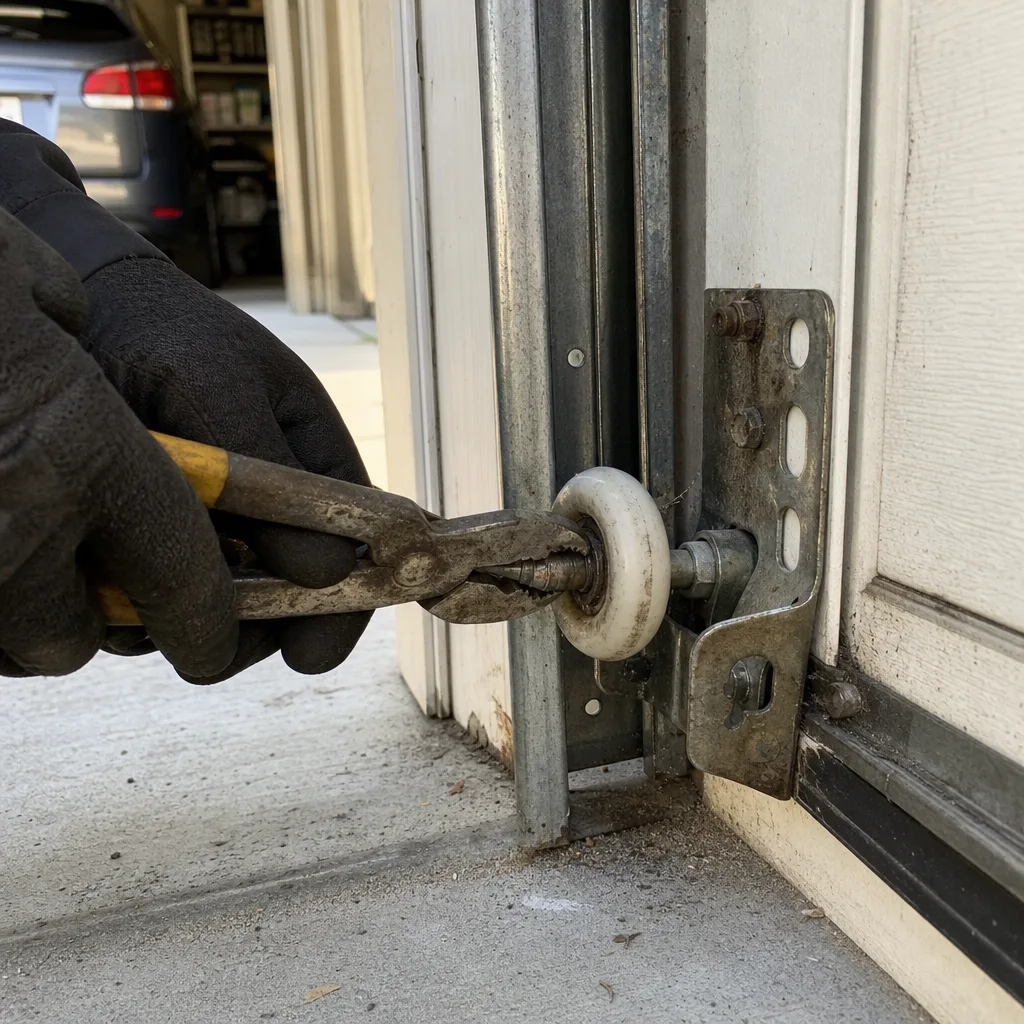
- Hinges and rollers: Listen for squeaks during operation. A quick silicone lubrication keeps these moving smoothly and prolongs their service life.
- Sensor brackets: Give them a gentle push. If the housing wiggles, the bracket has loosened and alignment will drift.
- Cable drums: Inspect for rust at the edges. Rusted drums can fray lift cables as they wind.
None of these are urgent by themselves, but each one is a warning. Address the warning and you avoid the midnight failure. Ignore it and the component fails on the one morning you’re running late. Humidity doesn’t rush; it accumulates. Your maintenance should do the same, a little check every few months, especially if your door lives outside the conditioned envelope of your Monterey Park home.
Three Safe DIY Checks Before You Call
You don’t need tools for most garage door diagnostics. You need observation and a few minutes. These three checks are safe for any homeowner and will resolve a surprising number of common complaints. This is where safe ends and professional begins: the checks below never require you to touch the torsion spring, remove the cable, or open the opener housing.
1. The balance test
- Pull the emergency release handle (usually a red cord hanging from the opener rail) to disconnect the door from the opener.
- Manually lift the door to chest height.
- Release it gently.
A properly balanced door stays in place, neither rising nor dropping. If it falls, the springs are losing tension. If it rises, the springs are over-wound or the opener was carrying weight it shouldn’t. Either way, the springs need attention. A door that won’t hold at chest height is a door that puts excessive strain on the opener and the cables, and it’s worth a professional look.
2. The sensor alignment check
- Locate the two safety sensors at the base of the door, one on each track.
- Check the small indicator lights. Most sensors show a solid green or solid red light when aligned.
- If one light is blinking or out, gently adjust the bracket until the light stabilizes.
- Wipe the lenses with a dry cloth.
Misaligned sensors are the single most common cause of a door that reverses before closing. Five minutes and a steady hand often solve it.
3. The visual spring inspection
- Look at the torsion spring mounted above the closed door (it runs horizontally along the wall header).
- Check whether it looks like one continuous spring or two separate pieces.
- If you see a gap in the middle, the spring is broken. Do not attempt to open the door.
This is a look, not a touch. Torsion springs hold immense stored energy and are the most dangerous component in the system. If the spring is visibly separated, leave the door alone and call for service. If the spring looks intact but the door is heavy or unbalanced, the spring may be fatigued rather than broken, and that still needs professional adjustment.
These three checks cover the majority of what a homeowner can safely assess. Anything beyond this, cable tension, spring replacement, opener gear work, limit switch calibration, involves components that can cause serious injury. We always recommend a trained professional for those.
Why Resetting the Opener Is the Worst First Step
The most common first instinct when a garage door misbehaves is to pull the power plug, wait thirty seconds, and plug it back in. Technically it’s called a power cycle. Practically, it’s a way to erase the evidence. We understand why homeowners do it; it’s the same instinct we have with a frozen router. But a garage door opener is not a router.
Here’s the problem. The opener’s logic board monitors inputs from the sensors, the limit switches, the wall button, the remote receiver, and the motor’s own feedback sensors. When something malfunctions, the board often records the error behavior before shutting down or acting erratically. A diagnostic reading can identify whether the issue is a failing capacitor, a sensor circuit grounding out, a wall button short, or a logic board on the way out. If you reset the opener first, that diagnostic trace is gone. The opener loses the error state, and the technician now has to wait for the problem to recur, which it will, often unpredictably.
There’s a second issue: resetting masks intermittent problems. A wall button that shorts when the temperature shifts, a sensor wire that loses contact when the wind rattles the track, a capacitor that drains and recharges. These are exactly the problems that disappear after a reset and reappear days later. The homeowner cycles through hope and frustration, resetting the opener a dozen times, while the underlying wiring or board issue gets worse.
A better approach: do the three safe checks above first. Then, if the door still misbehaves, leave the opener powered and note the symptoms. What exactly did it do? What sounds did it make? Did the lights flash in a pattern? Those details are worth more than any reset. A garage door opener repair in Monterey Park starts with accurate observation, not a clean slate.
One exception: if the opener has tripped its built-in overload protection after a long power interruption, a single power cycle may restore normal operation. But that’s the exception, not the rule. If you reset once and the problem returns, stop resetting and start diagnosing.
Door System vs. Wall Button Circuit: Where the Problem Actually Lives
One of the most expensive and unnecessary service calls is the one where the door system is fine, and the problem is entirely in the wall button or remote circuit. This happens more often than you might expect. The door’s mechanical system and the opener’s control circuit are two different things, and failures in the control circuit can imitate mechanical breakdowns.
Here’s how to tell them apart.
Test the wall button first
Stand clear of the door and press the wall button. Does the opener respond at all? A light click, a hum, a partial movement. If the wall button does nothing, try the remote. If the remote works but the wall button doesn’t, the wall button or its wiring is the problem. Wall buttons are inexpensive, and many are connected with low-voltage wiring that can corrode, especially in Monterey Park’s humid months. A short in that wiring can make the opener behave erratically, opening and closing on its own, or refusing commands entirely.
Test the remote separately
If the wall button works but the remote doesn’t, you’ve isolated the problem to the remote circuit. Check the battery. Check whether the opener’s antenna is hanging down and intact. Reprogram the remote if the opener’s code has been cleared. If a second remote also fails, the receiver on the logic board may be failing. This is a common failure in older Raynor and Genie openers. That’s a repair, not a replacement, in most cases.
Phantom operation
A door that opens or closes on its own, with no one pressing anything, is almost always a wiring short or radio interference. In Monterey Park’s older housing stock, we’ve seen wall button wires that have rubbed through insulation and shorted against the door track, sending random signals to the opener. This is not a ghost and not a logic board problem. It’s a physical short that needs to be found and repaired.
Neither remote nor wall button works
If both fail, and the door also won’t operate manually, the issue is likely in the opener’s power supply or its internal circuit. Check the outlet, check the breaker, then call. The opener may need a capacitor, a gear, or a logic board. One call covers the whole door, including the opener diagnostics.
The point is to isolate before you replace. Many a working opener has been replaced because a wall button wire was shorting. Many a remote has been tossed because the battery terminal had corroded. A few minutes of methodical testing saves a lot of money and frustration.
Brand-Specific Quirks We See in Monterey Park Garages
Every major garage door and opener brand has its predictable failure points. After 14 years of working exclusively on garage doors in Monterey Park, we have developed working familiarity with the eight most common brands, and that matters because each one fails in its own way.
LiftMaster and Chamberlain
These two brands share parentage and many internal components. The most common failure we see is the plastic drive gear, which strips over time and produces that grinding noise we described earlier. The fix is a gear replacement, not a new opener. These openers also have very sensitive safety sensor circuits. A slight alignment drift shuts down closing entirely. The good news: both brands use durable motors, and a repaired unit often runs for years afterward.
Craftsman
Craftsman openers are workhorses, but the older models have a known weakness in the wall button and the logic board connectors. Phantom operations and intermittent unresponsiveness are more common on Craftsman units than on any other brand we service. The mechanical door itself is usually fine. If your Craftsman opener acts like it has a mind of its own, it’s probably the control circuit, not the door.
Raynor
Raynor doors are generally well-built, but their steel cable drums and roller carriers show rust earlier than some competitors in Monterey Park’s humidity. That means cables fray and rollers bind on Raynor doors that otherwise look fine from a distance. The door’s structure may be perfectly solid while the hardware around it degrades. Regular lubrication and hardware inspection are especially important for Raynor installs.
We also regularly service Chamberlain, Genie, Clopay, Amarr, and Wayne Dalton systems, but the three above are the ones we mention most when a Monterey Park homeowner asks “what usually goes wrong with my brand?” Knowing the brand tells us where to look first. Diagnosed, not guessed.
Spring Failure: The One Problem That Will Not Wait
Every garage door has springs, and every spring has a service life. Torsion springs are rated for a certain number of cycles, typically in the tens of thousands. Each cycle is one full open-and-close. For a homeowner who uses the garage door four or five times a day, that life span works out to roughly a decade, sometimes less in Monterey Park’s humid climate if rust accelerates metal fatigue.
When the spring breaks, the door doesn’t open. The opener may strain, the cables may slack, and the door may drop suddenly if it was open when the break occurred. This is not a repair that can wait. A single-car garage door can weigh 150 to 250 pounds, and a two-car door can weigh significantly more. Without functioning springs, that weight is unmanaged by the opener’s force alone. Lifting the door manually puts you at risk of a crush injury.
Signs that a spring is nearing failure:
- Visible rust spreading along the coils
- A door that feels heavier than it used to
- A door that creaks or pops during operation
- Uneven gaps appearing between coils
- One side of the door lifting slightly faster than the other
Spring replacement is always a professional job. The spring is under enough tension to cause severe injury or death if it releases unexpectedly. We do not recommend any DIY approach to spring work, and no reputable garage door company would suggest otherwise. If your spring has snapped or is showing fatigue signs, call for service. Stonegate Garage Door Repair offers free estimates in Monterey Park, and a spring replacement is a same-day repair in most cases. Built to last, fixed to last.
Common Mistakes to Avoid
- Resetting the opener before checking anything else. A power cycle wipes the diagnostic trace and masks intermittent problems. Check the sensors, springs, and cables first. Leave the opener powered so a technician can read what the logic board saw.
- Lubricating the track. Garage door tracks are designed to run dry. Grease or oil on the track attracts dust and grit, which then grinds into the rollers. Lubricate the rollers, hinges, and springs instead, with a silicone-based product, never WD-40.
- Tightening every bolt you can reach. The door frame, track brackets, and opener mounts all have specific torque requirements. Overtightening warps tracks and pulls frames out of square. If a bolt is loose, snug it, but don’t crank it.
- Ignoring a slow or jerky door. A door that moves sluggishly is telling you the spring is fading or the rollers are binding. Waiting turns a $150 roller replacement into a snapped spring and a much larger repair.
- Replacing the opener when the wall button is the problem. A shorted wall button wire can make an otherwise healthy opener act erratically. Always test the wall button and remote separately before assuming the motor or board has failed.
- Standing under a door with unknown spring condition. A broken or fatigued spring can release without warning. Never walk under a garage door you haven’t visually inspected. Never pull the emergency release while standing directly beneath the door.
- Using a garage door that’s visibly uneven. An uneven door signals a cable problem, and continuing to run it can snap a cable completely, letting the door drop. If the door won’t close evenly, stop using it and call.
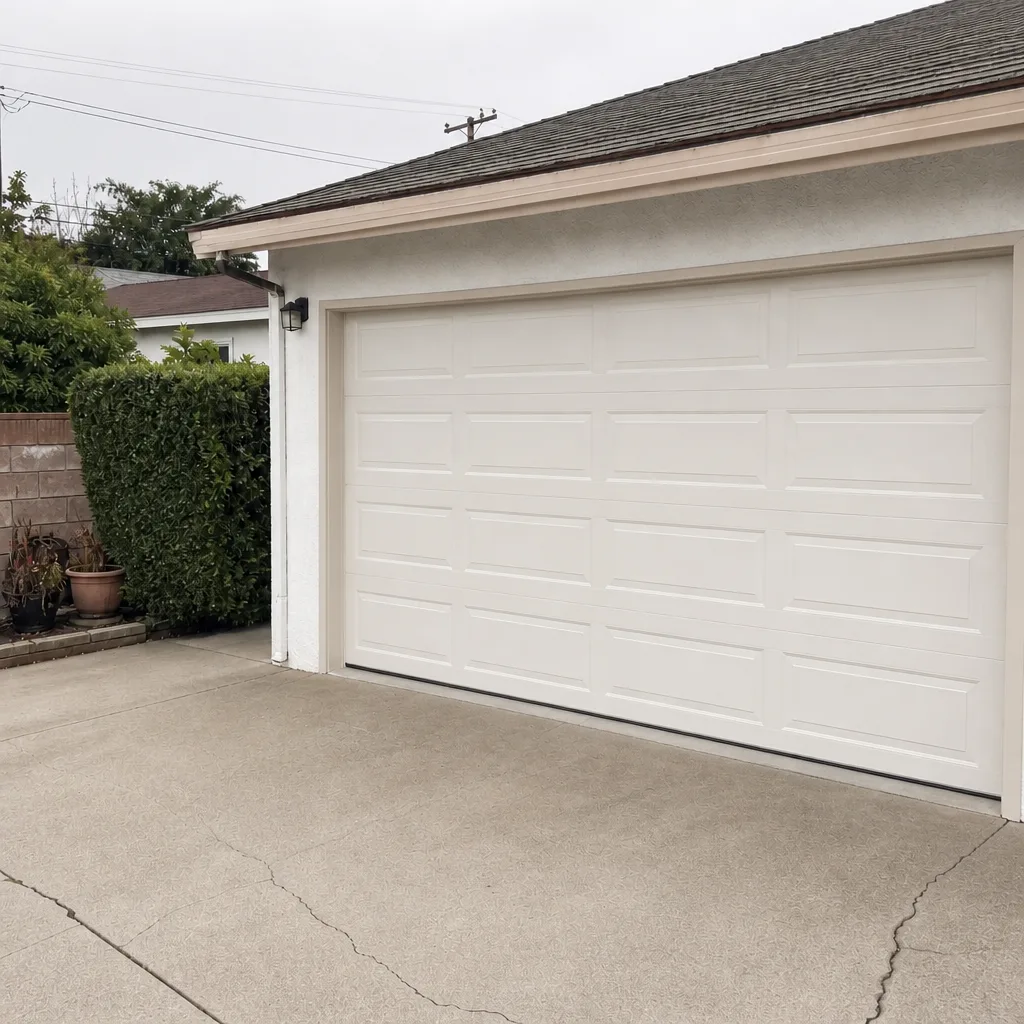
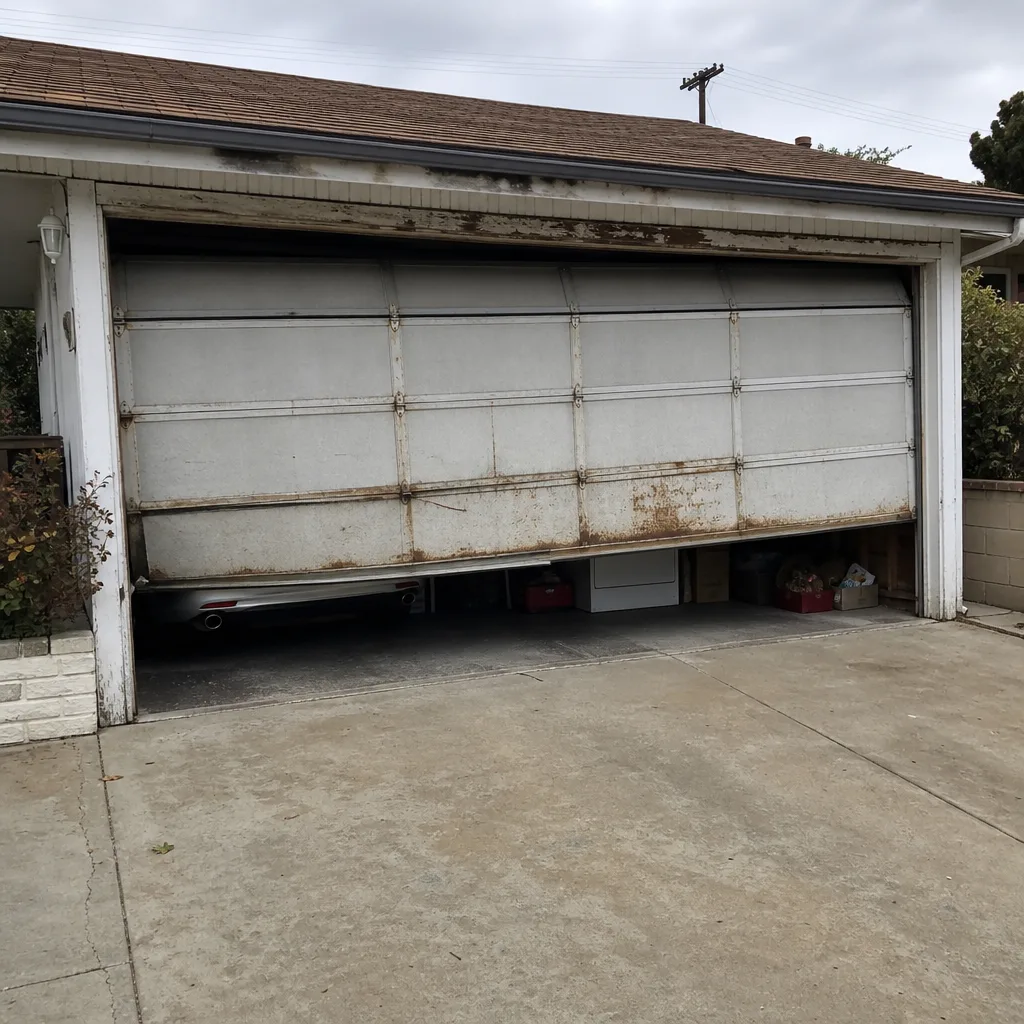
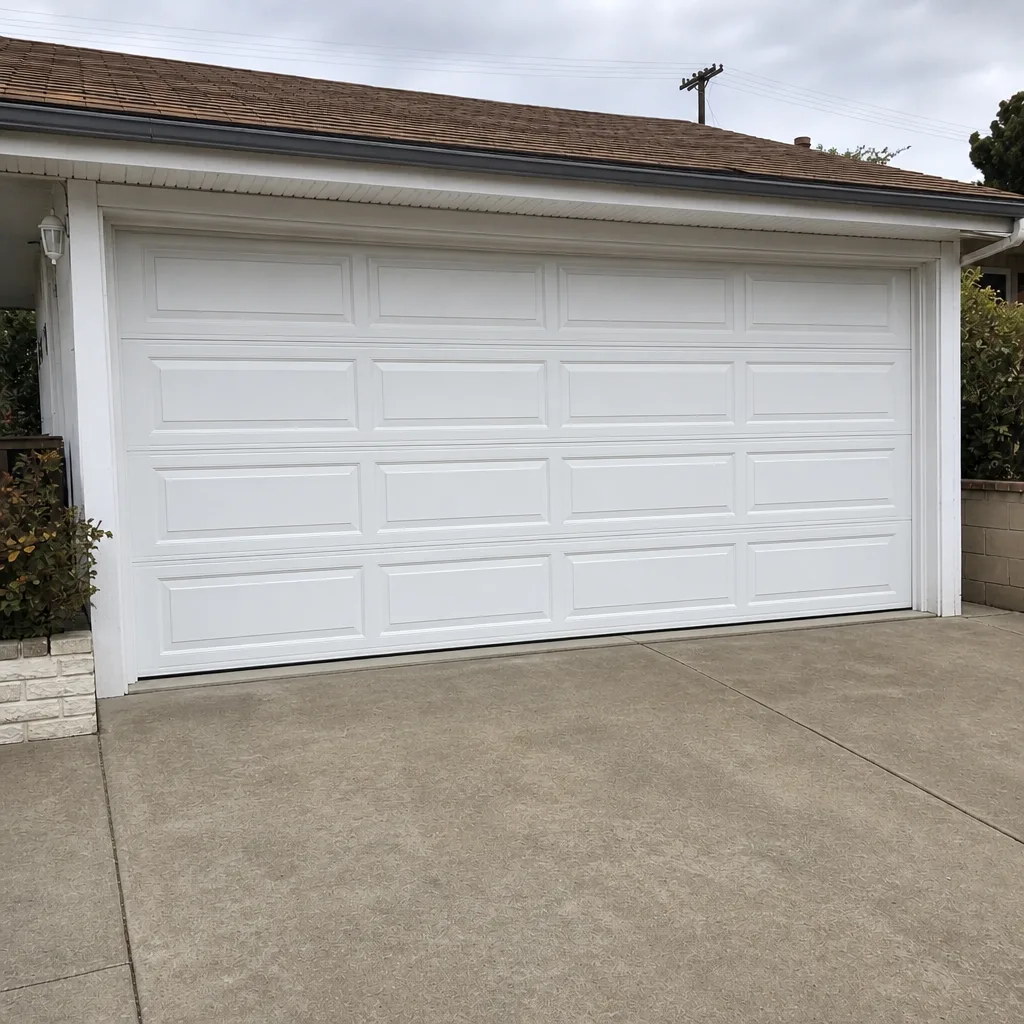
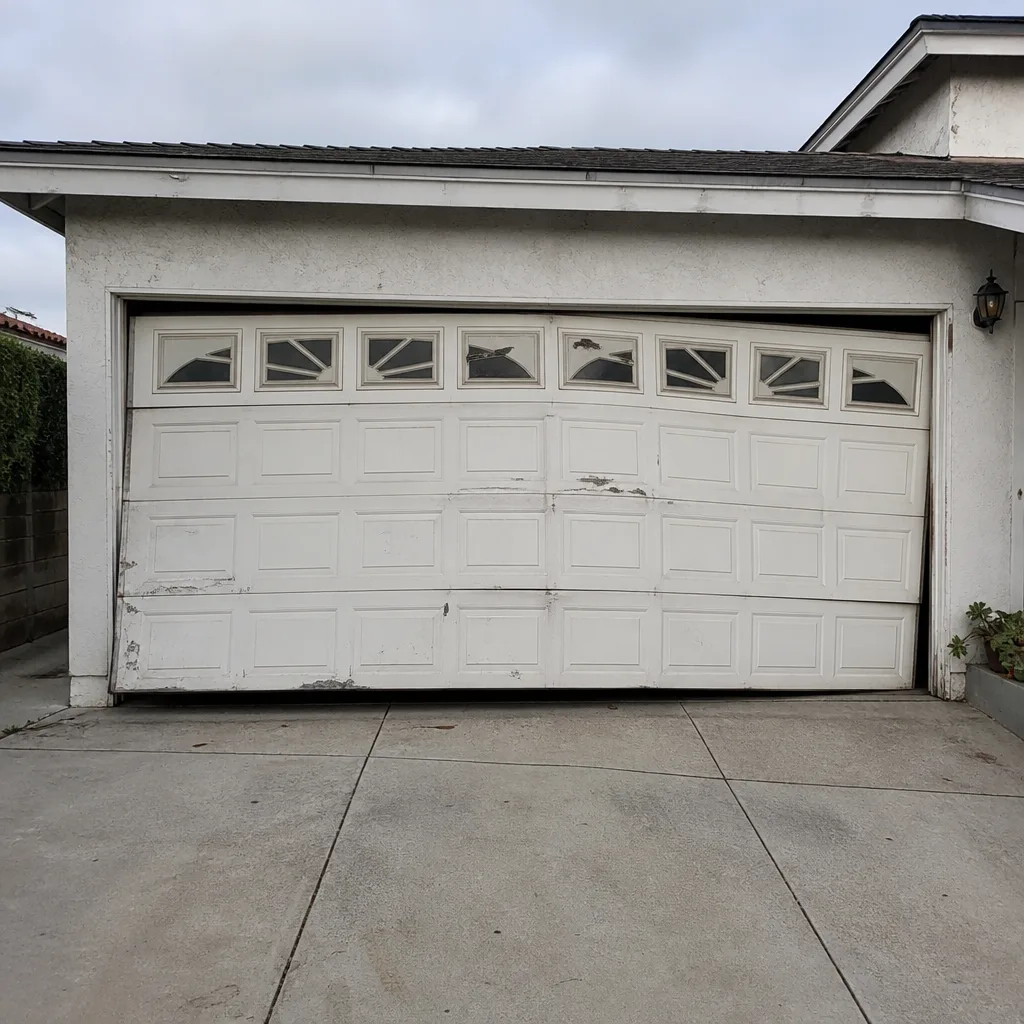
See the difference
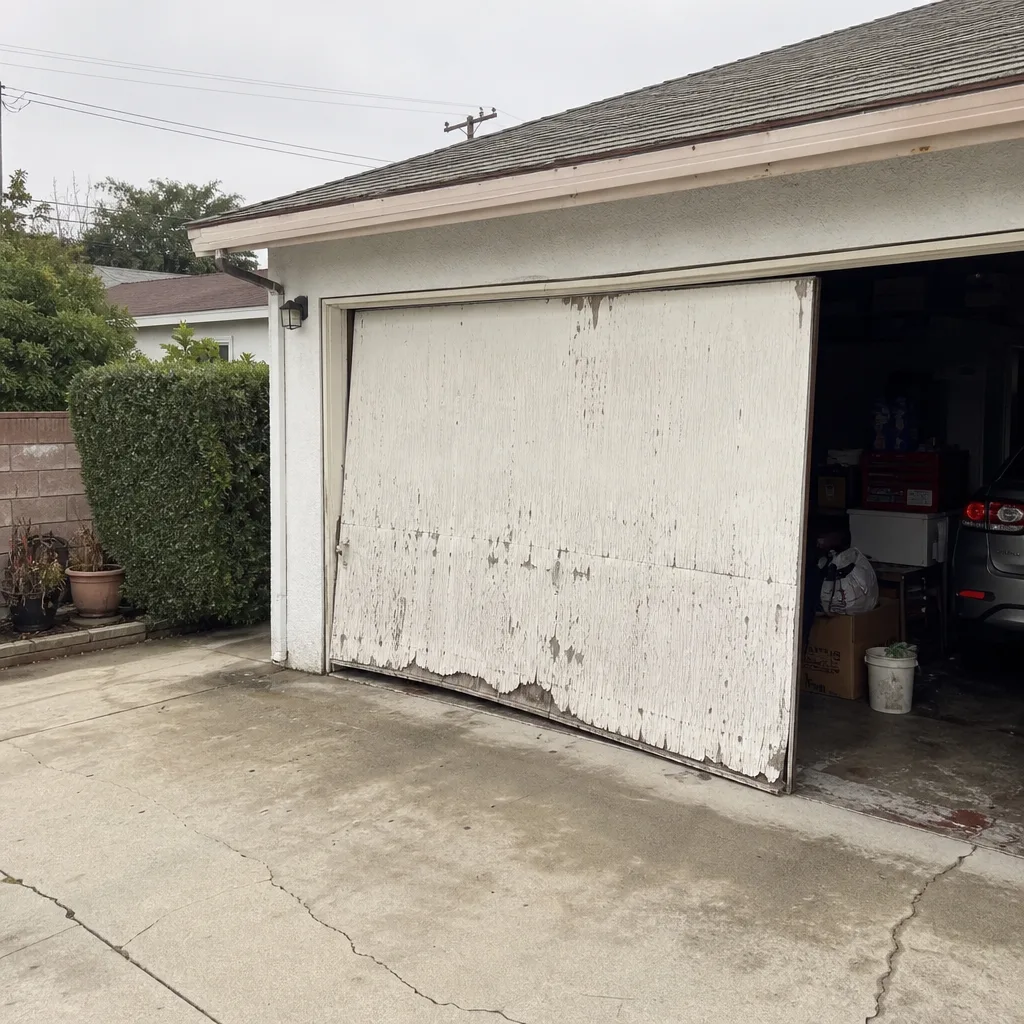 Before
 After
 Before
 After
 Before
 After
When to Call a Professional
Call a professional when the problem involves torsion springs, lift cables, opener internals, or a door that’s noticeably out of balance. If the door won’t open at all and you can see a visible gap in the spring, leave it closed and call. If the door slams shut, if the cables are frayed or dangling, if the opener smells like burning electronics, those are all stop-and-call situations. You should also call if you’ve done the safe checks and the problem persists or recurs. Stonegate garage door repair in Monterey Park is our specialty, and our technicians arrive already knowing the likely failure points for your brand. Call (844) 972-4229 for a free estimate. We answer 24/7. Fast dispatch from 7am to 7pm, Sunday through Friday.
Frequently Asked Questions
The most common reason is a misaligned or obstructed safety sensor near the floor, followed by a close-limit setting that has drifted. Check the sensor lights first, then call (844) 972-4229 if the issue persists. Estimates are free.
Typical garage door repairs in Monterey Park range from $150 to $400 for common issues like roller replacement, sensor realignment, or gear replacement, while spring replacement typically runs $250 to $500 depending on spring size and door weight. The written estimate sets the final price, agreed before any work starts. Call (844) 972-4229 for an exact quote.
Yes. Most mechanical repairs, including spring replacement, roller replacement, and opener gear repair, are completed the same day. Stonegate garage door opener repair is handled by technicians with the parts on hand for common failures. Call (844) 972-4229 early, and we’ll get you on the schedule.
No. We quote the repair after diagnosis and the written estimate is the price, agreed before any work begins. If we find something unexpected during the repair, we stop and discuss it with you before proceeding. There are no surprise invoices.
Most of the time, yes. We carry common springs, cables, rollers, sensors, gears, and wiring on the truck. If your door needs a less common part, we’ll order it and schedule the repair once it arrives. Monterey Park homeowners usually see same-day completion on standard repairs.
Surface rust doesn’t mean immediate failure, but it does signal that the spring coating has failed and fatigue is underway. If the door operates smoothly and feels balanced, you can use it while you arrange for inspection. If it feels heavy, jerky, or uneven, stop using it and call (844) 972-4229.
The Bottom Line
Garage door troubleshooting in Monterey Park comes down to reading behavior, not chasing symptoms. A grinding sound is usually a gear. An uneven close is usually a cable. A reversing door is usually a sensor or a limit switch. Do the three safe checks, skip the reset button, and isolate the wall button from the remote before you assume the worst. When the problem involves springs, cables, or opener internals, stop and call. Stonegate Garage Door Repair has served Monterey Park since 2012, with brand-specific knowledge across eight major manufacturers and one call covering the whole door.
Written by the team at Stonegate Garage Door Repair, serving Monterey Park since 2012.