
Last updated November 4, 2026
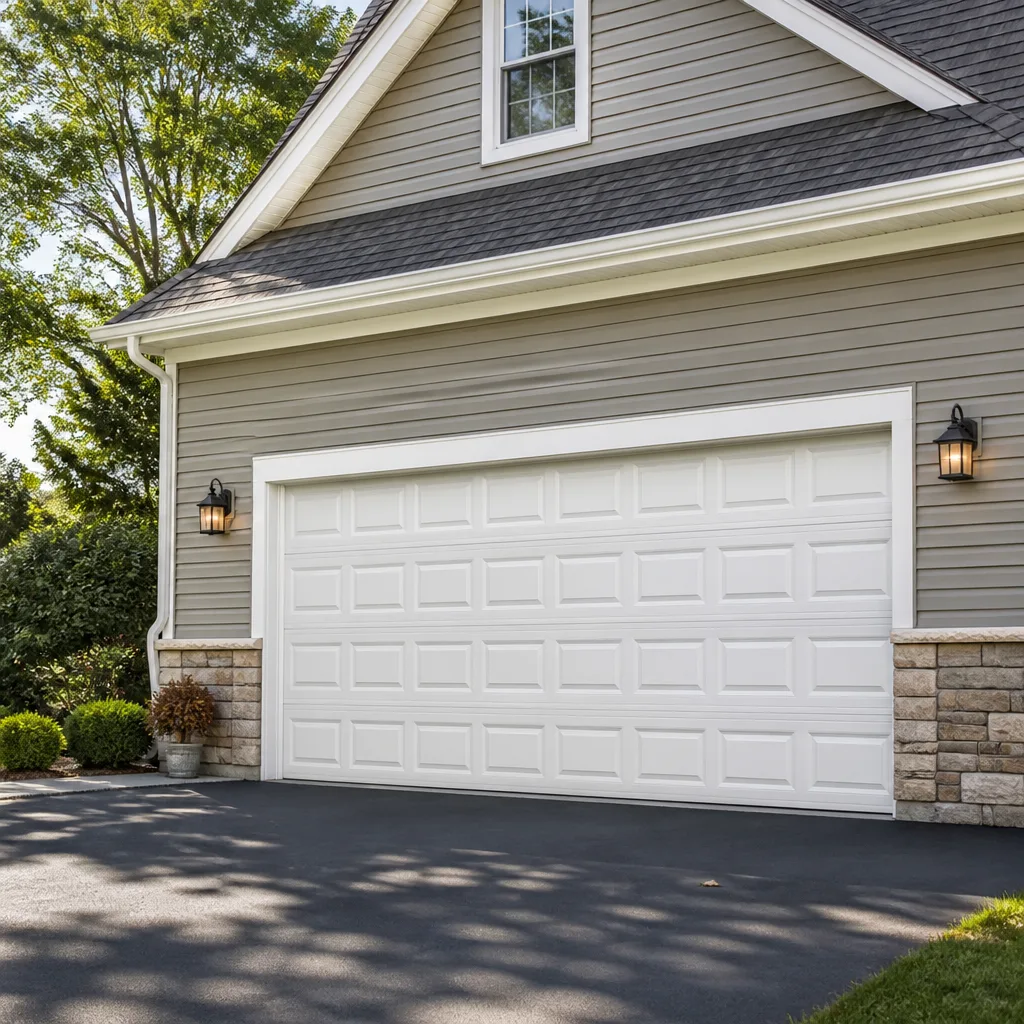 Raised-panel steel
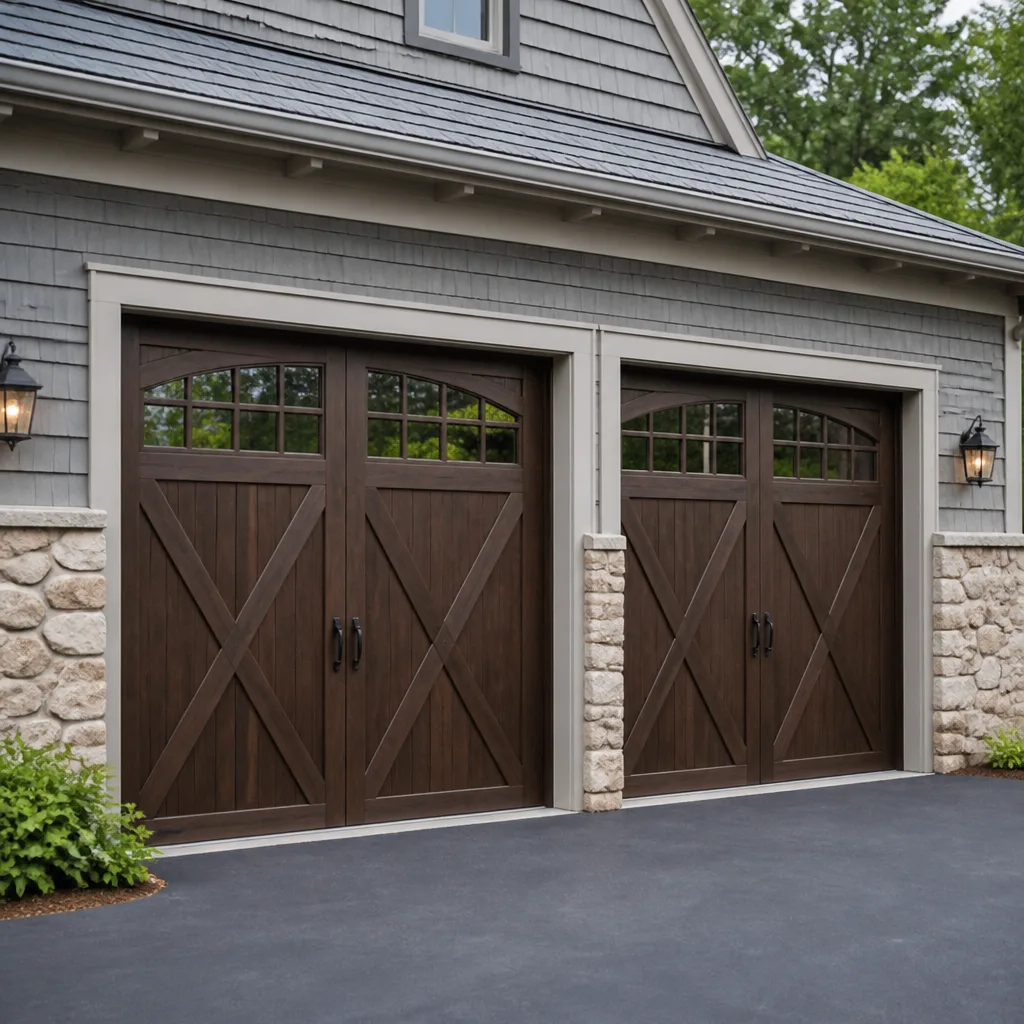 Carriage house
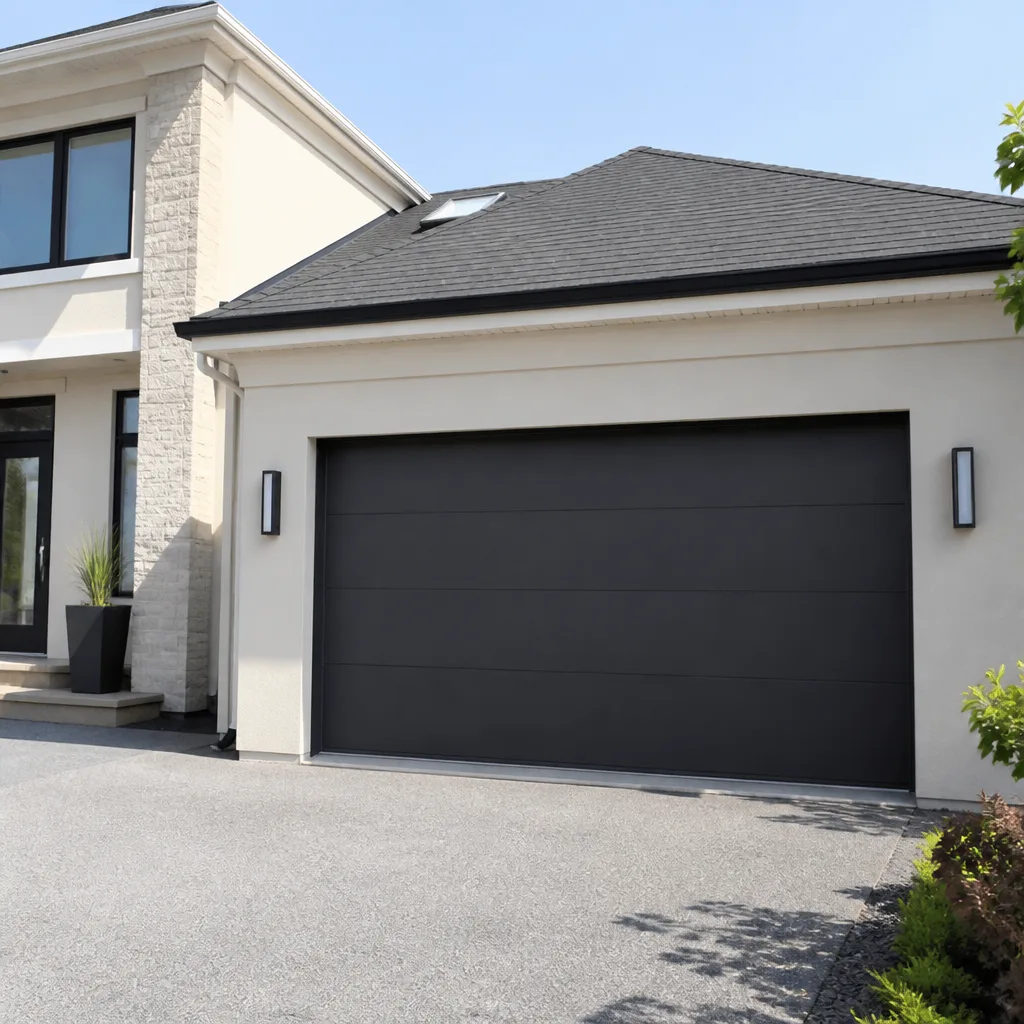 Modern flush
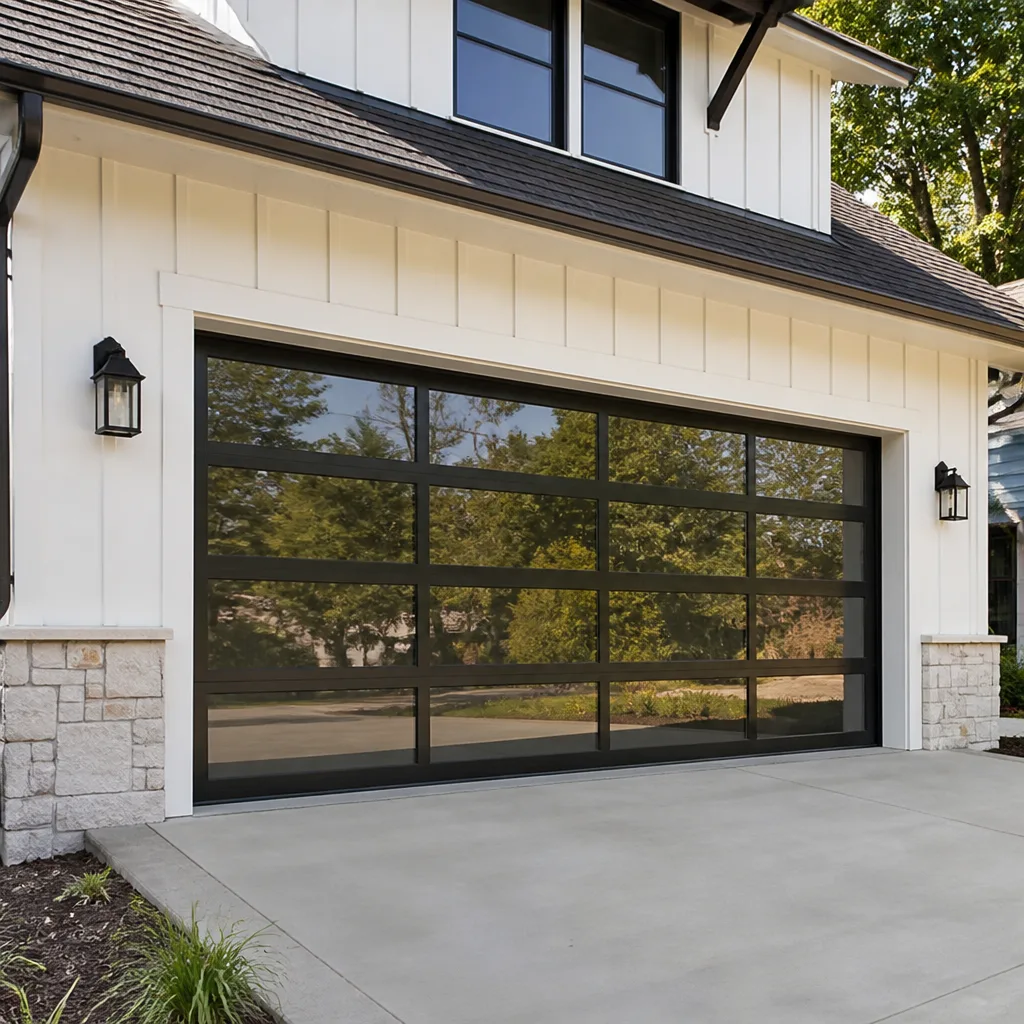 Full-view glass
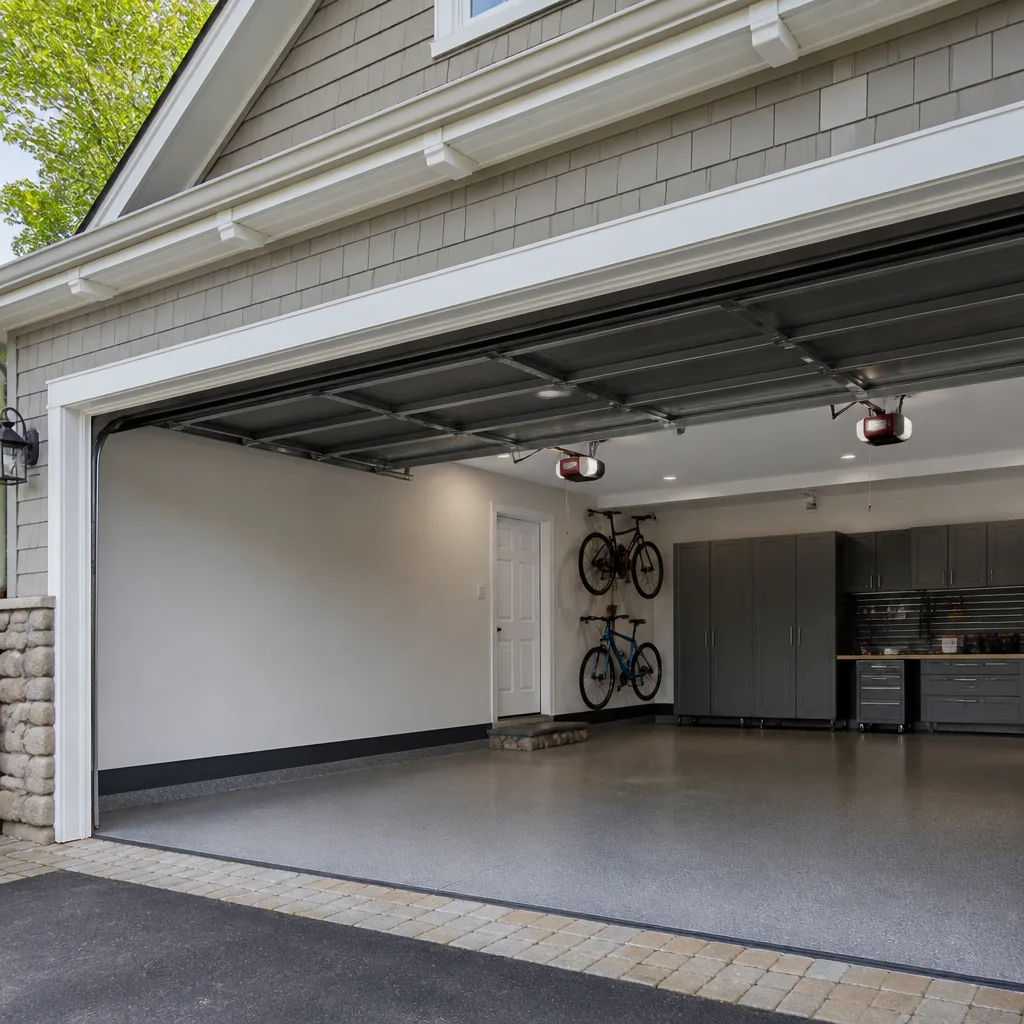 LiftMaster openers
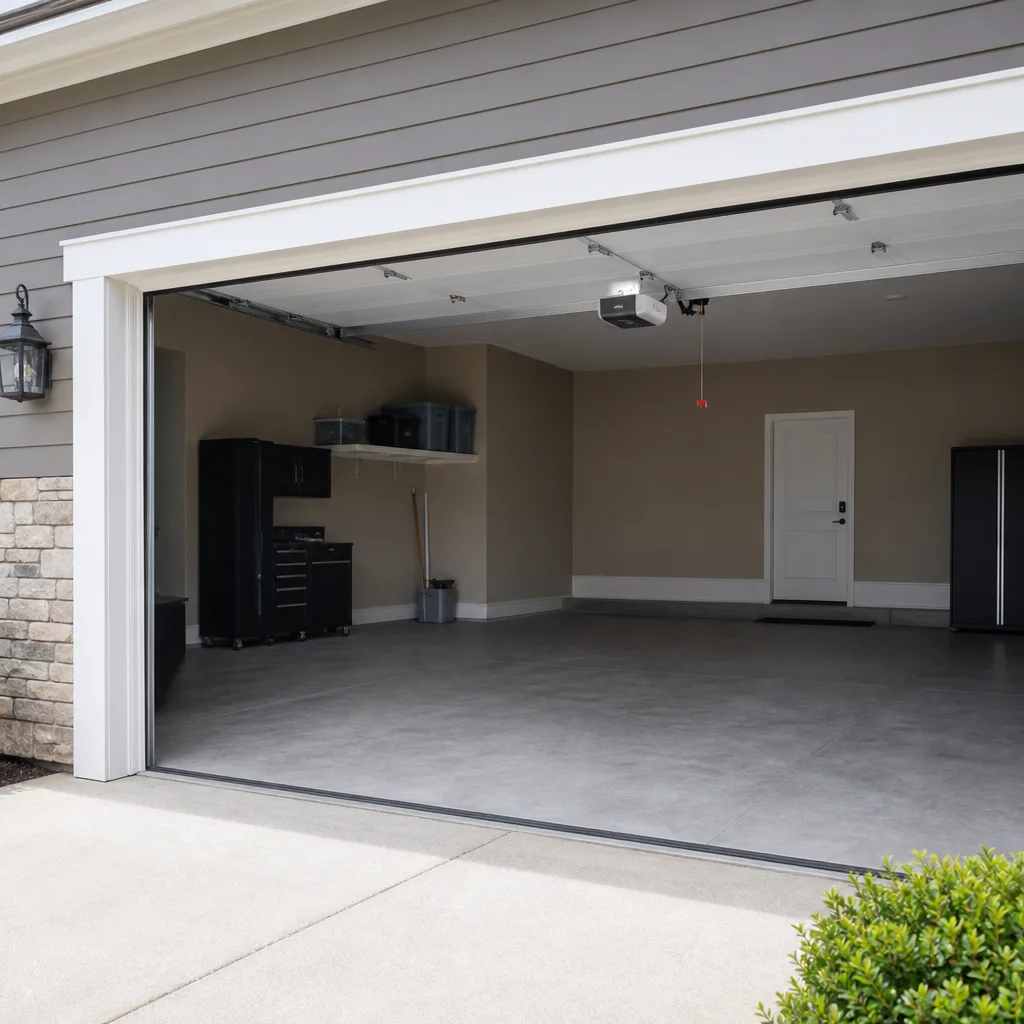 Chamberlain openers
Full 25-point door and opener safety check with every visit - springs, cables, rollers, tracks, and your LiftMaster or Chamberlain opener included
You get a price before we start. It does not change when the truck arrives.
Get your free estimateGarage Door Emergency Preparedness Guide for Monterey Park Homes
Most Monterey Park homeowners assume their garage door will work when they need it most. Then the power cuts out, a spring snaps, or the ground shakes, and the largest moving object in the house suddenly becomes a locked barrier between you and your car, your supplies, or your family. The uncomfortable truth is that the 1994 Northridge earthquake caught thousands of LA-area residents exactly this way. People fumbled in the dark for a manual release they had never located, on doors that had never been braced. That event changed California code forever, but three decades later, most older Monterey Park homes still reflect none of those lessons. This guide covers what actually fails during an emergency, the equipment and habits that prevent it, and the precise steps to regain control of your door when something goes wrong.
Styles & brands we work with
- Raised-panel steel
- Carriage house
- Modern flush
- Full-view glass
- LiftMaster openers
- Chamberlain openers
Quick Answer
Garage door emergency preparedness in Monterey Park comes down to three things: knowing where your manual release cord is and how to use it without power, confirming your door panel has earthquake-resistant bracing per California SB 969, and testing your opener’s battery backup or emergency key override before you need them. A snapped spring or failed cable is a dangerous, non-DIY repair that requires an immediate call to a garage door specialist. Preparedness means you can get your door open manually and keep your home secure until a technician arrives.
Table of Contents
- The Manual Release Cord: Your First Line of Defense
- California SB 969: Seismic Bracing and Monterey Park Homes
- Power Outage Protocols: Manual Operation and Locking
- The First 10 Minutes of a Spring or Cable Failure
- Pre-Emergency Checklist: Three Things to Confirm This Weekend
- A Household Emergency Plan for Garage Access
- Opener Battery Backup: What Works and What Doesn’t
- Common Mistakes to Avoid
- When to Call a Professional
- Frequently Asked Questions
- The Bottom Line
The Manual Release Cord: Your First Line of Defense
Every automatic garage door opener has a manual release mechanism, usually a red cord with a handle hanging from the opener rail. Pulling that cord disconnects the door from the motorized trolley, allowing you to lift the door by hand. In a power outage or opener failure, this is the difference between getting your car out and being stuck. Yet in our experience, a surprising number of Monterey Park residents have never pulled that cord, and some do not know it exists.
Here is what to check on your door:
- Locate the cord. It hangs from the center rail above your car, typically within arm’s reach of the door itself. The handle is usually red or has a red pull cord.
- Identify the trolley. The trolley is the metal carriage that rides along the rail and connects to the door arm. The release cord disconnects this carriage from the chain or belt drive.
- Test the disengagement. With the door closed, pull the cord firmly toward the door. You should hear a distinct click as the trolley releases. The door now moves freely by hand, though it will feel heavy.
- Practice lifting the door. Use the handle or the bottom edge. A properly balanced door lifts smoothly to about waist height and stays there. If it slams down or feels like dead weight, the springs are failing and the door needs professional attention.
Why the release cord sometimes fails to disengage. When an opener runs against a door that is stuck, jammed, or already under tension from a broken spring, the trolley can bind against the rail. You pull the cord and nothing clicks. In that situation, do not yank harder. Applying brute force can snap the cord or bend the release lever. Instead, have one person press the wall button briefly while another pulls the cord. The motor’s brief movement relieves pressure on the trolley and usually frees the mechanism. If that still does not work, the door needs a technician because the root problem is almost never the cord itself.
How to operate the door safely without power. Once the trolley is disengaged, the door moves by hand. Stand inside the garage, feet clear of the door’s path, and lift using the handle or the bottom edge. Raise it fully until the horizontal tracks hold it in place. To close it, pull downward using the handle, never your fingers in the panel seams. A door with healthy springs is heavy but controllable. If you cannot hold it or it drops, stop and call a professional. That is a spring problem, not a technique problem.
A note on safety. The manual release cord is safe to operate. The springs on either side of your door are not. Never touch, adjust, or pry at a torsion spring or a cable under tension. Those components hold hundreds of pounds of force, and a sudden release can cause severe injury. If the door will not move by hand after disengaging, leave it alone and call for garage door repair.
California SB 969: Seismic Bracing and Monterey Park Homes
After the Northridge earthquake, California adopted Senate Bill 969, which requires new garage doors in high-seismic zones to include earthquake-resistant reinforcement bracing. The law applies to doors installed after its effective date, but it has never been retroactive. That means many Monterey Park homes built before the mid-1990s still have original garage doors with no bracing at all. A garage door is the largest opening on most homes, and when an unbraced door twists and racks during shaking, it can jump its tracks, collapse inward, or block the garage entirely. In a real emergency, a jammed garage door is more than an inconvenience. It can trap a vehicle, block stored supplies, or compromise the structural opening at the front of the house.
How to identify whether your door is braced. Look at the inside of the door panel while it is closed. Horizontal struts or angle-iron braces run across each section on a reinforced door. They are metal bars bolted to the panel, not cosmetic ridges. On a single-wide door, you may see one strut per section spaced evenly. On a double-wide door, expect two struts per section, often paired near the top and bottom thirds. If you see only smooth panel surfaces with no bolted metal, the door likely predates mandatory bracing.
What happens to unbraced doors in a moderate earthquake. The shaking causes the panel to flex side to side. Without struts, that flex concentrates at the hinge points and the bottom section. The door torques, the rollers twist in the tracks, and the panel binds. In severe cases, the door pops out of the track and falls inward. The motorized opener cannot overcome that kind of resistance, and the manual release may not help because the door is physically wedged.
If your Monterey Park home has an older unbraced door, you have options. Retrofitting involves adding struts to the existing panel and, in some cases, reinforcing the track brackets where they attach to the wall. This is not a handyman job. The struts must be sized to the door’s width and weight, and the track hardware must handle the additional load. We regularly evaluate older doors in Monterey Park for seismic reinforcement. A good place to start is with a professional inspection of the panel, the hardware, and the opener mounting. If you are not sure what you are looking at, call a garage door specialist who can tell you whether your door meets current seismic expectations.
Power Outage Protocols: Manual Operation and Locking
Monterey Park does not get snow or ice storms, so garage door power failures here come from two sources: rolling blackouts during heat waves and localized outages from wind or utility work. When the opener loses power, the door stays wherever it was. If it was closed, you cannot get your car out. If it was open, you may not be able to close it. Knowing how to operate the door manually solves the first problem. Knowing how to lock the door solves the second.
Battery backup openers. Some modern openers, including many LiftMaster and Chamberlain models, have a built-in battery backup that kicks in automatically when household power dies. The door operates normally, just with a limited number of open and close cycles before the battery drains. If your opener has this feature, the wall control usually shows a green light or an indicator. The test is simple: unplug the opener and press the wall button. If the door moves, the battery works. If it does not, the battery is dead or the feature was never installed.
Manual operation without battery backup. If you have no battery backup, use the release cord procedure above. Pull the cord, lift the door by hand, and move your vehicle. To close the door manually, pull it down by the handle until it seats against the floor. This works whether the power is out for five minutes or five hours.
Locking a manually operated door from inside. With the trolley disengaged, the opener cannot hold the door closed. A person on the outside can grip the bottom edge and lift the door, especially if the handle or a gap allows finger purchase. For this moment, install a manual slide lock on the inside of the track. A slide lock is a simple bolt that slides through a hole in the track and prevents the rollers from moving. Engage it any time the door is in manual mode and you need it secure.
Locking from outside. The emergency key release is a small lock cylinder mounted on the outside of the door, connected by a cable to the release mechanism. Inserting the key and turning it disengages the trolley from outside, which lets you open the door even when the opener is dead. This is a critical feature if the power fails while you are away from home and you need to get into the garage. Test your emergency key release once a year. Keys get lost, locks corrode, and cables snap. The moment you need it is the wrong time to discover it does not work.
The First 10 Minutes of a Spring or Cable Failure
A garage door spring snapping sounds like a gunshot. The door may drop several inches, sit crooked, or refuse to move at all. A broken cable shows up as a dangling wire on one side, or a door that rises unevenly and jams. Both failures are dangerous and neither is something you should try to fix yourself. Your job in the first ten minutes is simple: do not touch the hardware, do not operate the door, and call someone who knows what they are doing.
Step one: park safely and clear the area. If the door is partly open and your car is inside, assess whether the door is stable. A door with one broken spring may lean to one side. If there is any doubt, do not drive under it. If the car is outside and the door is stuck open, leave it where it is. The open door is safer than a door that falls while you try to force it closed.
Step two: do not use the opener. The motor will try to move the door, but with one spring broken, the opener is fighting half the load and lifting a twisted panel. That can burn out the motor, strip the gear, or yank the remaining spring out of position. Unplug the opener or leave it on the wall button’s lock setting if it has one.
Step three: do not touch the springs or cables. Torsion springs carry enormous tension even when broken. A snapped cable can whip if the door moves. Cables and springs are the two components on a garage door that send people to the emergency room. Leave them alone entirely.
Step four: describe the failure accurately when you call. This saves diagnostic time and gets the right parts on the truck. Tell the technician what you heard (a loud bang, a popping sound), where the door sits now (closed, open a few inches, crooked), and what you see (a split in the spring, a dangling cable, a bent track). If you know your door brand, say so. A technician who knows they are walking up to a Wayne Dalton or Raynor panel can arrive prepared. We carry familiarity with the major brands, including LiftMaster, Chamberlain, Genie, Clopay, Amarr, Wayne Dalton, Craftsman, and Raynor, which means the first visit is usually the only visit.
Step five: secure the door as best you can. If the door is closed and will not open, leave it. If it is partly open and you feel safe doing so, you can place a sturdy object under the bottom panel to prevent it from dropping further. A stepladder or a sturdy crate can work. Do not put your body under the door at any time.
A broken spring usually means both springs get replaced, since they wear at the same rate. The price is set by written estimate before any work starts. Call (844) 972-4229. We answer 24/7. Fast dispatch from 7am to 7pm, Sunday through Friday.
Pre-Emergency Checklist: Three Things to Confirm This Weekend
Preparedness is a weekend project, not an emergency project. The three checks below take less than an hour and eliminate most garage door surprises. Do them while the door is working normally, when there is no pressure and no storm overhead.
- Locate and practice the manual release cord. Find the red cord, pull it, and lift the door by hand. Feel how heavy it is. If the door is difficult to lift, drops when you let go, or makes grinding noises, that is a spring problem waiting to strand you. Schedule an inspection now, not after the spring breaks.
- Test the emergency key override. Go outside, insert the key in the lock cylinder, and turn it. You should feel the cable pull the release mechanism. If the key does not turn or the cable does not move, replace the lock or repair the cable. Every household member who drives should know where that key lives.
- Check for battery backup. Unplug the opener and press the wall button. If the door operates, you have backup power. If it does not, you do not. If you live in Monterey Park and want that feature, a garage door opener repair specialist can tell you whether your current opener supports a battery add-on or whether a replacement unit makes more sense.
Make these three checks a habit. Photograph the release cord and the emergency key location with your phone. Save those photos in a shared family album. The goal is that every licensed driver in the house can operate the garage door manually without coaching, in the dark, under stress.
A Household Emergency Plan for Garage Access
Monterey Park sits in earthquake country, and while winters are mild and storms are not the threat they are elsewhere, seismic events and power outages remain real. Your household plan should treat the garage as both an exit route and a supply point. That means thinking about it before an emergency, not during one.
Assign roles. Decide who handles the garage door in an emergency. One adult locates the release cord. Another handles keys and children. If you have a battery backup opener, one person presses the wall button while the other guides the car. If the power is out and there is no backup, the stronger adult lifts the door manually. Everyone should know the plan, not just the person who parks inside.
Keep a path clear. Clutter on the floor near the door track is a hazard during manual operation. You need room to lift the door and step through. Keep the area inside the door track clear of bicycles, bins, and tools. A clean path also means you can reach the release cord without climbing over anything.
Store emergency supplies outside the garage or near the front. If the garage door jams, you may lose access to everything stored inside. Keep a flashlight, a pair of work gloves, and a spare emergency release key in the house, not the garage. If you keep water or supplies in the garage, place them near the interior service door so you can retrieve them even if the vehicle door is stuck.
Lock the interior service door wisely. The service door between the garage and the house should have a deadbolt. When the garage door is in manual mode, that deadbolt is your primary barrier between the house and the outside. Without it, a locked slide latch on the track becomes the only thing keeping someone from lifting the big door and walking into your home.
Teach manual operation to every adult. This is the single most important step. In an emergency, the person who needs to move the car may not be the person who normally handles the door. Every adult and older teen in the house should practice pulling the release cord and lifting the door once. It takes five minutes and builds muscle memory that lasts years.
At Stonegate Garage Door Repair, we are the full-system specialist for Monterey Park homes. One call covers the whole door, from the mechanical panels to the motorized opener. We know the quirks of the major brands already in your home, whether that is a Clopay panel with a LiftMaster opener or an Amarr door running on a Chamberlain unit. Diagnosed, not guessed.
Opener Battery Backup: What Works and What Doesn’t
Battery backup openers are the simplest solution to power outage access, but they are not all the same. The useful distinction is not between brands, it is between openers that have backup built in and openers that require a separate battery kit. If you have a LiftMaster or Chamberlain opener from the last several years, you may already have a backup battery. If your opener is an older Craftsman or Genie, you probably do not.
What a backup battery does. When household power drops, the opener switches to the battery automatically. You can open and close the door normally using the wall button or a remote. The battery is not designed for extended use. Expect somewhere between a handful and a few dozen cycles before it drains, depending on the model. For a short outage, that is plenty. For a multi-day outage, you will still need to switch to manual operation eventually.
What a backup battery does not do. It does not make a broken door work. If a spring is snapped or a cable is off the drum, the opener will strain against a door that cannot move. It does not recharge from the car or from solar. And it does not last forever. Batteries degrade over time, and a backup battery that has not been replaced in several years may be dead even if the indicator light still glows. Test it by unplugging the opener, not by waiting for a blackout.
Should every Monterey Park home have one? If you park in the garage daily and have no other way to get the car out during a power failure, a battery backup is worth considering. If you have a second vehicle parked outside or can wait out an outage, manual release may be enough. The decision is about how dependent you are on that door, not about brand loyalty. We work on openers from LiftMaster, Chamberlain, Genie, and Craftsman, so if you are weighing an upgrade, we can assess what your current rail and wiring support.
Retrofit or replace? Some openers accept a battery add-on. Others do not. If your opener is old enough that it cannot take a backup battery, a new opener is often the cleaner path. The opener is the motorized half of your door system, and a new unit can also give you current safety sensors and smoother operation. The decision should follow from your door’s condition, not a sales pitch.
Common Mistakes to Avoid
- Pulling the release cord when the door is open. If the door is fully open and you pull the release cord, the door can slam down with its full weight. Always disengage with the door closed, or have someone supporting the door if it is partially open.
- Forcing the door after a spring breaks. A door with one broken spring is operating on half its lifting power. Running the opener strains the motor, twists the panel, and can snap the second spring. Stop and call for service.
- Storing the emergency key inside the garage. The whole point of the emergency key release is to let you in when the opener is dead. If the key is on a shelf inside, you cannot reach it when you are locked out. Keep it in the house or with your car keys.
- Assuming battery backup means unlimited operation. A backup battery buys you a handful of cycles, not days of normal use. Plan to switch to manual operation for longer outages and conserve battery cycles for when you truly need them.
- Reaching into the panel seams to lift the door. Fingers in the seams are a crush injury waiting to happen. Always lift from a proper handle or the bottom edge with hands flat, and keep young children completely clear.
- Ignoring an uneven door. If your Monterey Park door rises crooked, pauses, or makes grinding noises, that is a warning sign. Ignoring it turns a small roller or alignment issue into a snapped spring or a bent track. Early repair costs less than emergency replacement.
- Treating the garage door as a set-it-and-forget-it appliance. Garage doors need a periodic look at the springs, cables, rollers, and tracks. Most people do not notice a fraying cable because they never look up. A yearly inspection catches most failures before they happen.
When to Call a Professional
You should call a garage door professional any time the work involves the springs, the cables, or the opener’s internal gearing. Those components carry tension, electricity, and stored energy. They are not safe for homeowner repair, and the injuries they cause are severe. If your door will not move, moves unevenly, makes a loud bang, or hangs crooked, stop what you are doing and call. If the door is stuck open and you cannot secure your home, call. If you need an assessment of your door’s seismic bracing or your opener’s backup readiness, call. Stonegate Garage Door Repair offers free estimates in Monterey Park. Call (844) 972-4229. We answer 24/7. Fast dispatch from 7am to 7pm, Sunday through Friday.
Frequently Asked Questions
Locate the red manual release cord hanging from the opener rail, pull it firmly toward the door to disengage the trolley, then lift the door by hand using the bottom handle or edge. If the door is too heavy to lift, the springs may be failing. Call (844) 972-4229 for a free estimate.
Yes, same-day service is available for broken springs, snapped cables, and other urgent garage door failures in Monterey Park. We answer 24/7. Fast dispatch from 7am to 7pm, Sunday through Friday.
No. The price for your garage door repair is quoted and agreed upon in writing before any work starts. The written estimate sets the final price. If a technician finds additional damage, we discuss it with you and get your approval before proceeding.
California SB 969 requires earthquake-resistant bracing on garage doors installed after the law took effect, but it is not retroactive. Many older Monterey Park homes still have unbraced doors. A professional inspection can tell you whether your panel has the struts and hardware it needs for seismic performance.
Do not operate the door and do not touch the springs or cables. Unplug the opener or set the wall button to its lock setting. Call a garage door specialist and describe what you heard and what you see. A matched pair of springs is typically replaced together, and the price is confirmed before work begins. Call (844) 972-4229 for a free estimate.
We work on equipment from LiftMaster, Chamberlain, Genie, Clopay, Amarr, Wayne Dalton, Craftsman, and Raynor, which means we are familiar with the systems already installed in most Monterey Park homes. If you know your brand when you call, it helps us bring the right parts on the first trip.
The Bottom Line
Garage door emergencies in Monterey Park are rarely about one catastrophic moment. They are about the slow, unexamined failures that go unnoticed until a power outage or an earthquake forces the issue. The manual release cord, the backup battery, the emergency key override, and the seismic bracing on your panel are all checkable in a single afternoon. Check them now, practice manual operation with every driver in the house, and keep the service door deadbolt locked. When something does break, do not touch the springs or cables and do not run the opener. Call a specialist who already knows the brand on your ceiling. Preparedness is not complicated. It just requires that you lift your head and look at the door once in a while.
Written by the team at Stonegate Garage Door Repair, serving Monterey Park since 2012.
See the difference
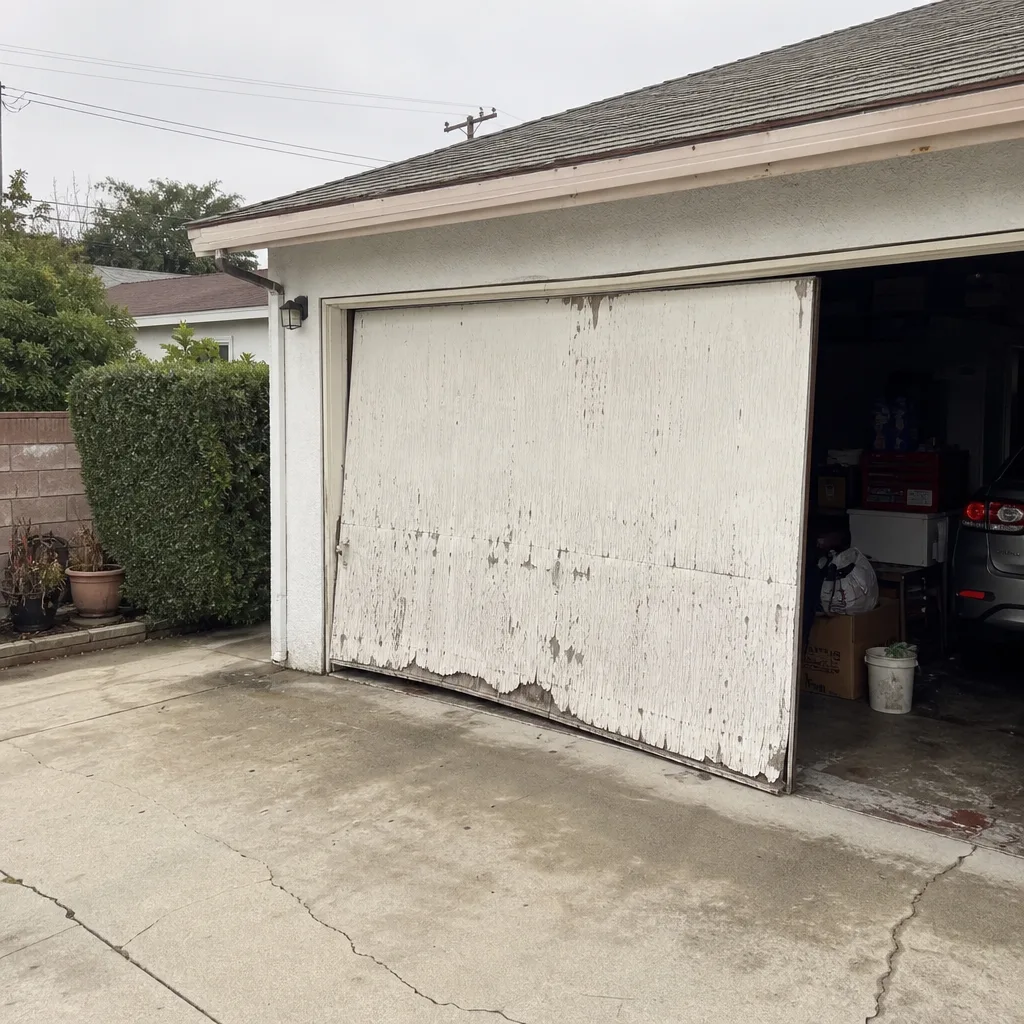 Before
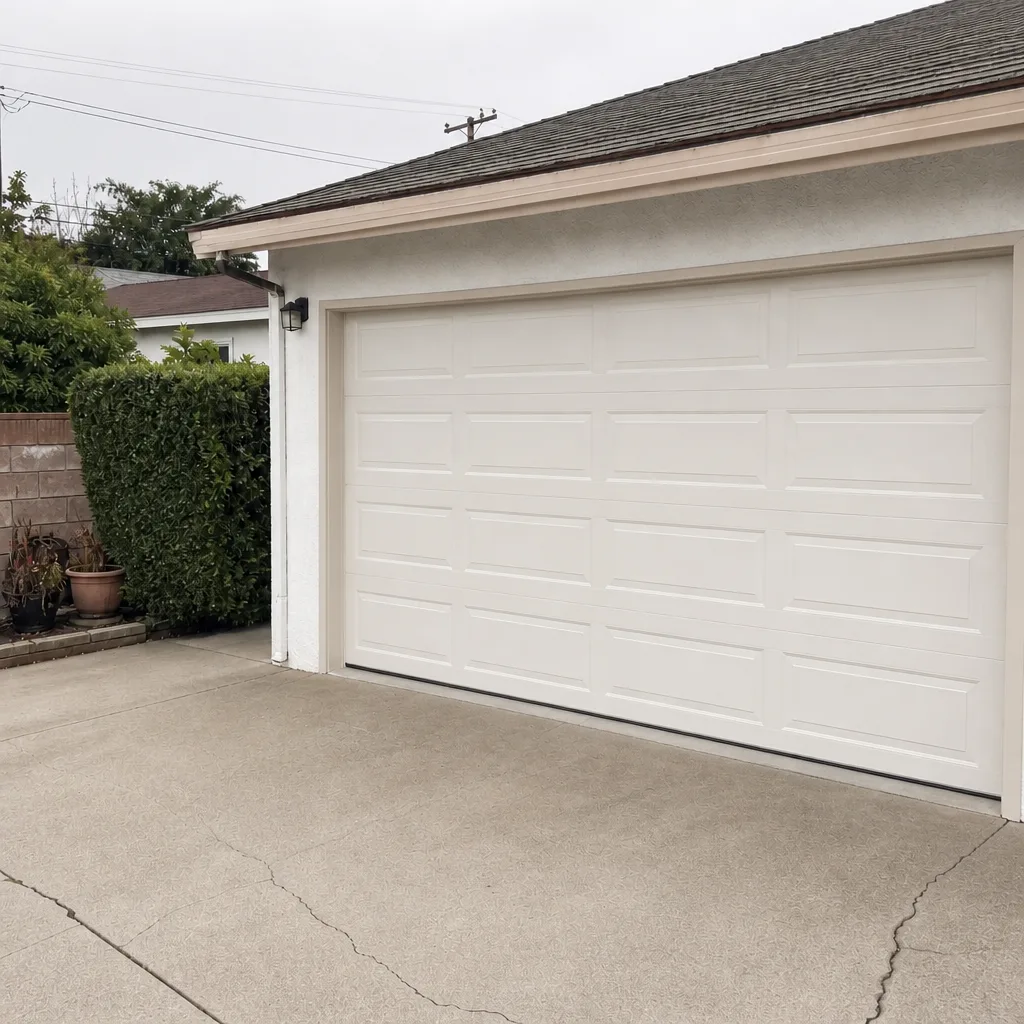 After
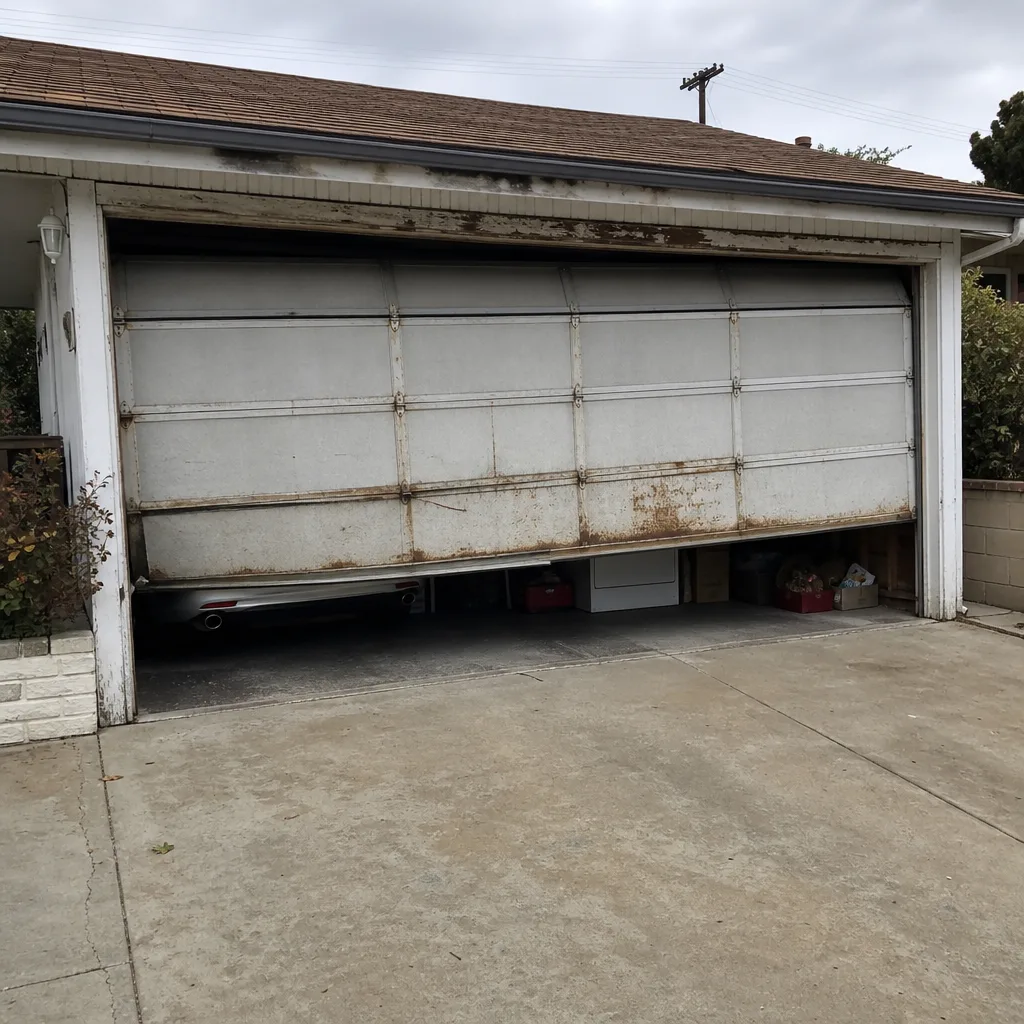 Before
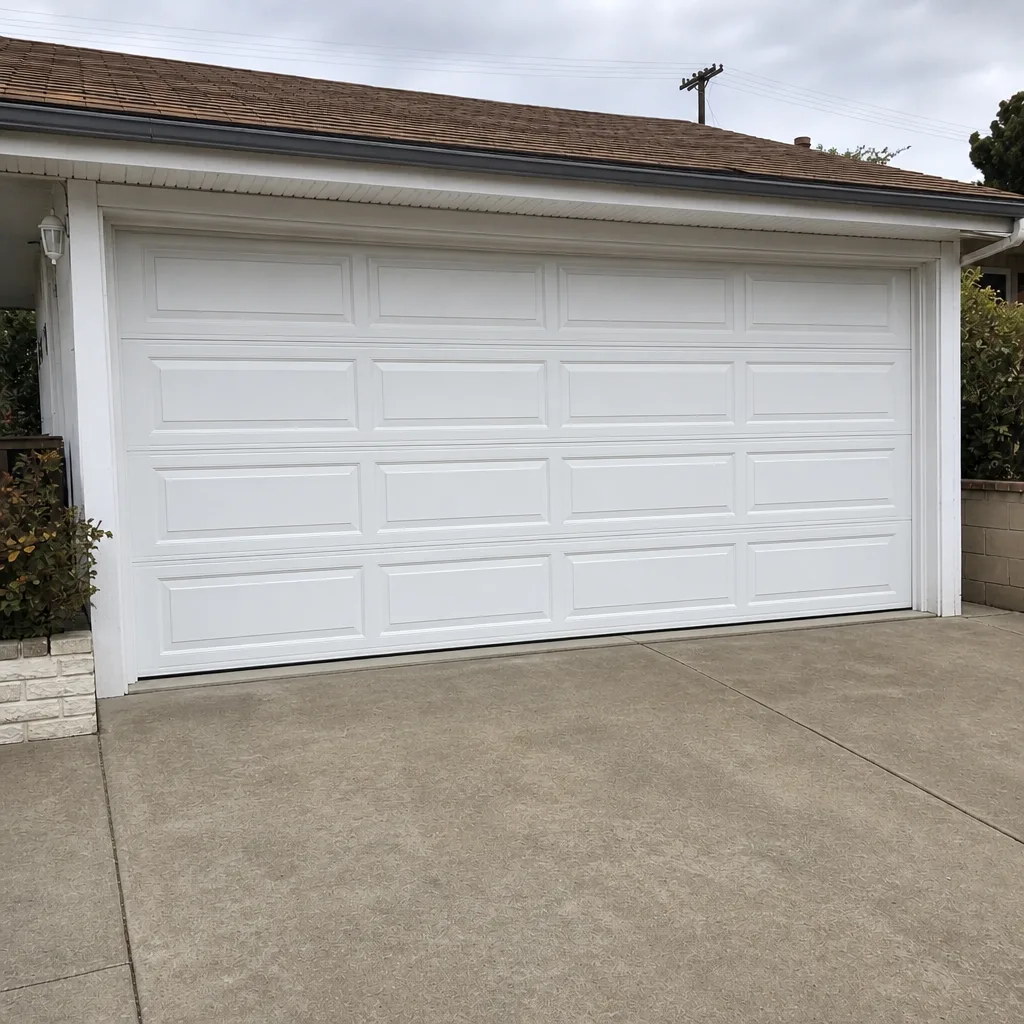 After
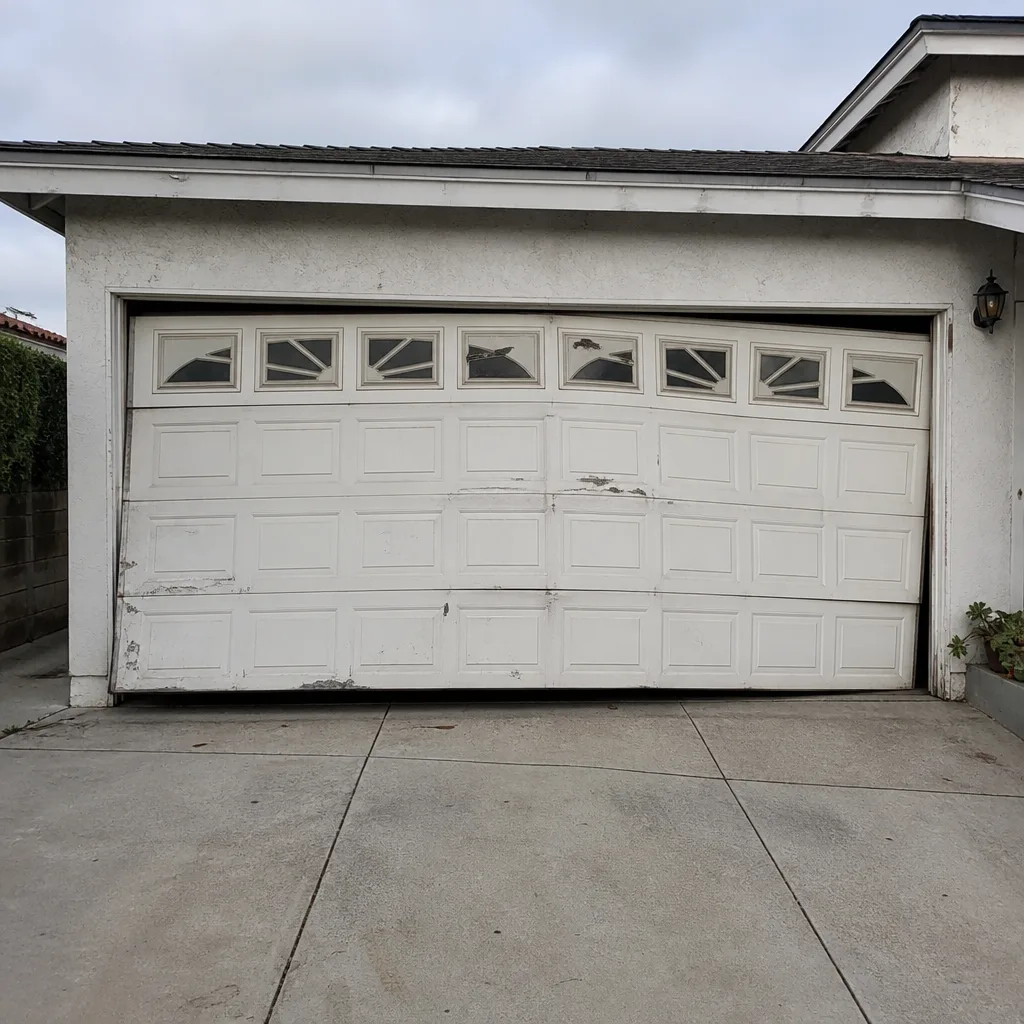 Before
 After