
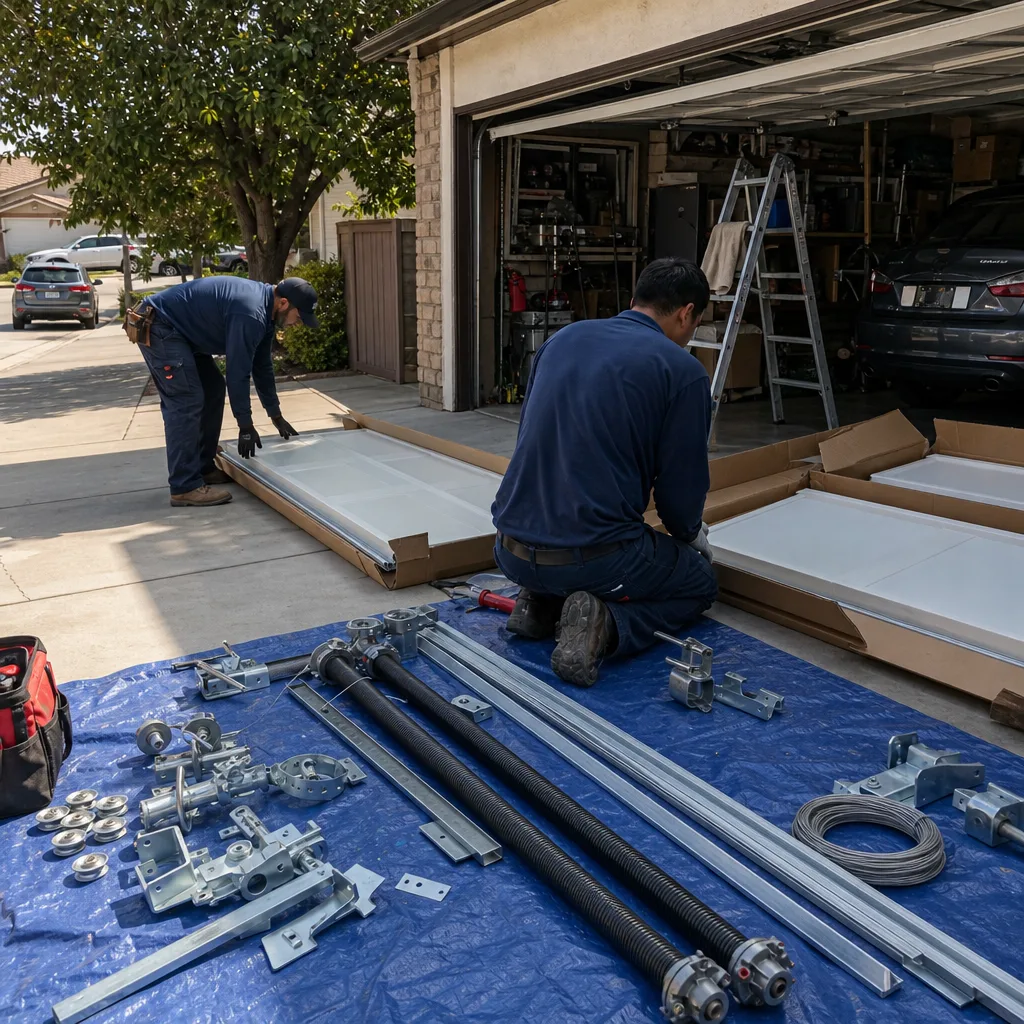
Last updated November 4, 2026
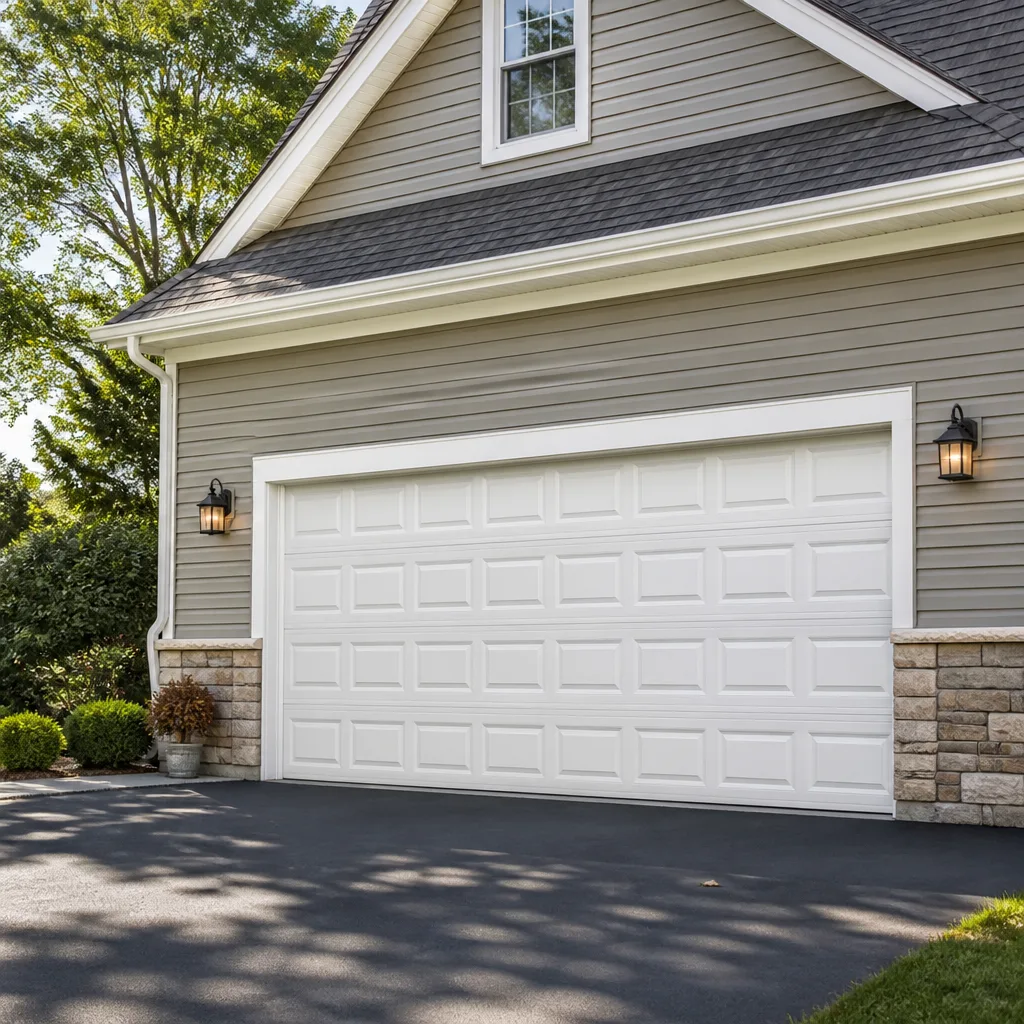 Raised-panel steel
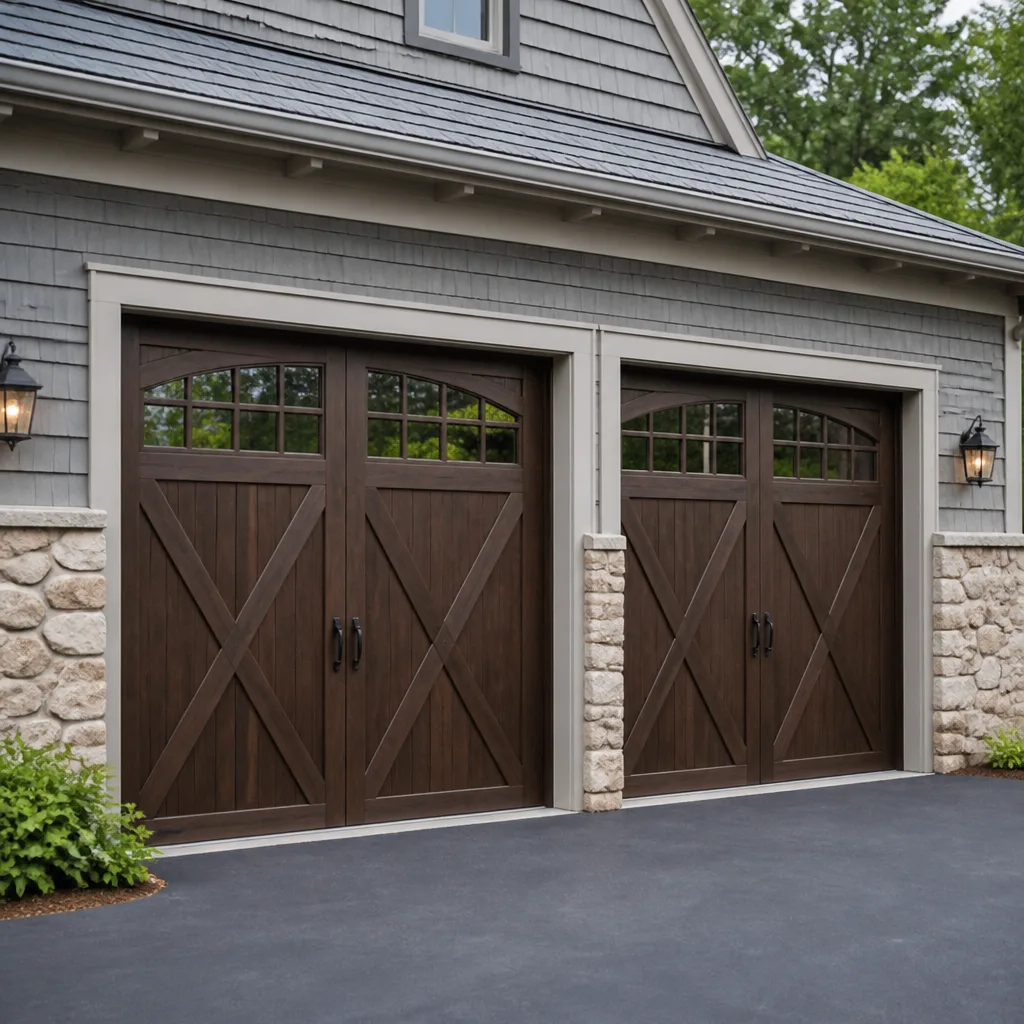 Carriage house
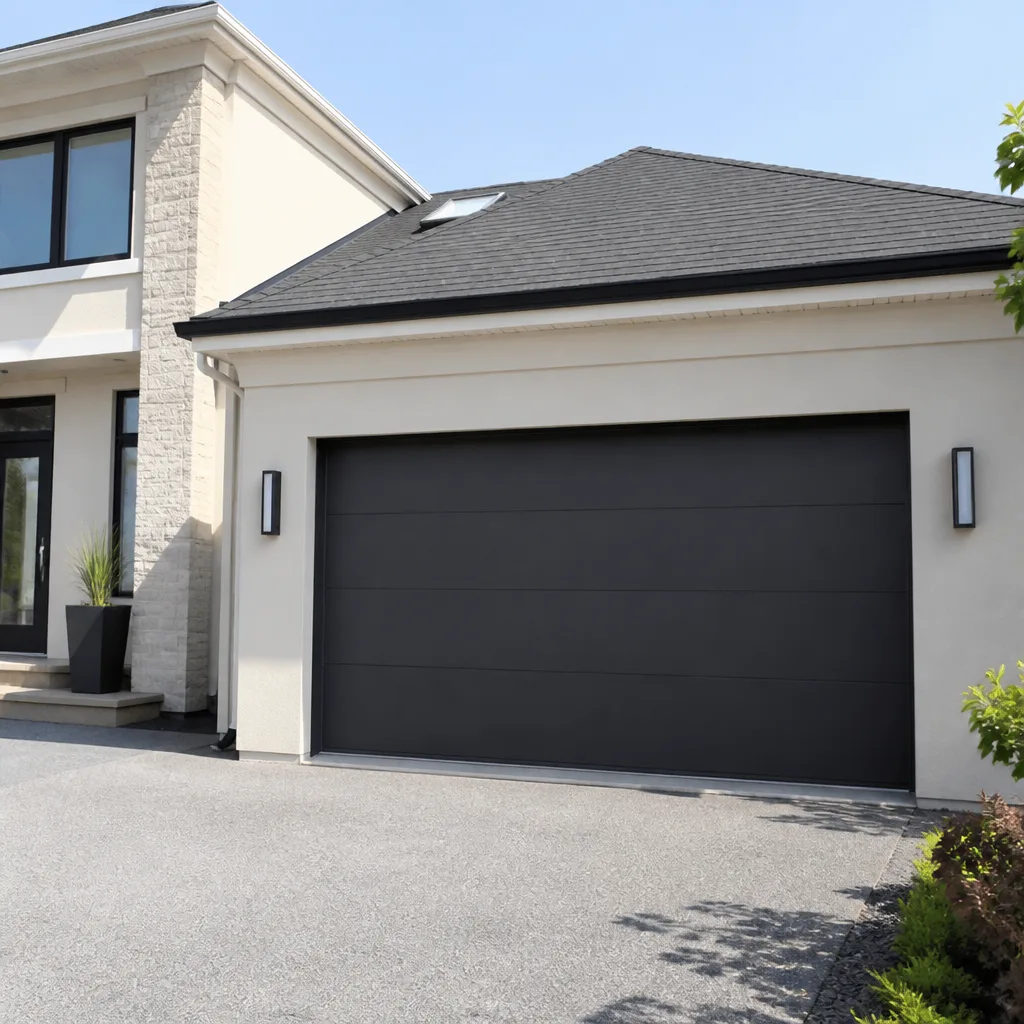 Modern flush
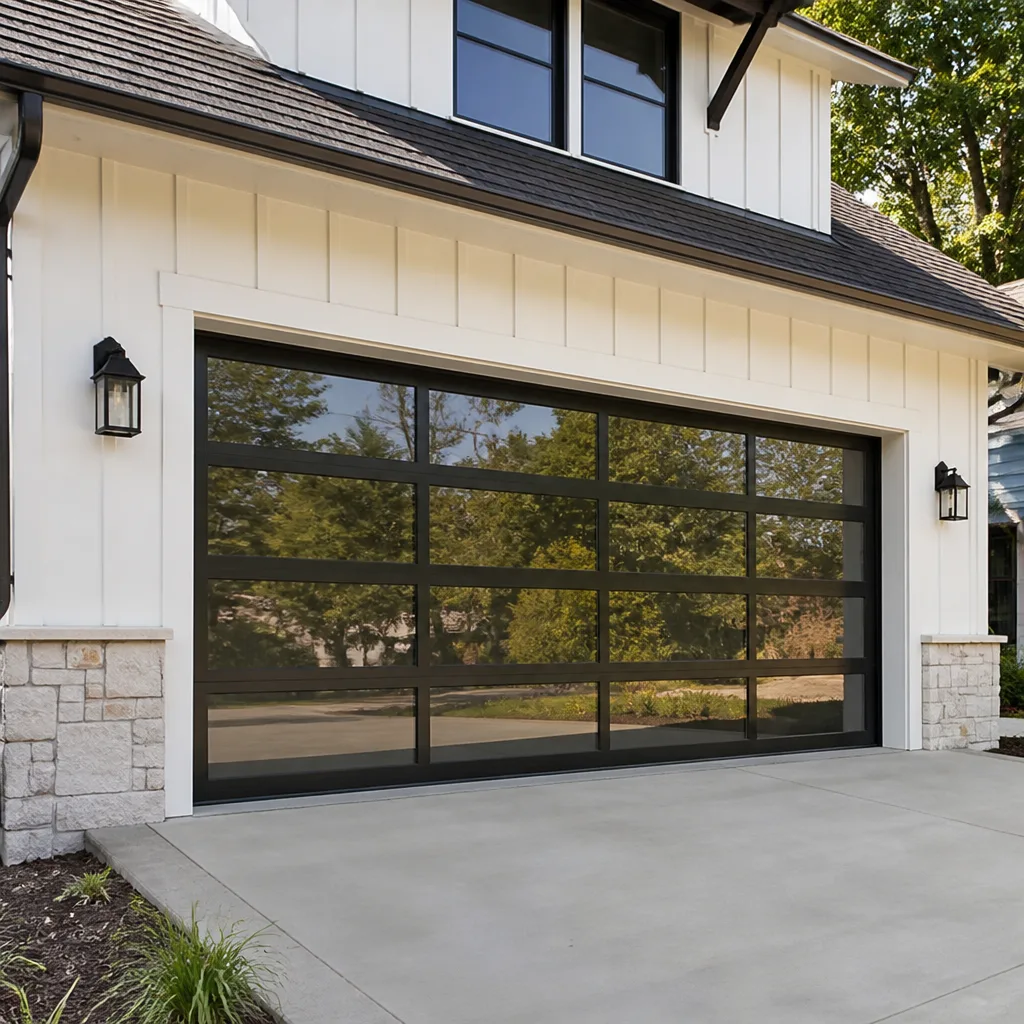 Full-view glass
 LiftMaster openers
 Chamberlain openers
Full 25-point door and opener safety check with every visit - springs, cables, rollers, tracks, and your LiftMaster or Chamberlain opener included
You get a price before we start. It does not change when the truck arrives.
Get your free estimateGarage Door Repair Maintenance Schedule: What to Do and When
If you’re lubricating your garage door springs every spring because a blog told you to, you may be over-lubricating torsion springs and under-servicing the components that actually fail first. Most maintenance calendars are built around months, but garage doors don’t wear out by the calendar. They wear out by cycles, cycles that happen every time the door goes up and comes down. In Monterey Park, where attached garages are the daily front door for many households, the average door often cycles 4 to 6 times a day without the homeowner ever thinking about it. This guide gives you a use-based schedule built around what actually degrades in Monterey Park’s mild but particulate-heavy air, what to check at 500 cycles versus 2,500 versus 10,000, and where DIY maintenance ends and a trained eye begins. By the end, you’ll know which five components fail silently, what gets grease versus silicone spray versus nothing at all, and how to catch spring wear before it becomes a snap failure.
Quick Answer
A garage door maintenance schedule should be built on use cycles, not calendar months. For most Monterey Park homes with 4 to 6 cycles a day, that means a visual and lubrication check every 3 to 4 months, a balance and force test every 6 months, and a professional tune-up roughly every 12 to 18 months or every 2,500 to 3,000 cycles. Silently degrading components like rollers, cables, and spring fatigue are best caught by tracking cycles rather than waiting for a season to change.
Styles & brands we work with
- Raised-panel steel
- Carriage house
- Modern flush
- Full-view glass
- LiftMaster openers
- Chamberlain openers
Table of Contents
- Why Calendar-Based Schedules Fail Garage Doors
- Cycle-Based Maintenance: What to Check at 500, 2,500, and 10,000 Cycles
- The Five Components That Degrade Silently in Monterey Park
- Lubrication by Component: Grease, Silicone, or Nothing
- How to Perform a Force and Balance Test at Home
- What a Professional Tune-Up Checks That You Can’t
- Monterey Park-Specific Factors That Change Your Schedule
- Common Mistakes to Avoid
- When to Call a Professional
- Frequently Asked Questions
Why Calendar-Based Schedules Fail Garage Doors
A garage door in a Monterey Park household that parks two cars and has teenagers coming and going can cycle 8 to 10 times a day. A door on a detached garage used mainly for storage might cycle twice a week. These two doors live on the same street, in the same climate, and yet they need completely different maintenance rhythms. A calendar schedule treats them identically, which is why it fails.
The wear parts on a garage door are rated in cycles, not seasons. A standard torsion spring is often rated for 10,000 cycles by its manufacturer. A cheap roller might last 5,000 cycles before the bearing gets gritty. A cable can look fine for years and then fray at the drum from one bad day of imbalance. None of these timelines line up with a monthly calendar.
What a calendar schedule does get right is the reminder to look. But the looking needs to be tied to how much the door has actually moved. A homeowner who lubes on the first of every month and ignores the door the rest of the time will still miss a fraying cable because cables don’t care what month it is. They care how many times the door has gone up and down while slightly off balance.
The better system is a hybrid. Use a simple cycle estimate to know when to inspect, and use the calendar only as a fallback reminder for homes where tracking cycles feels like too much bookkeeping. For a typical Monterey Park attached garage with 4 to 6 cycles a day, a visual inspection every 3 months and a hands-on test every 6 months will catch the overwhelming majority of problems before they become breakdowns.
We’ve worked on doors in Monterey Park for over a decade, and the pattern is consistent. The doors that get looked at on a use-based rhythm fail less often and cost less to keep running. The doors that get ignored until something breaks always break at the worst possible time, which in this trade usually means right after you’ve pulled in and the door refuses to close behind you.
Cycle-Based Maintenance: What to Check at 500, 2,500, and 10,000 Cycles
Every full open-and-close counts as one cycle. If your door goes up in the morning and down at night, that’s one cycle. If it goes up and down twice a day because you take the car out and come back, that’s two. If you park in the garage and also use it as the main entry door for the household, you might be at 6 to 8 cycles before dinner.
Estimating where your door sits is straightforward. Count a normal day’s cycles for one week, average them, and multiply by the number of days you’ve lived in the home or since the last major hardware replacement. A homeowner at 5 cycles a day hits 1,825 cycles in a year. At that pace, 10,000 cycles arrives in about 5.5 years.
At 500 Cycles (roughly every 3 to 4 months for a typical Monterey Park home)
- Listen for any new grinding, squeaking, or rattling while the door moves.
- Visually inspect the rollers, tracks, hinges, and cables for visible wear, buildup, or fraying.
- Wipe down the tracks with a dry cloth to remove the smog residue and fine dust that Monterey Park air deposits on everything.
- Check that the safety sensors near the floor are aligned and free of dust or spider webs.
- Test the auto-reverse feature by placing a roll of paper towels in the door’s path and closing it. The door should reverse on contact.
At 2,500 Cycles (roughly every 12 to 18 months for most homes)
- Perform a full balance and force test, described in detail below.
- Lubricate rollers, hinges, and springs according to the component-specific guidance in the next sections.
- Check all bolts and brackets for tightness, especially the lag bolts holding the track to the wall.
- Inspect the cables where they wrap around the drums at the top of the door. Look for any broken strands or flattening.
- Test the opener’s force settings: the door should reverse with light resistance, not just on solid contact.
- Check the weather stripping along the bottom and sides for cracks or gaps that let dust and pests in.
At 10,000 Cycles (roughly every 5 to 7 years for a busy Monterey Park garage)
This is the replacement threshold for most torsion springs, many rollers, and often the cables. A door that has passed 10,000 cycles without a professional inspection is running on borrowed time. In our experience, springs that fail near or past their rated cycle life rarely give much warning, which is why the balance test matters so much in the months leading up to this mark. At this point, a full professional tune-up is not optional. It’s the difference between replacing springs on a schedule you control and replacing them at midnight on a Sunday because the door won’t open.
If your home has an opener from Genie, LiftMaster, or Chamberlain, the opener’s travel and force settings also deserve a professional recalibration at this age. Opener logic boards degrade and travel limits drift, and a door that was perfectly adjusted three years ago may now be slamming at the bottom of its travel.
The Five Components That Degrade Silently in Monterey Park
Monterey Park’s air quality is better than it was thirty years ago, but the San Gabriel Valley still traps a fine layer of particulate matter, especially during warmer months when the marine layer holds smog close to the ground. That residue settles on everything, including the inside of your garage. It mixes with the lubricant on your door’s moving parts and forms a mild abrasive paste. Five components suffer from this more than any others, and all five degrade quietly enough that you won’t notice until something fails.
1. Rollers. Roller bearings are sealed, but the seal wears, and once particulate gets inside, the bearing grinds itself down slowly. A worn roller doesn’t scream. It just adds resistance, which makes the opener work harder and the springs fatigue faster. Steel rollers with ball bearings last longer than nylon rollers without them, but both eventually give out.
2. Cables. The lift cables wind and unwind around the drums every cycle. When a door is slightly out of balance, one cable carries more load than the other. The overloaded cable doesn’t snap immediately. It frays one strand at a time, usually right where it meets the drum. By the time you see visible fraying from the ground, the cable is already compromised.
3. Hinges. The hinges at the panel joints flex every time the door rounds the curve of the track. The hinge in the middle of the door, the one that carries the most flex, is usually the first to develop play. A loose hinge lets a panel sag, which changes the door’s geometry, which accelerates wear on everything else.
4. Torsion spring coils. Torsion springs don’t lose strength gradually in a way you can see. They hold their tension until micro-fractures in the steel reach a critical point, and then they let go. What you can see, if you look carefully, is a slight gap opening between coils near the center of the spring, a sign the spring is settling. Catching that before failure requires a trained eye and a flashlight.
5. Track fasteners. The bolts that hold the vertical track to the wall loosen over time from vibration. A track that has shifted even a quarter inch changes the door’s travel path. The door still opens and closes, but the rollers ride against the track sides at a slight angle, wearing both faster. By the time the door visibly binds, the track has likely been loose for months.
None of these five announce themselves with a dramatic failure until the very end. The maintenance schedule above is designed to catch them in the silent phase, when the fix is a fifteen-minute adjustment rather than a full garage door repair.
Lubrication by Component: Grease, Silicone, or Nothing
The most common maintenance mistake we see in Monterey Park garages is a door that has been lubricated with the wrong product in the wrong places. The second most common is a door that has been lubricated with the right product far too often. Both cause problems.
Here is the component-by-component breakdown, based on what the hardware actually needs rather than what an old maintenance guide might claim.
- Torsion springs: Use a light coating of spray lithium grease or a dedicated garage door spring lubricant, applied once or twice a year at most. The spring’s coils rub against each other slightly as the spring winds and unwinds, and a light lubricant reduces that friction. Over-lubricating a torsion spring is worse than under-lubricating it. Excess grease attracts dust, and in Monterey Park’s particulate-heavy air, that dust turns into the abrasive paste we described earlier. A thin film is plenty.
- Rollers: If the rollers have metal bearings, a drop of light oil on the bearing once a year extends their life. If the rollers are nylon, nothing goes on the wheel itself. Lubricating a nylon roller just makes it slippery in the track, which doesn’t help, and it accelerates dust buildup. If the roller has no exposed bearing, leave it alone.
- Hinges: A small shot of spray lithium grease on the hinge pivot points, applied once or twice a year, keeps them moving freely. Wipe off any excess with a rag. The goal is to lubricate the pivot, not to coat the entire hinge in grease.
- Tracks: Nothing. Tracks are not lubricated. The rollers roll on the track, they don’t slide. Greasing the track attracts dirt, and the dirt plus grease combination is what makes a door feel like it’s grinding. If the tracks look dirty, wipe them with a dry cloth. If they have hardened buildup, a mild cleaner followed by a dry wipe is enough.
- Opener chain or belt: Chain-drive openers need a light coat of chain lubricant on the chain itself, not on the rail. Belt-drive openers need nothing on the belt. Lubricating a belt makes it slip and shortens its life.
- Cables: Nothing. Cables are not lubricated. The cable winds around the drum under tension, and lubricant on a cable is a sign that someone didn’t know what they were doing.
- Weather stripping: A silicone-based protectant once a year keeps the rubber flexible and prevents cracking. This is one of the few places where silicone spray belongs on a garage door.
For Clopay, Amarr, and Wayne Dalton doors, the manufacturer recommendations are broadly similar. The door construction matters less than the component type. A torsion spring on a Clopay door needs the same treatment as a torsion spring on an Amarr door. What changes is the specific hardware design, which is why brand familiarity matters when a technician is diagnosing a problem rather than just applying routine maintenance.
How to Perform a Force and Balance Test at Home
The balance test is the single most useful diagnostic a homeowner can do. It catches spring wear earlier than anything else, and it takes five minutes. Here’s the process, step by step.
- Close the door completely. Pull the red emergency release cord on the opener to disconnect the door from the opener carriage.
- Lift the door by hand from the bottom edge. A properly balanced door should lift smoothly with moderate effort and hold position roughly three to four feet off the ground when you let go. It shouldn’t shoot up and it shouldn’t sag.
- Raise the door to half height and let go. It should stay put or drift only very slowly. If it falls toward the ground, the springs are weak or broken. If it rises on its own, the springs are over-tensioned.
- Lower the door to within a foot of the floor and let go. It should continue closing gently, not slam. A door that wants to fall from the last foot is a sign the springs are no longer counterbalancing the door’s weight.
- Reconnect the opener carriage by pulling the release cord toward the opener and running the opener until it re-engages. Make sure you haven’t left the door disconnected when you’re done.
If the door fails any part of this test, stop using the opener to move the door and call for a professional inspection. A door that is out of balance puts uneven load on the springs, cables, and opener, and running it in that condition shortens the life of every component in the system.
Note on safety: torsion springs are under high tension at all times, even when the door is closed. The balance test itself is safe when done as described, because you’re only lifting the door by hand and observing its behavior. But adjusting, repairing, or replacing a torsion spring is not a DIY job. The energy stored in a torsion spring is enough to cause serious injury if it releases unexpectedly. Leave spring work to the pros.
What a Professional Tune-Up Checks That You Can’t
Some maintenance you can do from the ground with a rag and a can of spray lubricant. Some you can’t. A professional tune-up exists because there are things about a garage door system that only reveal themselves under trained inspection, often with the door in positions a homeowner never sees.
Here is what a technician checks during a proper tune-up that a homeowner physically cannot replicate.
- Spring torque measurement. A technician can measure the actual torque remaining in a torsion spring and compare it to the door’s weight. This isn’t a visual check. It’s a measurement, and it tells you whether a spring that looks fine is actually on its last months of life.
- Cable drum inspection under load. Cables wrap onto drums at the top of the track, and the point where they wrap is where fraying starts. That point is visible only from a ladder with the door partially open, and inspecting it properly means understanding what a healthy cable-to-drum seat looks like.
- Panel joint and hinge alignment. A technician can see whether the door panels are shifting at the joints, which is often the first sign of a structural issue that will eventually bind the door.
- Track parallelism measurement. Tracks that are out of parallel by even a small amount cause premature roller wear. Measuring that requires a level and the experience to know what tolerance is acceptable.
- Opener force and travel calibration. The force setting on an opener should be adjusted so the door reverses with light resistance, not just on solid contact. Setting it correctly requires a force gauge or, more commonly, an experienced hand. A door that reverses too easily will stop halfway for no reason. A door that doesn’t reverse easily enough is a real safety hazard.
- Bearing wear on end plates and center brackets. The bearings that support the torsion shaft wear out over time, and a worn bearing puts lateral load on the spring, which accelerates spring failure. Checking bearing wear means listening and feeling for play at the end plates, which is not something a homeowner typically does.
For Monterey Park homes with doors from Clopay, Amarr, Wayne Dalton, or Raynor, the tune-up should also include a check of the specific hardware those manufacturers use. A Wayne Dalton TorqueMaster system, for example, uses an internal spring design that requires a completely different inspection procedure than a standard torsion spring. A technician who already knows your door’s system doesn’t spend half the visit figuring out what they’re looking at.
If your opener is a garage door opener repair candidate because it’s been straining against a poorly balanced door, the tune-up is when that gets caught before the opener’s gear wears out.
Monterey Park-Specific Factors That Change Your Schedule
Garage door maintenance advice written for a national audience usually assumes a climate with distinct seasons. Monterey Park doesn’t work that way. The weather here is mild year-round, which means certain common maintenance triggers from other regions don’t apply, while other factors specific to the San Gabriel Valley matter more.
First, what doesn’t apply. Monterey Park doesn’t get freeze-thaw cycles, so you don’t need to worry about ice forming in the tracks or the bottom seal freezing to the driveway. You don’t need a winter-specific maintenance routine, and you don’t need to change your lubrication schedule for cold weather.
What does apply is particulate buildup. The San Gabriel Valley sits in a basin where air pollution concentrates, especially during summer and fall. That means the dust and smog residue that settles in your garage and on your door’s moving parts accumulates faster here than in a coastal city with consistent onshore wind. We recommend wiping down tracks and checking roller condition more frequently in Monterey Park than the generic maintenance guides suggest, particularly if you live near a busy arterial like Garvey Avenue or Atlantic Boulevard where traffic particulate is higher.
Another local factor is usage pattern. A high percentage of Monterey Park homes have attached garages that are used as the primary entry to the house. The garage door is the front door in many of these homes, which means it cycles more often than a detached garage in a colder climate where the car stays outside part of the year. Higher cycle counts mean the maintenance milestones arrive sooner in real time.
If you live in the hillside neighborhoods above Monterey Park, where some garages are built into slopes and the driveways are steeper, pay extra attention to the door’s balance. A door that has to work against a sloped driveway approach sometimes gets bumped by a car that misjudges the angle, and a bumped panel shifts the door’s alignment in ways that show up as wear months later.
For any of these local factors, the fix is the same: a use-based schedule with slightly shorter intervals than the national average. Among the homes we see in Monterey Park, the doors that get a quick visual check every couple of months and a professional eye every 12 to 18 months are the ones that rarely need an emergency call.
Common Mistakes to Avoid
- Lubricating the track. This is the most common garage door maintenance error, and it actively makes the door worse. The track is not a lubrication point. Greasing it attracts the exact particulate that Monterey Park’s air is full of, and the result is a grinding paste that accelerates roller wear. Wipe tracks clean; never grease them.
- Over-lubricating torsion springs. Torsion springs need a light coat of lubricant once or twice a year, not a soaking every season. Excess lubricant on a spring does nothing useful and everything harmful, because it becomes a dust magnet.
- Ignoring a noisy door because it still works. A grinding, squeaking, or rattling door is talking to you. The components that make those sounds are wearing, and waiting until the door stops working turns a $150 maintenance visit into a full repair.
- Skipping the balance test because the door opens fine. A door can be badly out of balance and still open and close, because the opener is doing work the springs should be doing. The balance test catches spring wear before the spring breaks, but only if you actually do it.
- Using the wrong lubricant on the wrong component. WD-40 is not a garage door lubricant. It’s a water displacer and a degreaser. Using it on a torsion spring strips the lubricant that was there and leaves the spring dry. Use a lithium spray grease or a product made specifically for garage doors.
- Skipping the auto-reverse safety check. The auto-reverse feature is the one safety system on a garage door that protects people. Testing it every few months takes thirty seconds and a roll of paper towels. A door that doesn’t reverse on contact is a genuine hazard, not a maintenance annoyance.
When to Call a Professional
Some maintenance findings call for a professional, not a DIY patch. Call for service if your door fails any part of the balance test, if you see frayed cable strands anywhere along the cable’s length, if the door makes a sharp bang when opening or closing, or if the door has visibly shifted in the tracks and is rubbing the frame. Also call if your opener is straining, making a grinding sound, or reversing for no reason. A garage door spring under tension is not a component to experiment with. The energy in a typical torsion spring is enough to cause serious injury, and adjusting it without the proper tools and training is a risk no maintenance guide should encourage you to take. Stonegate Garage Door Repair offers free estimates in Monterey Park. Call (844) 972-4229 for a tune-up or a repair quote. We answer 24/7. Fast dispatch from 7am to 7pm, Sunday through Friday.
Frequently Asked Questions
Lubricate the torsion springs, hinges, and metal roller bearings once or twice a year, not every season. For a typical Monterey Park home with 4 to 6 cycles a day, a once-a-year lubrication is usually plenty. The more important habit is wiping the tracks and rollers clean every few months, because particulate buildup causes more wear than dry components do. Once you have a maintenance rhythm that matches your door’s actual use, you can adjust. Not sure where your door stands? Call (844) 972-4229 and we’ll help you figure out a schedule that fits your specific door and usage pattern.
A door that fails the balance test, meaning it falls when released at half height or slams the last foot to the floor, has springs that are weak or broken. Springs also show visible signs: a gap opening between coils, a stretched appearance, or in the case of extension springs, visible separation at the ends. Springs don’t recover from wear. If the balance test fails, the springs need professional replacement soon, not eventually. Call (844) 972-4229 to schedule an inspection. Estimates are free, and the price is agreed before any work starts.
No. Torsion springs are stored-energy devices, and the energy in a properly wound spring is enough to cause serious injury if it releases while you’re working on it. The tools for winding and unwinding torsion springs are specialized, and using the wrong tool or technique has predictable and severe consequences. This is the one garage door repair where we tell every homeowner the same thing: call a professional. It’s a garage door repair that should never be attempted as a DIY project.
Tune-up pricing varies based on the door’s condition, the number of components needing attention, and whether any parts need replacement during the service. The written estimate sets the final price before work begins, so there are no surprises. For an exact quote on your specific door, call (844) 972-4229. Estimates are free, and we’ll tell you what we find before we recommend anything.
Opener maintenance focuses on three things: keeping the safety sensors clean and aligned, checking the force and travel settings, and lubricating the chain on chain-drive models. Belt-drive openers from Genie or Chamberlain need no belt lubrication. The force and travel settings drift over time as the opener’s logic board ages and the door’s balance changes, so a professional recalibration every 12 to 18 months keeps the opener working within its designed parameters. Call (844) 972-4229 if your opener is reversing for no reason or straining to move the door.
Yes, and more than most homeowners realize. The San Gabriel Valley’s particulate matter settles on every horizontal surface in a garage, including the door’s tracks, rollers, and springs. When that particulate mixes with lubricant, it forms a mild abrasive that accelerates wear on moving parts. Homes near busy roads see this faster than homes on quiet residential streets. More frequent track and roller inspection is the main adjustment Monterey Park homeowners should make to the standard maintenance schedule.
The Bottom Line
Garage door maintenance isn’t about marking a calendar. It’s about knowing how many cycles your door has done and what to look for at each milestone. The five components that degrade silently in Monterey Park are rollers, cables, hinges, torsion springs, and track fasteners, and catching them before failure means a visual check every 500 cycles, a hands-on test every 2,500, and a professional tune-up near 10,000. Lubricate by component type, not by habit. Test the balance and auto-reverse regularly. Keep tracks clean and dry. And when the balance test fails or a cable shows fraying, call us. Stonegate Garage Door Repair knows the brands installed in Monterey Park garages, from Clopay and Amarr doors to Genie and Chamberlain openers. One call covers the whole door, diagnosed, not guessed.
Written by the team at Stonegate Garage Door Repair, serving Monterey Park since 2012.
See the difference
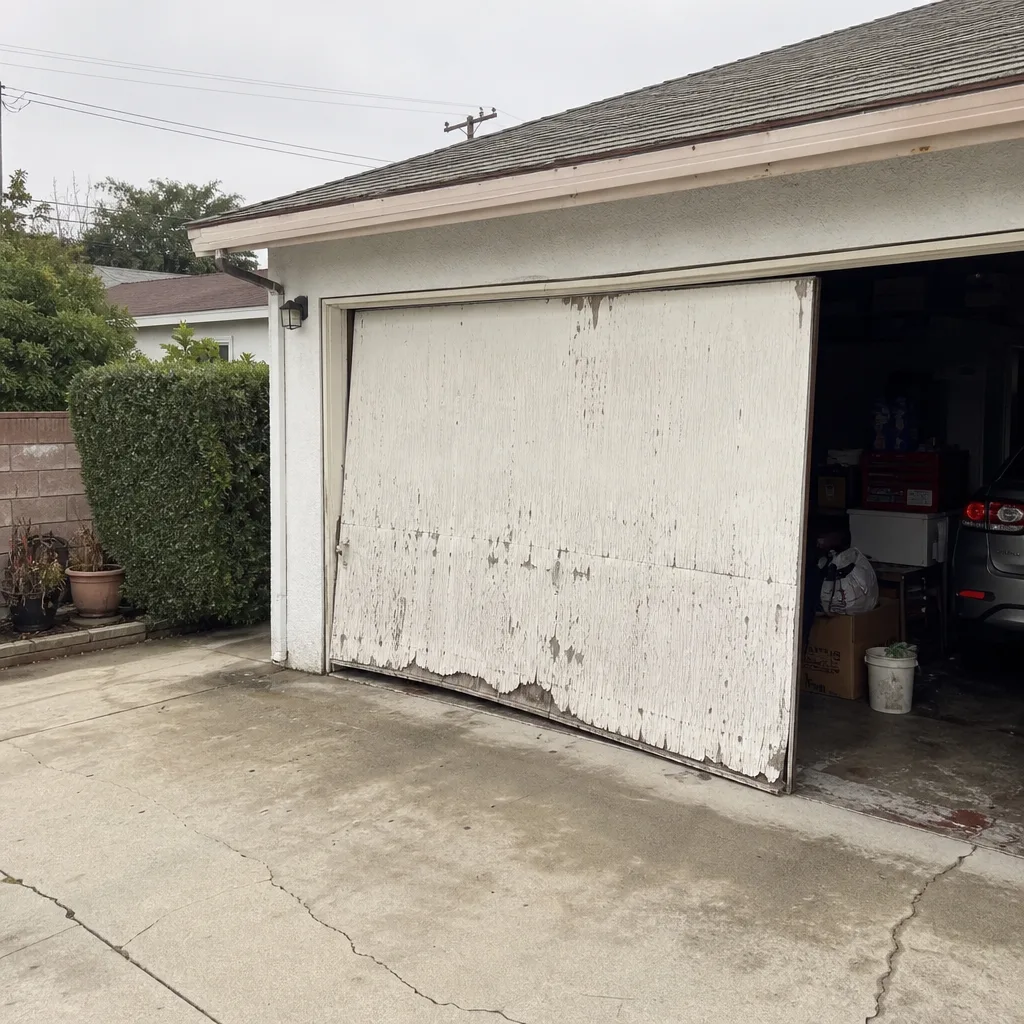 Before
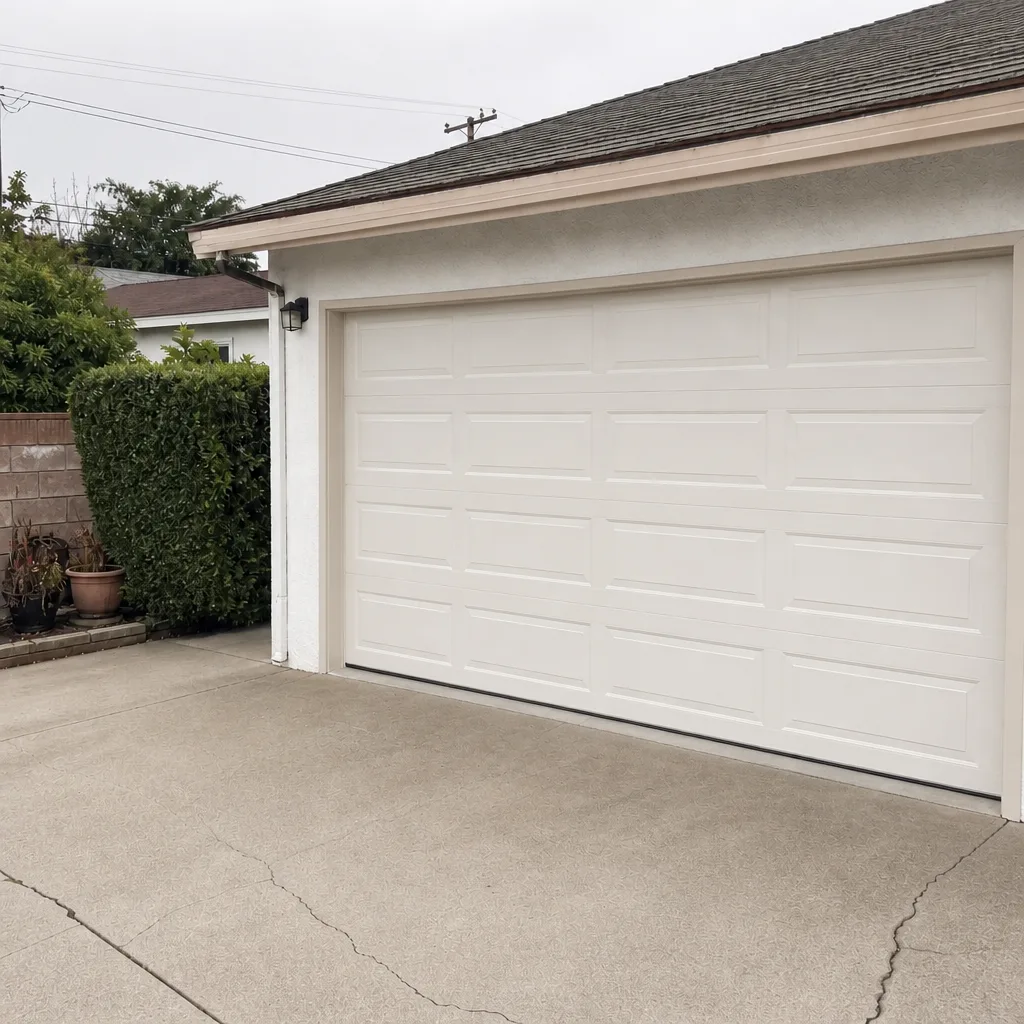 After
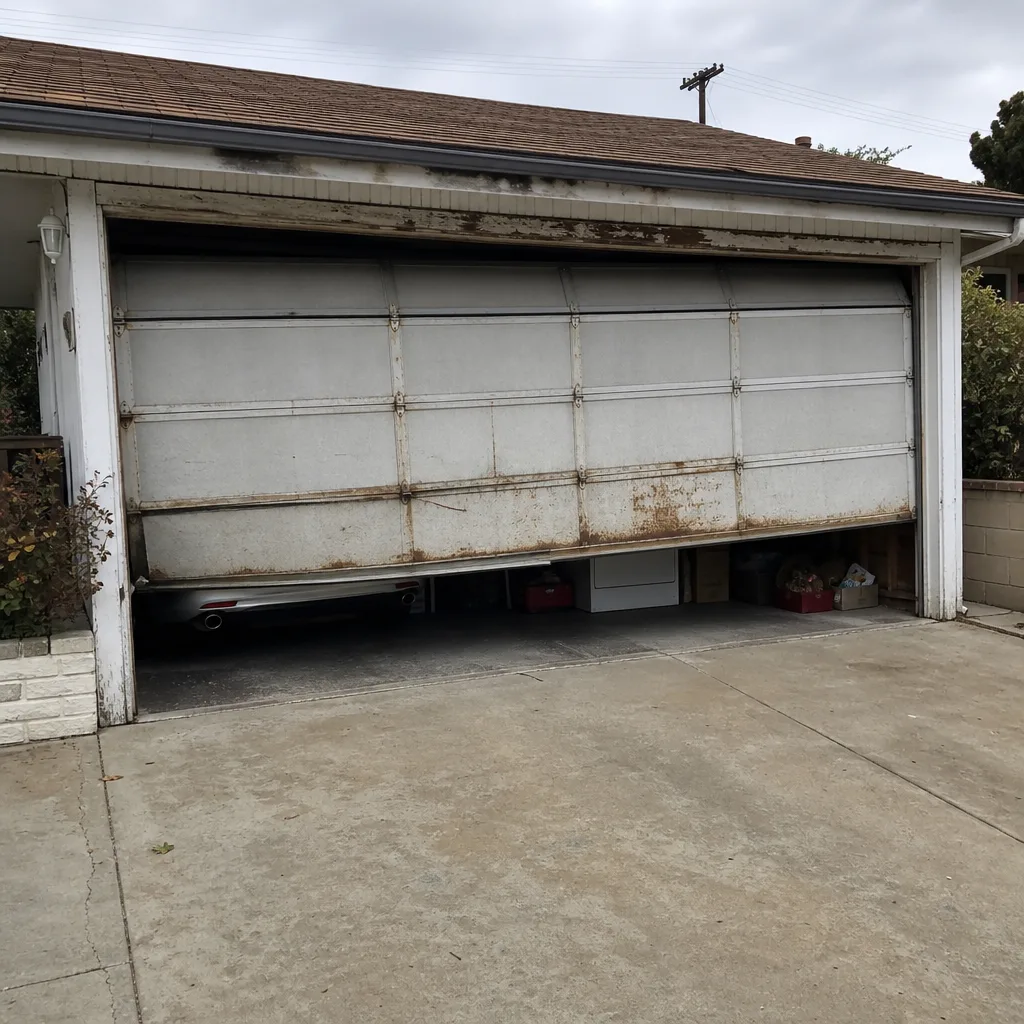 Before
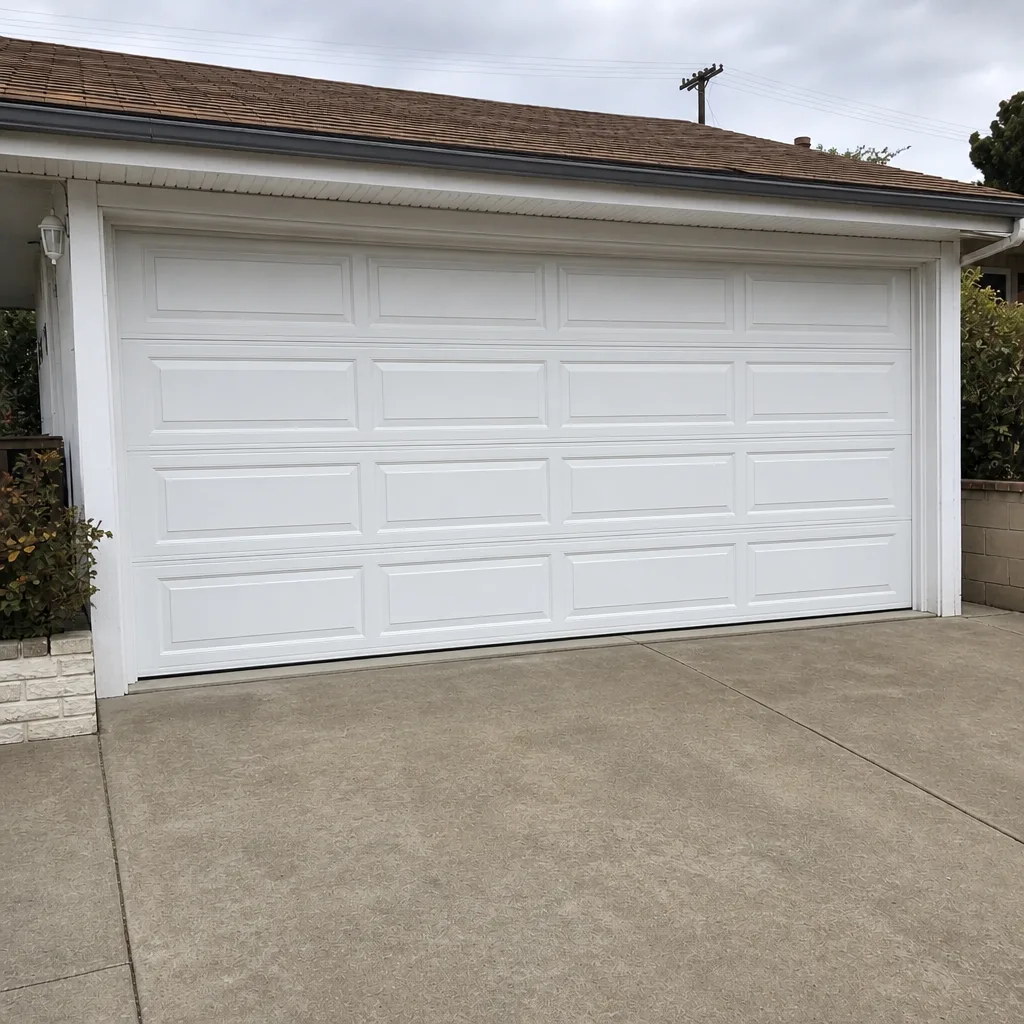 After
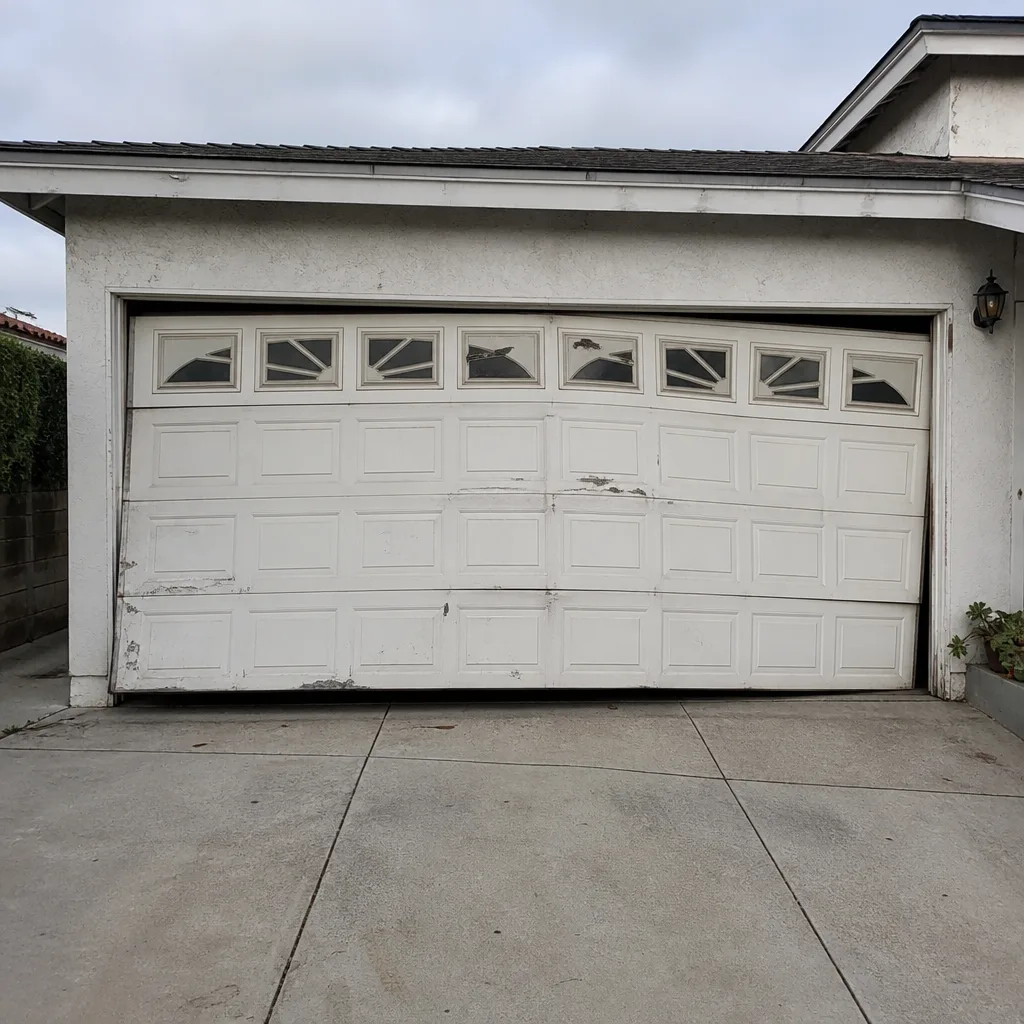 Before
 After