
Last updated November 4, 2026
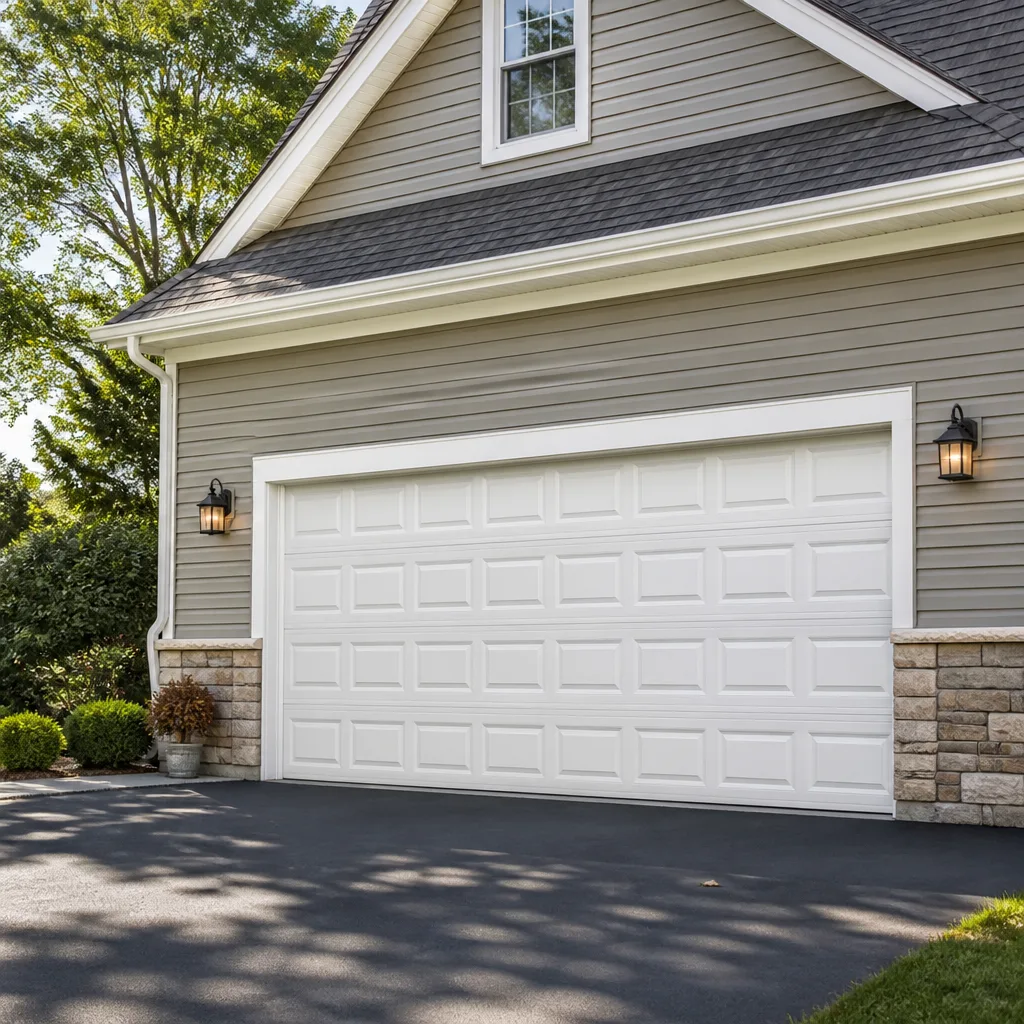 Raised-panel steel
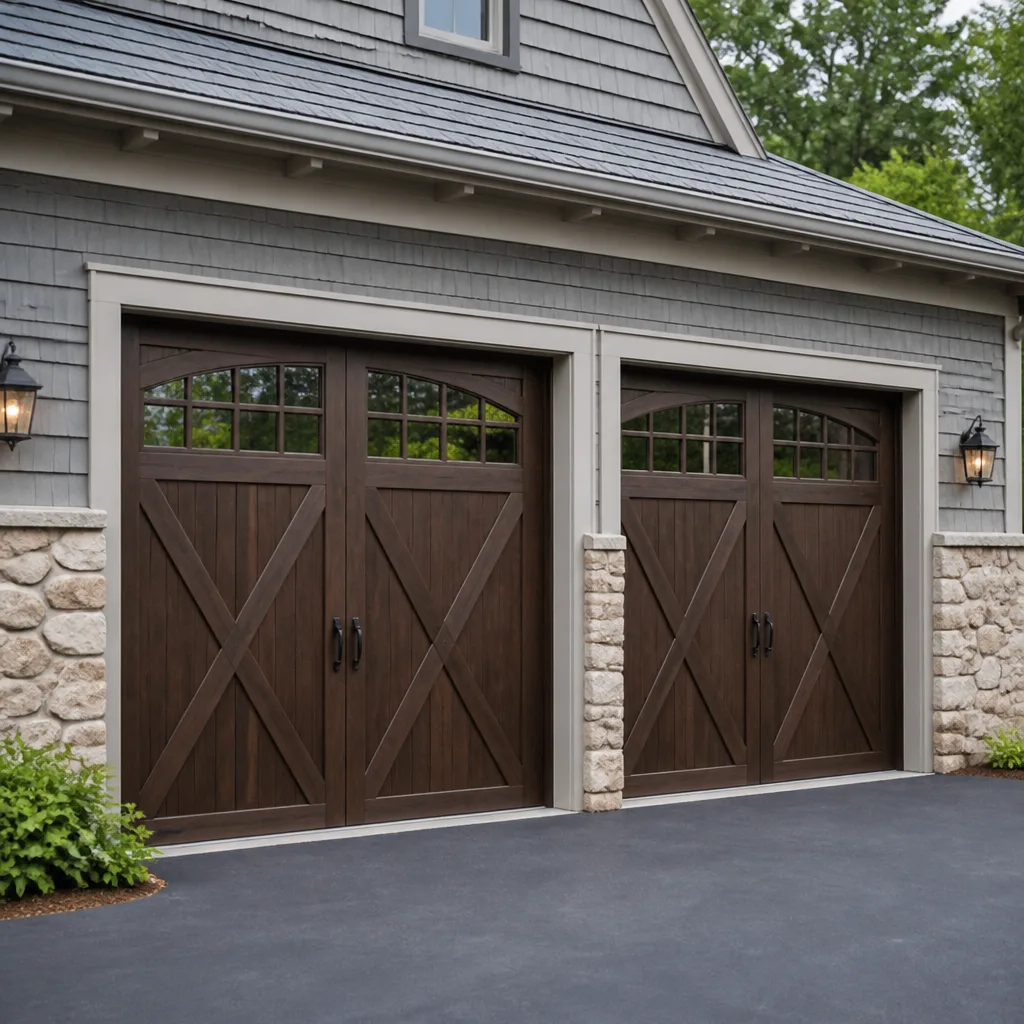 Carriage house
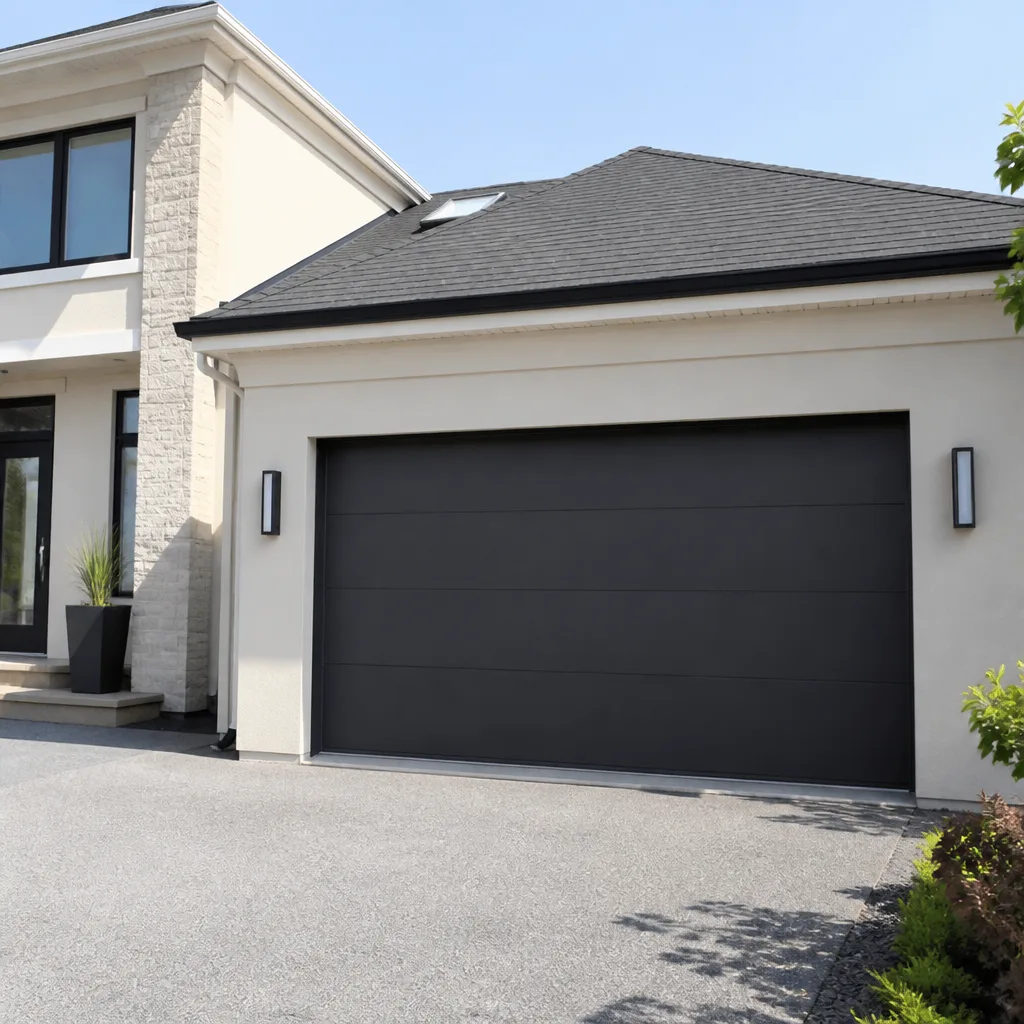 Modern flush
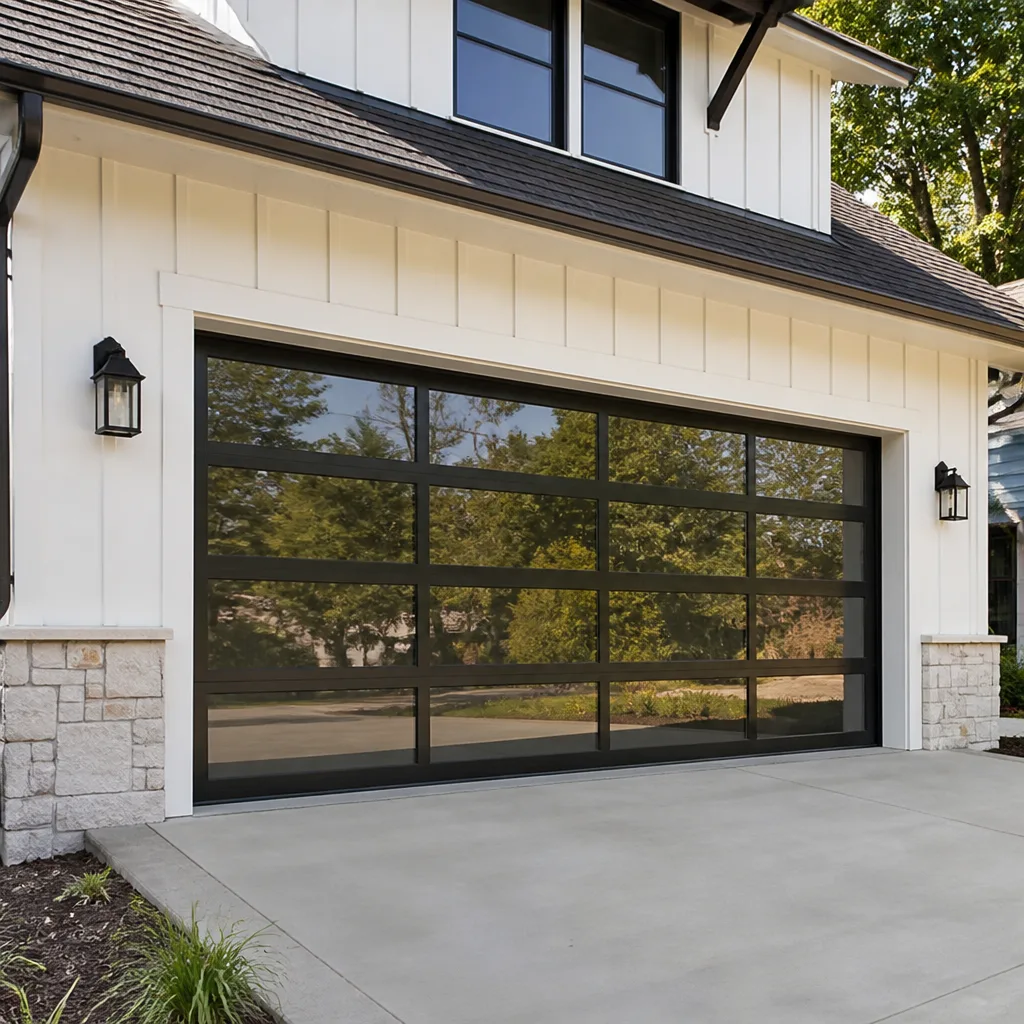 Full-view glass
 LiftMaster openers
 Chamberlain openers
Full 25-point door and opener safety check with every visit - springs, cables, rollers, tracks, and your LiftMaster or Chamberlain opener included
You get a price before we start. It does not change when the truck arrives.
Get your free estimateGarage Door Warning Signs: A Monterey Park Homeowner’s Reference Guide
A grinding noise and a scraping noise are not the same problem. One points to roller wear, the other to track misalignment, yet most Monterey Park homeowners describe both to a technician the same way: “it makes a noise.” That vagueness delays diagnosis. This guide teaches you to read the specific signals your garage door system sends, at the component level, so you know what to monitor, what to call about today, and what can become an emergency if ignored.
Quick Answer
The most urgent garage door warning signs in Monterey Park are visible cable fraying, a door that sits unevenly at the floor, or a popping sound from the torsion spring area. These indicate tension-bearing components are failing and the door may drop without warning. Less urgent but still pressing are grinding rollers, squealing hinges, and an opener that reverses erratically, all of which signal wear that will only get more expensive to repair.
Styles & brands we work with
- Raised-panel steel
- Carriage house
- Modern flush
- Full-view glass
- LiftMaster openers
- Chamberlain openers
Table of Contents
- The Sound-Based Diagnostic Map
- Visual Warning Signs Ranked by Urgency
- The Slow Close Symptom Most Homeowners Miss
- Opener-Specific Warning Signs
- Cosmetic vs. Safety-Critical: The Triage Logic
- How Monterey Park Housing Stock Affects Door Wear
- Common Mistakes to Avoid
- When to Call a Professional
The Sound-Based Diagnostic Map
Sound is the earliest and most consistent warning system your garage door has. When we diagnose a door over the phone, we ask one question first: what does it actually sound like? Not “is it loud” but “what kind of loud.” Here is what each specific sound indicates and what it says about remaining safe operating life.
- Grinding: A low, rough, crunching sound during travel. This is almost always roller wear, specifically the ball bearings inside the roller. The roller is no longer spinning smoothly and is dragging metal on metal inside the track. Grinding means the rollers have lost their lubrication or their internal bearings have failed. The door can still operate, but each cycle adds friction to the opener motor and strain to the hinges. This is a monitor-then-repair situation, not an emergency, but it will not fix itself.
- Scraping: A sharper, more consistent scrape, often worse at one point in the travel. Scraping is panel or track contact. The door has shifted slightly in its track, or a track bracket has loosened, and the door edge is now physically rubbing against the metal rail. This is different from grinding because it is a clearance problem, not a bearing problem. Left alone, scraping wears through the door panel edge or the track itself, which turns a simple adjustment into a panel replacement.
- Popping: A sharp pop or bang, usually at the beginning of travel or when the door hesitates and then moves. Popping is spring tension releasing in small increments, and it is the sound to take most seriously. A torsion spring under thousands of pounds of tension that starts popping is signaling internal coil binding or an anchor point shifting. If you hear popping, stop using the door and call for service that day. This is the sound most likely to precede a sudden failure.
- Clicking: A rapid or repetitive click, often heard even when the door is not moving. Clicking from the opener head indicates relay or logic board activity that is not translating to motor motion. Clicking from the chain or rail indicates chain slack or a gear starting to strip. Both are opener-side problems, covered in more detail below.
- Squealing: A high-pitched, sustained squeal during travel. Squealing is dry metal friction, most often in the hinges or the torsion spring bearing plate. It is the most common noise we hear in Monterey Park homes because the local climate, warm and dry, accelerates the evaporation of lubricant from moving parts. Squealing alone is not dangerous, but it tells you a lubricated component is running dry, and dry metal wears fast.
We have diagnosed doors over the phone just from a homeowner holding the phone toward the door while it runs. The vocabulary matters. If you can tell us “it scrapes, not grinds,” we arrive knowing which tools to bring and which parts to have on the truck.
Visual Warning Signs Ranked by Urgency
Sound is the early warning. What you see tells you how much time you have. Here are the visual signs we tell Monterey Park homeowners to look for, ranked from “stop using the door immediately” to “keep an eye on it.”
1. Visible cable fraying (immediate stop-use)
The lift cables run on both sides of the door and carry the door’s weight at all times, even when it is closed. If you see individual wire strands separating, a kink in the cable, or a fuzzy appearance where the cable wraps onto the drum, the cable is actively failing. A frayed cable can snap without warning, and when one cable goes, the door drops unevenly and the remaining cable often fails immediately after. Do not operate a door with visible cable fraying. Call us that day.
2. Asymmetrical door gap at the floor
Close the door and look at the bottom edge where it meets the garage floor. If there is a larger gap on one side than the other, or the door sits an inch or two off the floor on one side while the other side touches, the spring system has lost its balance. One spring may be doing more work than the other, or one may have already broken and the opener is dragging the door down unevenly. An uneven door puts constant lateral stress on the track, the hinges, and the opener carriage. This is a call-today situation.
3. Rust streaking from the cable drum
The cable drums sit above the door, one on each side, attached to the torsion tube. If you see reddish-brown streaks running down from the drum area or staining the cable itself, moisture is intruding into the drum or bearing. Rust there means the bearing is losing its smooth rotation, which accelerates cable wear. This is a creeping problem, not an emergency, but it shortens the life of every component connected to that drum, so have it inspected before it becomes a cable issue.
4. Door sagging at the center
A door that bows outward or sags at the center when closed, or that looks like it has a dip along its top edge when open, is showing panel joint failure. Panel sections are connected by hinges, and the stile joints inside each panel can separate with age and repeated temperature cycles, which are common in Monterey Park garages that get direct afternoon heat. A sagging door puts uneven load on the rollers and tracks, and it is one strong lift away from a cracked panel. Repair it before the panel splits.
The Slow Close Symptom Most Homeowners Miss
Most people assume a garage door that closes slowly, especially on the last foot or two, is just “getting old” or “being gentle.” It is not. It is a mechanical signal, and missing it is expensive.
Here is what is actually happening. The extension or torsion springs are calibrated to counterbalance the door’s weight at every point in its travel. When a spring loses tension, the door becomes heavier. The opener, which was not designed to lift the full weight of the door, has to work harder to close it against gravity. The door slows down because the opener is struggling, not because anything is protecting you.
Ignoring this symptom accelerates both failures simultaneously. The weakened spring degrades faster because it is being asked to hold a load it can no longer balance, and the opener’s motor, gear, and chain or belt drive are running under constant overload. You are not choosing between a spring repair and an opener repair, you are in the process of buying both.
The test is simple. Disconnect the opener using the red release handle, then manually lift the door to waist height and let go. A properly balanced door stays put or moves very slowly. A door that drops or drifts down significantly has a spring problem, regardless of what the opener is doing. If your door does not pass this test, call us. The spring is the foundation of the entire system, and everything else is working harder because of it.
Opener-Specific Warning Signs
The opener is a separate system from the door itself, and its warning signs point to different components. We service openers from LiftMaster, Chamberlain, Genie, and Craftsman, and the failure patterns are consistent across brands, even if the parts differ.
Erratic reversals
An opener that reverses direction mid-travel, especially when closing, is typically reacting to false force-sensor input. The opener thinks it hit an obstruction, so it reverses. This can come from a misaligned safety sensor, a force setting that has drifted out of calibration, or a travel limit that no longer matches the door’s actual position. It is not a convenience problem. An opener that reverses unpredictably is a safety hazard, because it may also fail to reverse when it should.
Remote range shortening
If you now have to be inside the driveway, or pointing the remote directly at the opener, to get it to respond, the receiver board or antenna is degrading. In our experience in Monterey Park, where many homes have older openers paired with newer smart-home devices, the 315MHz or 390MHz receiver can also be experiencing interference from added wireless devices. Start by replacing remote batteries, but if range stays shortened, the opener’s receiver board or the remote itself is failing.
Motor running after the door stops
A motor that continues to hum or run for a second or two after the door reaches its travel limit is showing a slipping gear, a slipping carriage, or a travel limit that is set past the physical stop. The motor knows the door has stopped, but the drivetrain has not actually disengaged. This burns out motors. Every extra second of run time is heat and wear on components that are not designed for it. If you hear run-on, stop using the opener and have it inspected before the gear strips entirely.
One call covers the whole door, both the mechanical panels and the motorized opener. You do not need a separate opener specialist and a separate door company. Stonegate Garage Door Repair diagnoses the entire system, which is how these interconnected failures get caught before they become two expensive repairs instead of one.
Cosmetic vs. Safety-Critical: The Triage Logic
Not every warning sign requires a technician visit. Here is the decision logic we walk Monterey Park homeowners through, so you can sort issues into “monitor this” and “call today.”
Monitor these (check monthly)
- Surface rust on panel edges or hardware: cosmetic until it reaches a moving or load-bearing part.
- Minor squeaks from hinges: lubricate with a garage-door-specific lubricant, never WD-40, which attracts grime.
- Slow remote response: replace batteries and watch for range changes over a few weeks.
- Small dents or cracks in a panel: not urgent if the door still travels smoothly, but schedule a look when convenient.
Call today (stop using the door)
- Visible cable fraying or a loose cable: tension-bearing failure in progress.
- Popping or banging from the spring area: spring binding under load.
- Asymmetrical gap at the floor: spring balance loss putting stress on everything.
- Opener reversal failure: a safety feature that is not doing its job.
- Door that drops when manually released: the spring is no longer carrying the load.
The core rule: if the component is under tension, under load, or part of the safety system, it is not a cosmetic issue. If it is a surface finish or a non-moving part, it can wait. That single distinction prevents most garage door emergencies before they happen.
How Monterey Park Housing Stock Affects Door Wear
Monterey Park is made up of neighborhoods like Monterey Highlands, Garvey Ranch, and Brightwood, with a mix of original ranch-style homes from the 1950s and 1960s alongside newer construction and remodels. The garage doors on many of those original homes have been through decades of warm, dry, inland Southern California weather. That climate pattern, long hot afternoons and mild winters, means the enemies here are heat expansion, lubricant evaporation, and sun damage to panels, not moisture rot or freeze damage.
Older doors in original garages also tend to have been retrofitted with modern openers at some point, often a LiftMaster or Chamberlain from a home improvement store. That combination, a heavier old wooden door or an early steel door paired with a newer opener, is exactly where the slow-close spring balance issue shows up fastest. The opener is modern, the springs are not.
We also see Raynor and Wayne Dalton doors on many Monterey Park homes from the 1980s and 1990s, and Craftsman openers are still common in garages that have not had a major remodel. Each of those brands has its own hardware patterns and wear points, and a technician who knows the brand is faster and more accurate than one who has to learn it on arrival.
If you want a deeper look at the services we provide across the city, our garage door repair page covers the full range of door and hardware work. For opener-specific issues, garage door opener repair goes into the motorized side in detail.
Common Mistakes to Avoid
- Lubricating a grinding door. Grinding is bearing failure, not dryness. Lubricant masks the sound for a week and then the roller fails anyway. Replace the rollers.
- Continuing to use a door with a frayed cable. Every additional cycle loads the remaining strands past their capacity. A cable snap is sudden and the door comes down hard.
- Ignoring a slow-close door because “it still works.” The spring is failing and the opener is overloading. You are converting a $200 – $400 spring job into a $500 – $800 combined repair by waiting.
- Replacing the opener before checking the spring. A new opener on a heavy, unbalanced door will fail early the same way the old one did. Diagnose the door first.
- Using WD-40 on hinges or springs. It is a penetrant and a water displacer, not a garage door lubricant. It strips away the heavier grease that was there and attracts dust.
- Assuming the safety sensors are the problem when the door reverses. Reversals come from force settings, travel limits, and sensor misalignment equally often. Replacing sensors without checking the other two wastes money.
- Waiting until the door will not open to call. By the time a door refuses to move, the failure has usually cascaded. The cable that snapped took the drum with it, or the stripped gear took the motor with it. Early diagnosis is cheaper, always.
When to Call a Professional
Call when the warning sign involves a tension-bearing component: springs, cables, drums. Call when the opener’s safety features are misbehaving. Call when the door fails the manual balance test. And call when you have heard a noise for more than a week and you still cannot identify it. Those are the calls that prevent a door from coming down on a car, a person, or the garage floor.
Stonegate Garage Door Repair offers free estimates in Monterey Park. We answer 24/7 and fast dispatch runs from 7am to 7pm, Sunday through Friday. Call (844) 972-4229 and describe what you are hearing, seeing, or feeling from the door. Diagnosed, not guessed is how we work, and the estimate is yours with no obligation.
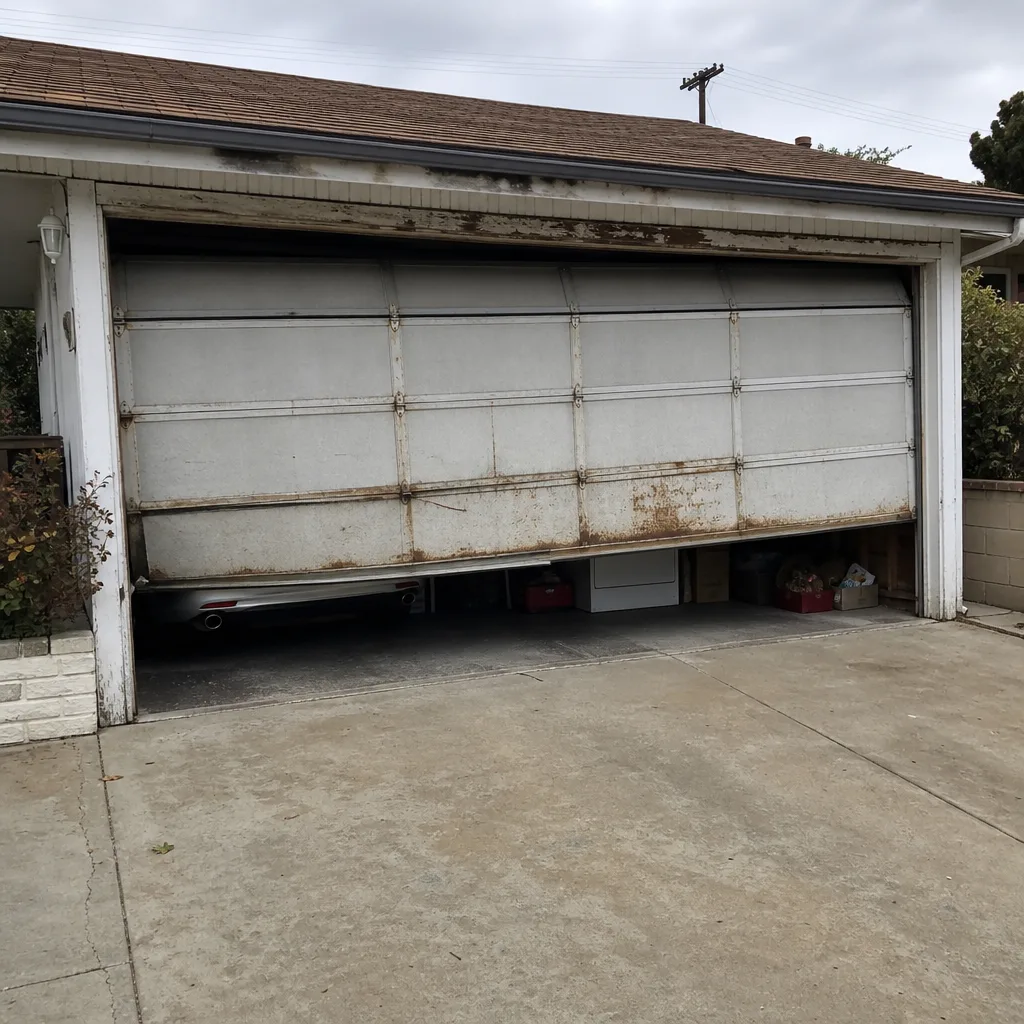
See the difference
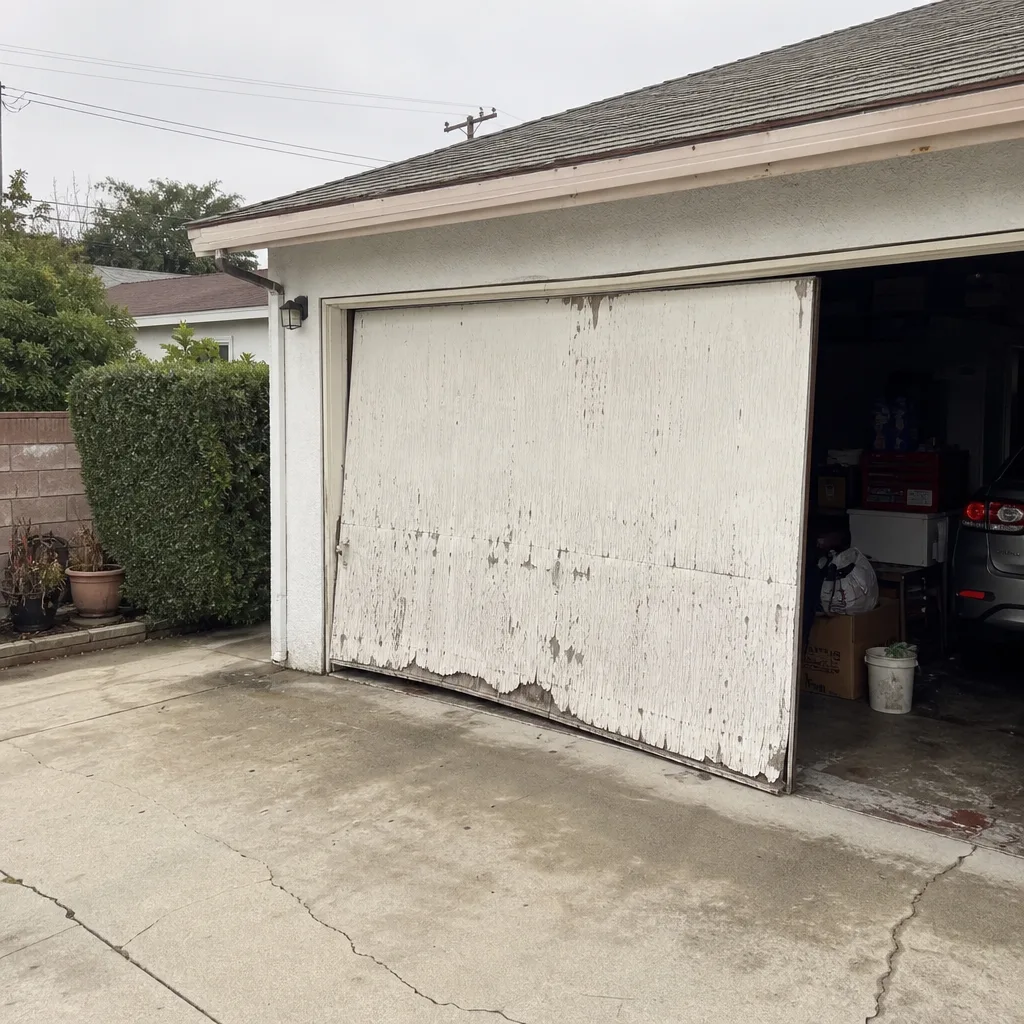 Before
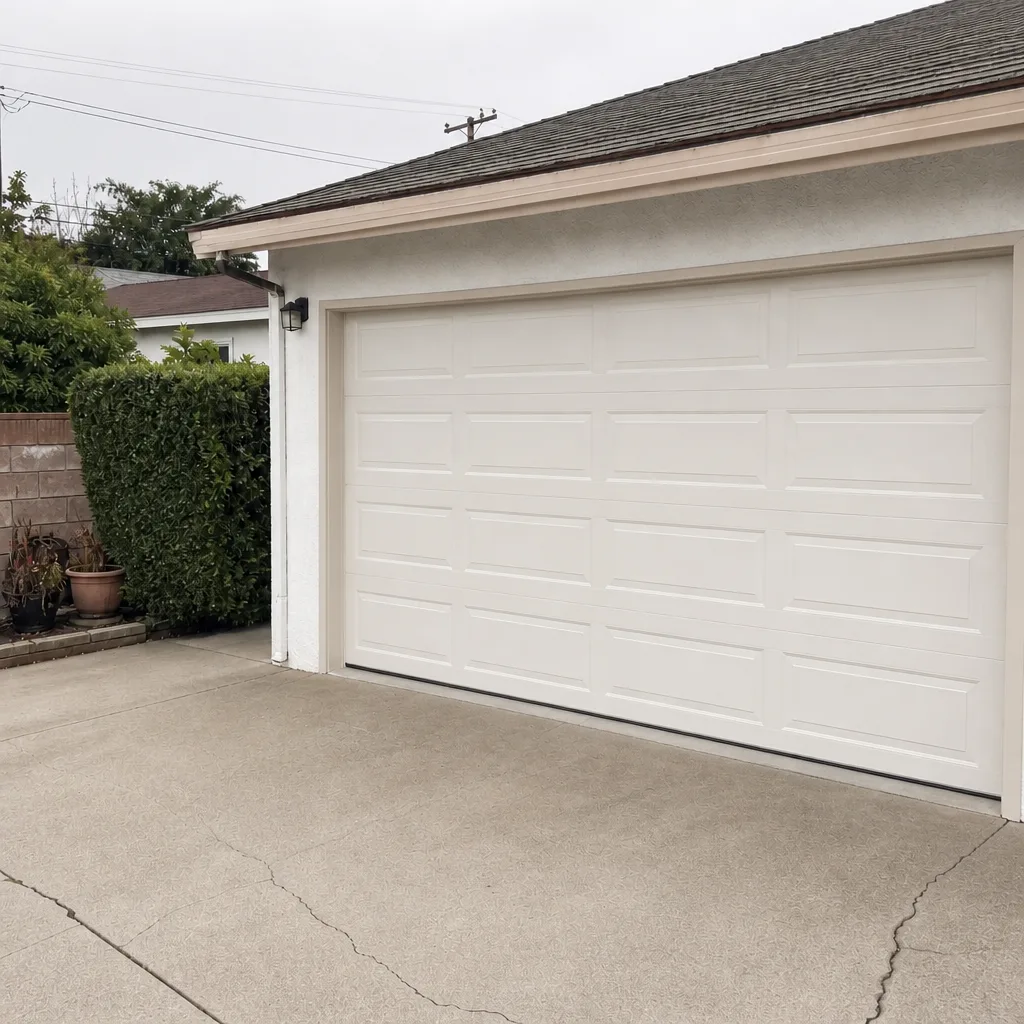 After
 Before
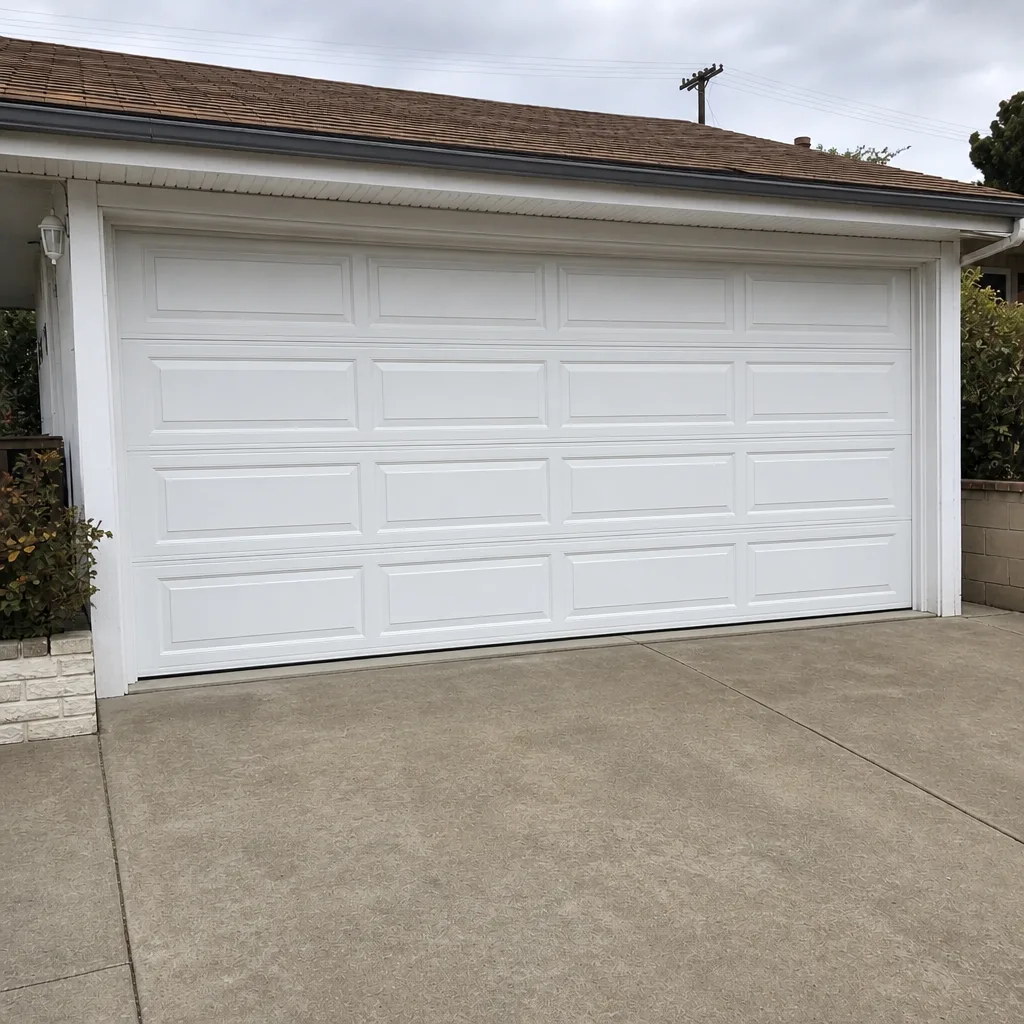 After
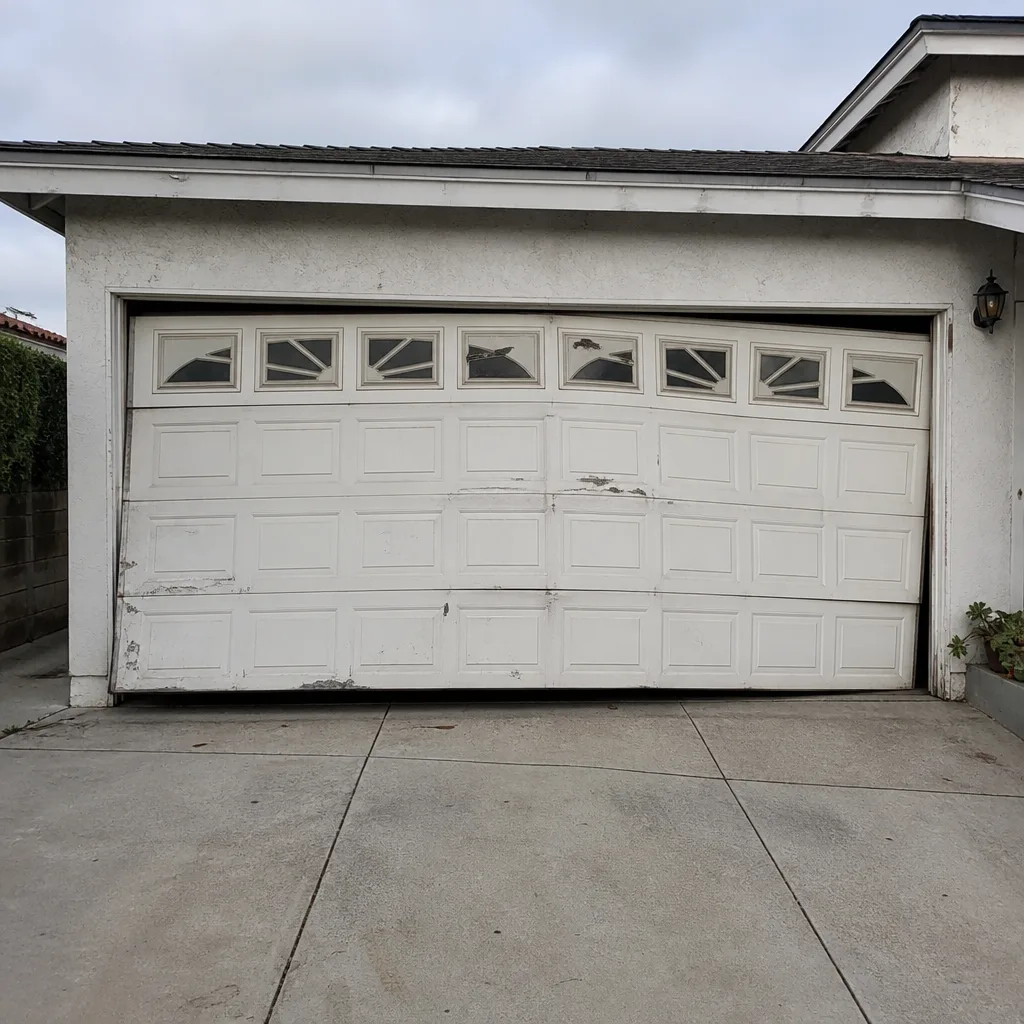 Before
 After
Frequently Asked Questions
A single spring replacement in Monterey Park typically runs $180 to $340 depending on the spring size and cycle rating. Most doors have a pair of springs, and we recommend replacing both when one fails, so a matched pair typically runs roughly twice that. Spring jobs are quoted up front, before any work starts, and the written estimate is the price.
We answer 24/7 and fast dispatch runs from 7am to 7pm, Sunday through Friday. If the parts for your specific door are already on our truck, we can often complete a repair the same day. Call (844) 972-4229 and describe the problem; we will tell you honestly what the timing looks like.
A popping sound from the garage door means spring tension is releasing in small amounts, which signals internal coil binding or an anchor point shifting. Stop using the door and call for inspection that day. A popping spring can fail suddenly and the door can drop.
We service eight of the most widely installed garage door and opener brands in North America, including LiftMaster, Chamberlain, Genie, Clopay, Amarr, Wayne Dalton, Craftsman, and Raynor. If your door or opener is from one of those manufacturers, we already know its hardware patterns and wear points.
Torsion springs are rated by cycles, not years. A standard spring rated for 10,000 cycles, used four times a day, lasts roughly seven years; a higher-cycle spring rated for 25,000 cycles lasts much longer. In Monterey Park, where garage doors are often the primary entrance to the home, daily use is higher than average, so standard springs wear out faster than homeowners expect.
The price we quote is the price you pay, set by written estimate before any work begins. We diagnose the full system, explain what needs attention and what does not, and you approve the work before a single part comes off the truck. There are no fees for the estimate.
The Bottom Line
Your garage door speaks in specific sounds and shows specific visual warning signs, and each one points to a particular component. Grinding is rollers. Scraping is track clearance. Popping is spring tension. Frayed cables are an emergency. A slow-close door is a spring failure in progress, not a personality trait. Learning this vocabulary is the difference between a minor repair and a major one, and between a safe garage and a sudden drop. Stonegate Garage Door Repair serves Monterey Park with full-system diagnosis, from the springs to the opener to the panels. We answer 24/7. Fast dispatch from 7am to 7pm, Sunday through Friday. Call (844) 972-4229 for a free estimate.
Written by the team at Stonegate Garage Door Repair, serving Monterey Park since 2012.